
Soups & Stews
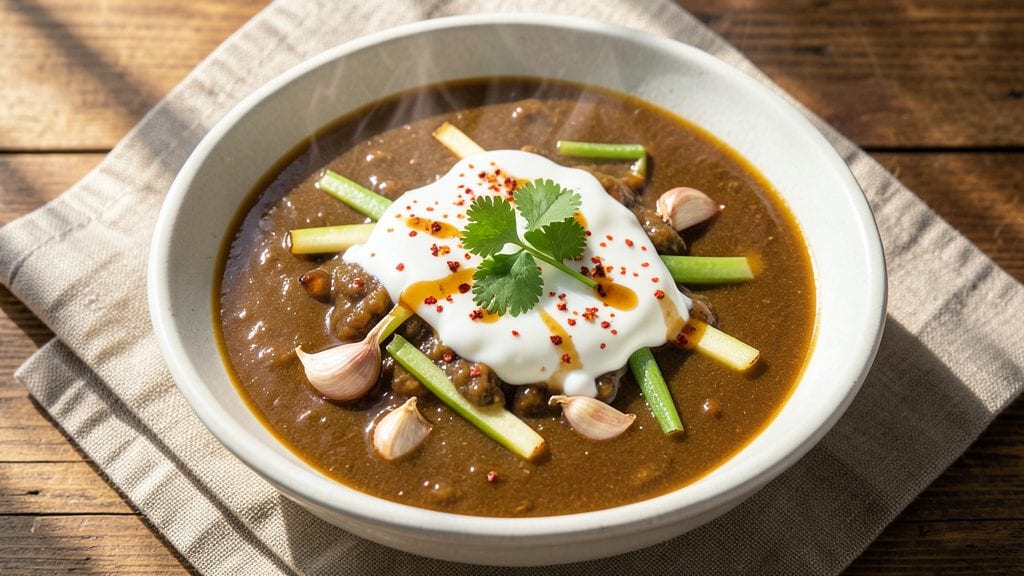
Creating a tamarind soup base recipe unlocks the umami-rich fermented depth that elevates soups, stews, and sauces to restaurant-quality levels. The tangy-sweet complexity of tamarind transforms simple broths into something extraordinary—something I discovered while adapting Southeast Asian flavors to my Boston kitchen.
This base builds flavor through careful simmering, where spices like garlic, ginger, and chili meld into a harmonious balance that lingers on the palate.
The beauty of this tamarind soup base lies in its versatility—just 15 minutes of active prep yields a concentrated paste or liquid that can be thinned with water for soups or reduced further for sauces.
The key is simmering until the tamarind's natural sweetness caramelizes slightly, deepening its umami profile without overpowering the dish. Strain out the pulp for a silky texture, or leave it in for rustic depth, depending on your preference.
What you'll achieve is a foolproof foundation that transforms ordinary broths into something vibrant and complex. This base works equally well in spicy tom yum-inspired soups, rich coconut curries, or even as a glaze for grilled meats.
The best part? It stores beautifully in the refrigerator for up to a week or can be frozen for months, making it a pantry essential for home cooks.
Whether you're preparing a quick weeknight meal or planning an elaborate dinner, this tamarind soup base delivers professional results with minimal effort. Let's create something that will make your kitchen smell like a bustling street market in Bangkok—without leaving your stove.
Ingredients for tamarind soup base
Tamarind's tangy depth meets aromatic spices here—just ten ingredients for restaurant-quality flavor.
| Ingredient | Amount | Notes |
|---|---|---|
| Tamarind Paste 🌶️ | ½ cup | High-quality, no additives |
| Fresh Garlic Cloves 🧄 | 6 cloves | Peeled, lightly crushed |
| Fresh Ginger 🌿 | 2 tbsp | Finely grated, aromatic |
| Dried Chili Flakes 🔥 | 1 tbsp | Adjust for heat preference |
| Coconut Milk 🥥 | ¼ cup | Full-fat for creaminess |
| Fish Sauce 🐟 | 1 tbsp | Red Boat preferred |
| Brown Sugar 🍯 | 2 tbsp | Light or dark variety |
| Extra-Virgin Olive Oil 🫒 | 1 tbsp | For heat, not flavor |
| Lime Juice 🍋 | 1 tbsp | Freshly squeezed |
| Water 💧 | 1 cup | Filtered preferred |
The tamarind paste is non-negotiable—Thai Kitchen brand or Trader Joe's are my go-tos, but any block tamarind works if you can find it. Fresh ginger and garlic need to be vibrant: bright green ginger with no soft spots and firm, unspotted garlic cloves. The chili flakes should be deep red, not dusty. For fish sauce, Red Boat is worth the splurge—it has that perfect umami punch without overpowering. Coconut milk? Full-fat only—the creaminess balances the tang perfectly. I always buy extra tamarind paste because it keeps for up to a year in the pantry once opened.
No tamarind paste? Substitute 1 tbsp lime juice plus 1 tbsp honey, but you'll lose that deep fermented complexity. Short on coconut milk? Heavy cream at half the amount works in a pinch, though it won't be as rich. The fish sauce can be swapped for soy sauce at double the amount, but you'll lose that briny depth. For heat, fresh red chili or sambal oelek can replace the flakes—just start with half and adjust. The brown sugar adds balance, but if you're avoiding it, maple syrup works 1:1. Always taste as you go—this base is all about harmony, not exact measurements.
This base keeps for up to a week in the fridge, sealed tightly in a jar. For long-term storage, freeze in ice cube trays—perfect for single-use portions. The flavor actually improves over time as the tamarind's tang develops. I make a double batch every time because it's so versatile—pairs perfectly with tom yum soup, curries, or grilled meats. Just remember: the longer it simmers, the deeper the flavor, but don't let it boil hard or it'll separate.
Why You'll Love This Recipe
- Here’s what sold me: that first sip where the tamarind’s deep sourness meets the creamy coconut milk, then bam—the garlic and ginger hit like a warm hug. It’s the kind of balance that makes you pause mid-slurp, thinking, “Wait, is this actually this good?” (Yes. It is.)
- I’ll be real: I make this on Sundays just so I can reheat it all week. The coconut milk keeps it rich without curdling, and the tamarind’s acidity means it doesn’t taste stale. Plus, it’s cheap—a jar of paste and a can of coconut milk stretch forever. My wallet and my freezer thank me.
Step-by-step instructions for tamarind soup base
This umami-rich foundation comes together in minutes with precise technique and bold flavors.
Bloom the Tamarind Paste
In a medium saucepan, combine the 0.5 cup tamarind paste with the 1 cup water over medium heat. Stir constantly for 3-4 minutes until the mixture smooths completely and reaches a gentle simmer. The tamarind's natural tang will dissolve into the water, creating a thick, syrupy base. Here's the thing—don't rush this step. You're building the flavor foundation, and proper dissolution ensures no grainy texture remains.
Once fully incorporated, the mixture should coat the back of a spoon with a glossy sheen. If you notice any stringiness, strain through a fine-mesh sieve into a clean saucepan. This ensures your final soup base has a velvety texture rather than any fibrous elements. Keep the heat at a gentle simmer—you're not trying to reduce yet, just create a smooth working base.
Develop the Aromatic Base
With the tamarind mixture simmering gently, add the 1 tablespoon extra-virgin olive oil and 1 tablespoon dried chili flakes. Stir to distribute evenly, then add the 6 cloves fresh garlic cloves and 2 tablespoons fresh ginger. Watch closely as the aromatics begin to release their oils—you'll see the garlic soften and the ginger become translucent.
Simmer for 4-5 minutes until the garlic turns golden and the mixture develops a deep, complex aroma. The chili flakes should infuse their heat without burning. Here's where it gets fun—the ginger will release its aromatic oils, creating that signature warmth that balances the tamarind's sour notes. If you notice the garlic browning too quickly, reduce the heat slightly to maintain even cooking without burning.
Build Depth with Fish Sauce and Sweetness
Add the 1 tablespoon fish sauce and 2 tablespoons brown sugar to the simmering base. Stir vigorously for 1-2 minutes until the sugar fully dissolves and the fish sauce integrates completely. The mixture should transform from a simple aromatic blend to a complex umami-rich broth. Here's the moment that matters: taste as you stir. You're looking for a balance where the tamarind's sourness is complemented by the fish sauce's saltiness and the brown sugar's caramel notes.
Continue simmering for another 3-4 minutes until the flavors meld together. The brown sugar should caramelize slightly, adding another layer of depth. If you're concerned about the mixture becoming too thick, add 1-2 tablespoons water to maintain the proper consistency for your final application. The base should coat a spoon but still be pourable—this ensures it works as both a soup foundation and a sauce.
Finish with Coconut Milk and Lime
Reduce the heat to low and stir in the 0.25 cup coconut milk. Let it warm through for 1 minute, then add the 1 tablespoon lime juice. The coconut milk will create a luxurious creaminess that balances the tamarind's intensity. The lime juice serves two purposes: it brightens the entire base with acidity and prevents the coconut milk from curdling.
Simmer gently for another 2 minutes to fully integrate all components. The final mixture should be smooth, aromatic, and perfectly balanced—sour, sweet, salty, and umami all in one. Here's the thing about tamarind bases: they're incredibly versatile. This mixture works as a soup base, a dipping sauce, or even a marinade. For immediate use, keep it warm over low heat. For storage, let it cool completely before transferring to an airtight container in the refrigerator for up to 5 days.
Pro Tips For Making Tamarind Soup Base
- Bloom the Tamarind First: I used to toss the tamarind paste straight in and wonder why the soup tasted underwhelming. Instead, dissolve 1 tablespoon of paste in ½ cup hot water first—let it sit for 5 minutes. The acidity will soften and deepen, giving you that rich, balanced tang without bitterness. (Yes, even if you're impatient like me.)
- Mince Ginger Like You Mean It: Skip the food processor here—fresh ginger needs to be finely minced, not chopped, for this soup. Use a sharp knife and work in stages: grate it first, then finely dice. Too many big pieces means you’ll taste them lingering like a bad aftertaste. (Pro move: Zest the surface too—it adds aroma without overpowering.)
- Toast the Chili Flakes: Dry-toast your chili flakes in a small pan over medium-low heat for 30 seconds before adding them to the oil. This removes their raw edge and intensifies the smoky depth. I learned this the hard way—skipping it leaves the heat sharp instead of layered. (If you’re using fresh chilies, blister them whole first for even better results.)
- Stir in Coconut Milk Last: Add coconut milk when the base is fully cooked and off the heat, or you’ll end up with a split sauce. Whisk it in gently, then let the soup sit for 2 minutes before serving. This lets the flavors meld without curdling. (Bonus: If you’re using canned coconut milk, shake the can first—settled cream means uneven texture.)
Flavor customization for tamarind soup base
Spicy Heat Boost
For a fiery kick, increase the dried chili flakes to 2 tablespoons and add 1-2 slices of fresh red chili (seeds in for maximum heat). Simmer the chili with the tamarind base for an extra 2 minutes to let the capsaicin fully infuse.
I love this version in tom yum soup—it cuts through the coconut milk beautifully. 🌶️
For a smoky twist, swap ½ tablespoon of the chili flakes for ½ teaspoon smoked paprika and add 1 teaspoon of liquid smoke at the end.
This works amazingly as a glaze for grilled shrimp skewers or tofu. Just remember: liquid smoke is potent, so start with less and adjust.
Sweet & Creamy Adaptation
Reduce the brown sugar to 1 tablespoon and add 1 tablespoon of honey or maple syrup for a more delicate sweetness. Stir in ¼ cup coconut cream (the thick part from a can of coconut milk) for extra richness.
This version pairs perfectly with coconut curry or as a dipping sauce for spring rolls. The coconut cream adds a velvety texture that balances the tamarind's tang.
For a dessert-friendly version, reduce the fish sauce to ½ tablespoon and add ½ teaspoon of vanilla extract along with 1 tablespoon of orange zest. Simmer for an extra 1 minute to let the vanilla bloom.
This sweet-tart base works beautifully in mango smoothies or as a glaze for baked apples. Trust me, it’s a game-changer for breakfast bowls.
Herbal & Citrus Infusion
Add 2 sprigs of fresh lemongrass (bruised) and 1 kaffir lime leaf (torn) while simmering the base. Remove them before straining, but their oils will infuse the mixture with bright, citrusy notes.
This version is perfect for Vietnamese pho or Thai green curry. The lemongrass adds a floral depth that complements the tamarind beautifully. 🍋
For a more herbal profile, stir in 1 tablespoon of fresh cilantro stems (not leaves—those are for garnish!) and 1 teaspoon of coriander seeds (toasted and ground). This earthy twist works well in lentil soups or as a marinade for grilled chicken.
The cilantro stems add a subtle, aromatic complexity that rounds out the tamarind’s sharpness.
Umami-Packed Variations
Boost the umami by adding 1 tablespoon of soy sauce (or ½ tablespoon of miso paste for depth) along with the fish sauce. This version is ideal for ramen broth or as a base for miso-glazed salmon.
The miso adds a fermented richness that pairs exceptionally well with the tamarind’s tang.
For a deeper savory profile, stir in 1 teaspoon of fish sauce concentrate (found in Asian markets) or ½ teaspoon of mushroom powder. This works like magic in seafood stews or as a dipping sauce for sushi rolls.
The mushroom powder adds an earthy, meaty depth that elevates the entire dish without overpowering it.
Nutrition facts
Frequently asked questions
Can I substitute tamarind paste with something else?
Yes! If you don't have tamarind paste, mix 1 tbsp lime juice with 1 tbsp honey for a similar tangy-sweet balance. For deeper complexity, try 1 tbsp date paste dissolved in warm water. The flavor won't be identical, but it works in a pinch for quick soups.
How long should I simmer the tamarind base?
Simmer for 12-15 minutes total—3-4 minutes to dissolve the tamarind, then 8-10 minutes with aromatics and seasonings. Longer simmering (up to 20 minutes) deepens the flavor but may reduce it too much. For soups, aim for 15 minutes total.
Can I make this base without coconut milk?
Replace the ¼ cup coconut milk with ¼ cup heavy cream or ½ cup vegetable broth for a lighter version. For extra richness, use 2 tbsp Greek yogurt (stirred in at the end). The creaminess will balance the tamarind's acidity differently but still work beautifully.
Why does my tamarind base look grainy?
Graininess usually means the tamarind paste didn't dissolve fully. Stir more vigorously over medium heat for 2-3 extra minutes, then strain through a fine-mesh sieve. For next time, use hot water instead of cold to help dissolve it faster.
How can I use this base in non-soup dishes?
This versatile base works as a marinade (for grilled chicken or tofu), dipping sauce (for spring rolls or dumplings), or glaze (for baked fish or pork). For marinades, reduce the fish sauce to ½ tbsp and add 1 tbsp honey. For glazes, simmer longer to thicken it.