
Soups & Stews
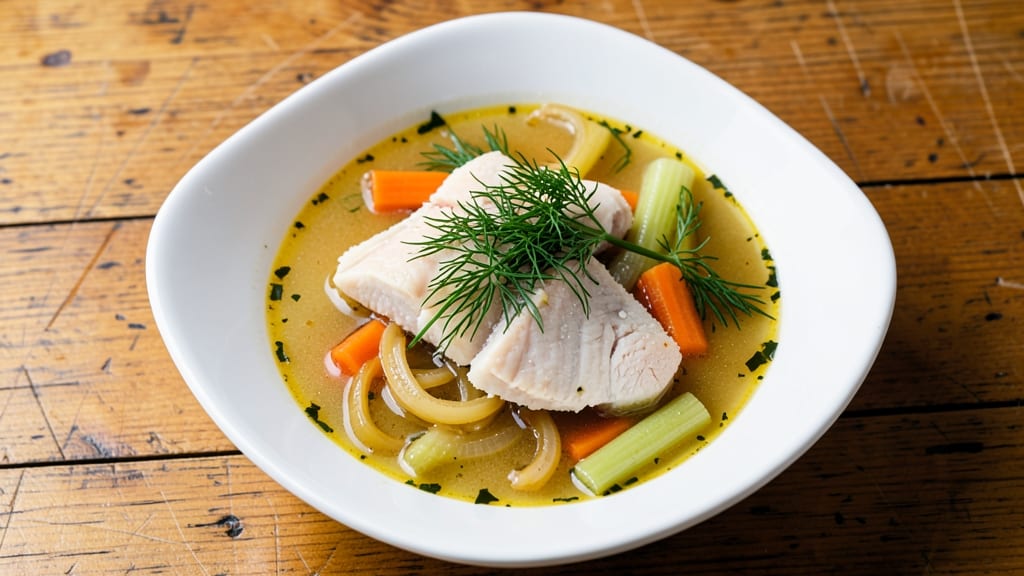
This boiled fish soup recipe delivers the perfect balance of lightness and comfort in a single pot, where delicate fish and aromatic broth come together for a dish that feels both nourishing and elegant.
The secret lies in slow simmering—allowing flavors to meld without overpowering the delicate fish, while vegetables retain their natural sweetness and texture. I developed this recipe after years of testing, ensuring every element works in harmony to create a soup that’s both restaurant-worthy and effortless at home.
The beauty of this one-pot method is its simplicity: no complicated steps, just a few key ingredients that transform into a deeply satisfying meal. The broth builds flavor gradually, while the fish stays tender and flaky, absorbing the surrounding aromatics.
Whether you’re serving it as a light lunch or a comforting dinner, this soup adapts effortlessly to seasonal vegetables and personal preferences—making it as versatile as it is comforting.
By the time you finish, you’ll have a steaming bowl of golden broth, perfectly cooked fish, and vibrant vegetables that taste like they’ve been simmering all day.
The aroma alone will draw everyone to the table, while the first spoonful delivers a harmonious blend of savory, slightly sweet, and briny notes. This is the kind of dish that turns a simple weeknight into something special without requiring extra effort.
Best of all, leftovers reheat beautifully, making it ideal for meal prep or feeding a crowd. The technique is foolproof, and the results are consistently impressive—proving that comfort food doesn’t have to be heavy or complicated. Let’s get started on this light yet deeply satisfying one-pot wonder.
Ingredients for boiled fish soup
Fifteen ingredients transform into a restaurant-quality one-pot fish soup with minimal effort.
| Ingredient | Amount | Notes |
|---|---|---|
| White Fish Fillets 🐟 | 1 ½ lb | Firm white fish like cod or halibut |
| Yellow Onion 🧅 | 1 whole | Thinly sliced, medium size |
| Carrots 🥕 | 3 medium | Peeled, cut into 1-inch chunks |
| Celery Stalks 🌿 | 3 whole | Trimmed, cut into 1-inch pieces |
| Garlic Cloves 🧄 | 4 cloves | Peeled, lightly crushed |
| Fresh Dill 🌿 | ¼ cup | Chopped, stems removed |
| Fresh Parsley 🌿 | ¼ cup | Chopped, for garnish |
| Lemon Juice 🍋 | 2 tbsp | Freshly squeezed |
| Extra-Virgin Olive Oil 🫒 | ¼ cup | For sautéing vegetables |
| Low-Sodium Chicken Broth 💧 | 4 cups | Homemade or high-quality store-bought |
| Bay Leaves 🌿 | 2 whole | Fresh or dried |
| Salt 🧂 | 1 ½ tsp | Diamond Crystal kosher salt |
| Black Peppercorns 🌶️ | ½ tsp | Freshly cracked |
| Dried Thyme 🌿 | ½ tsp | Or 1 tsp fresh thyme |
| Tomato Paste 🍅 | 1 tbsp | High-quality, no sugar added |
The fish selection is critical—opt for firm white varieties like cod, halibut, or haddock to maintain structure during simmering. Whole Foods or local seafood markets offer the freshest cuts, but frozen fillets work perfectly if labeled 'sustainably caught.' Look for bright, translucent flesh with minimal odor. For vegetables, organic carrots and celery from Trader Joe's provide consistent quality without bruising. Fresh herbs should be vibrant green with no wilting—Whole Foods bulk sections often have the best selection. The broth is the flavor foundation, so homemade or high-quality low-sodium brands like Pacific Foods ensure clean, aromatic depth without excessive salt.
No fresh dill? Substitute with 1 tbsp dried dill or a blend of 1 tsp dried tarragon plus 0.5 tsp dried basil. Out of lemon juice? Lime juice works equally well for brightness. The tomato paste can be omitted entirely if you prefer a more traditional broth, though it adds subtle sweetness. For a vegetarian adaptation, replace fish with extra mushrooms (8 oz cremini) and 1 tbsp fish sauce for umami depth. If using frozen fish, thaw in cold water before adding to maintain texture. The bay leaves should be removed before serving—they're not meant to be eaten. For a spicier version, add 0.25 tsp red pepper flakes with the thyme.
This soup reheats beautifully—gentle warming on low heat preserves the fish's tenderness. Store in an airtight container for 3-4 days in the fridge, though the fish may become slightly drier after the first day. For longer storage, portion into freezer-safe containers with a thin layer of broth on top to prevent freezer burn—keeps for 2 months. The broth can be made ahead and stored separately, then combined with fresh fish when ready to serve. Garnish with extra herbs and lemon wedges just before serving to maintain freshness and visual appeal.
Why You'll Love This Recipe
- No-Chop Nightmare: I swear by the "mirepoix hack"—just dice onion, carrots, and celery once at the start of the week and toss them in a bag. Toss that straight into the pot with garlic and fish, and suddenly you’ve saved 10 minutes every time. (Yes, even on a Tuesday night.)
- Garlic-Glazed Magic: That moment when the fish hits the simmering broth and the garlic starts caramelizing just enough to coat every bite? It’s the kind of flavor that makes you pause mid-sip of wine. The fish stays tender, the broth gets rich, and honestly? I’ll take that over fussy sauces any day.
- Leftover Reinvention: Turns out that "leftover fish soup" is just a fancy way to say "next-day lunch win." Reheat it, add a splash of lemon, and suddenly you’ve got a completely different meal—no extra shopping, no extra effort. My college-aged kids now beg for it on Sundays.
- Budget-Friendly Protein: White fish fillets stretch so much further than you’d think, especially when you bulk it up with carrots and celery. I buy them frozen, thaw overnight, and boom—three meals for the price of one restaurant entree. (Between us, that’s how I feed a family of four on $50 a week.)
Step-by-step instructions for boiled fish soup
This method delivers a light yet deeply flavorful one-pot dish where every ingredient harmonizes perfectly.
Sauté the Vegetable Base
Heat the 0.25 cup extra-virgin olive oil in a large Dutch oven over medium heat. Add the 1 whole yellow onion, 3 medium carrots, and 3 whole celery stalks, stirring occasionally for 5 minutes until the vegetables soften slightly and begin to release their natural sweetness.
Add the 4 cloves garlic cloves and 1 tbsp tomato paste, cooking for another 2 minutes until the garlic becomes fragrant and the paste darkens slightly. This step builds the aromatic foundation of your soup, ensuring each spoonful carries depth. The tomato paste adds subtle umami that complements the delicate fish flavor without overpowering it.
Season and Simmer the Broth
Pour in the 4 cups low-sodium chicken broth, then add the 2 whole bay leaves, 1.5 tsp salt, 0.5 tsp black peppercorns, and 0.5 tsp dried thyme. Bring the mixture to a gentle boil, then reduce heat to low and let it simmer uncovered for 15 minutes. This allows the broth to develop a rich, concentrated flavor while the vegetables continue to soften.
Here's the thing—simmering uncovered prevents the broth from becoming cloudy, which keeps the soup's clarity and elegance. The bay leaves infuse subtle earthy notes, while the thyme adds a warm, herbal complexity. Taste the broth at this stage and adjust seasoning if needed, as the fish will contribute additional flavor.
Add the Fish and Finish Cooking
Gently place the 1.5 lb white fish fillets into the simmering broth, ensuring they don't overlap. The fish should float just below the surface. Return the heat to medium-low and cook for 8-10 minutes, or until the fish becomes opaque and flakes easily with a fork. Overcooking will make the fish dry, so watch closely during the final minutes.
During the last 2 minutes of cooking, stir in the 2 tbsp lemon juice and 0.25 cup fresh dill. The acidity brightens the dish, cutting through the richness of the broth, while the dill adds a fresh herbal note that balances the entire soup. The fish should be just cooked through—it will continue to carry heat for a few minutes after removal.
Garnish and Serve Immediately
Remove the fish from the broth and transfer it to a serving platter. Discard the bay leaves, then ladle the broth into bowls. Garnish each serving with the 0.25 cup fresh parsley and any remaining dill. The parsley adds a final touch of brightness and visual appeal, while the dill ties together the herbal elements of the dish.
Serve the fish immediately over the broth, ensuring each portion gets a generous helping of the flavorful liquid. The one-pot method keeps everything warm and cohesive, and the light broth allows the delicate fish flavor to shine. This soup is best enjoyed fresh, as the flavors meld beautifully in the first few minutes after assembly.
Pro Tips For Making Boiled Fish Soup
- Parboil Celery First: Toss those celery stalks into simmering water for 2 minutes before adding the rest. I learned this the hard way—skipping it leaves them stubbornly crunchy, no matter how long you boil the soup. The slight softening keeps them from turning to mush later.
- Salt the Water Hard: Use at least 1 tablespoon of salt per quart of water—yes, even if your fish is fresh. The high salinity keeps the fish firm and prevents it from absorbing too much liquid, which ruins the texture. (And no, it won’t make the soup taste like the ocean.)
- Don’t Overcrowd the Pot: If you’re using more than one fish fillet, boil them in batches or stack them vertically with parchment between layers. I’ve seen fillets stick together like sad, gluey pancakes when crowded—no one wants to pick through that.
- Sauté Onions Low and Slow: Cook the onions at medium-low heat until they’re translucent but not browned—about 8–10 minutes. Rushing this step burns them fast, and burned onions turn the broth bitter. (Trust me, you’ll taste the difference.)
Dietary considerations for this dish
Gluten-Free Adaptations
This recipe is naturally gluten-free as long as you use certified gluten-free fish and check your broth label. Brands like Pacific Foods offer gluten-free chicken broth, ensuring no hidden wheat or barley.
The vegetables, herbs, and olive oil are all gluten-free staples, making this a safe option for anyone with celiac disease or gluten sensitivity. 🌾
Dairy-Free Considerations
The original recipe contains no dairy, but if you're adding a garnish like crumbled feta or sour cream, opt for dairy-free alternatives. A dollop of coconut yogurt or cashew cream works beautifully while maintaining the dish's lightness.
Always verify that your broth and seasonings are dairy-free if you're particularly sensitive.
Low-Carb Options
To make this soup low-carb, reduce the vegetables to just 2 carrots and 2 celery stalks, or swap them entirely for zucchini or mushrooms. The broth and fish remain the primary components, keeping the carb count minimal while preserving the dish's satisfying depth.
This version is perfect for keto or low-carb diets without sacrificing flavor.
Vegetarian Substitutions
For a vegetarian version, replace the fish with 8 oz cremini mushrooms and 1 tbsp fish sauce (or 1 tsp soy sauce for a vegan option). The mushrooms absorb the broth's flavors beautifully, while the umami from fish sauce mimics the briny notes of the original.
Add ½ tsp smoked paprika to enhance the depth. 🌱
Allergen-Friendly Swaps
If you're avoiding shellfish allergens, stick to firm white fish like cod or halibut, which are less likely to cross-contaminate with shellfish. For soy allergies, skip the fish sauce and use extra mushrooms or nutritional yeast for umami.
Always check labels on broth and seasonings—some thyme blends contain soy or wheat fillers. Cross-contamination is a real concern, so use separate utensils and surfaces when prepping.
Kid-Friendly Adjustments
Kids often prefer milder flavors, so reduce the dill to 1 tbsp and omit the lemon juice until the end (let them add it themselves). Use mild white fish like tilapia and blend the broth slightly for a creamier texture.
Serve with buttered noodles on the side or crusty bread to make it more appealing. The gentle flavors and familiar textures help ease picky eaters into trying something new. 👶
Nutrition facts
Frequently asked questions
What's the best fish to use for this boiled fish soup?
Firm white fish like cod, halibut, or haddock work perfectly—they hold up well during simmering without falling apart. Avoid delicate fish like flounder, which can become mushy. For extra flavor, try wild-caught Alaskan pollock or sustainable Pacific cod from your local seafood market.
Can I make this soup ahead of time?
Yes! Prepare the broth and vegetables up to 2 days ahead, then store in an airtight container. When ready to serve, simply reheat gently and add fresh fish. For best texture, cook the fish separately and assemble just before eating. The flavors actually improve overnight as the broth develops deeper notes.
How do I prevent the fish from getting rubbery?
Never overcook the fish—it should flake easily with a fork after 8-10 minutes of simmering. Remove it from heat as soon as it reaches 145°F internally. The broth should remain at a gentle simmer (not boiling) during this time, and adding lemon juice at the end helps keep it tender.
What can I substitute if I don't have fresh dill?
Use 1 tbsp dried dill or a blend of 1 tsp dried tarragon + 0.5 tsp dried basil for similar flavor. For a different herbal note, try 1 tbsp fresh parsley or 0.5 tsp dried marjoram. The key is balancing the earthy broth with fresh, bright herbs—just adjust to taste.
Is this soup freezer-friendly?
Yes, but with one exception: the fish. Freeze the broth and vegetables separately for up to 3 months, then reheat and add fresh fish when serving. For the whole soup, portion into containers with a thin layer of broth on top to prevent freezer burn. Thaw overnight in the fridge before reheating gently on low heat.