
Soups & Stews
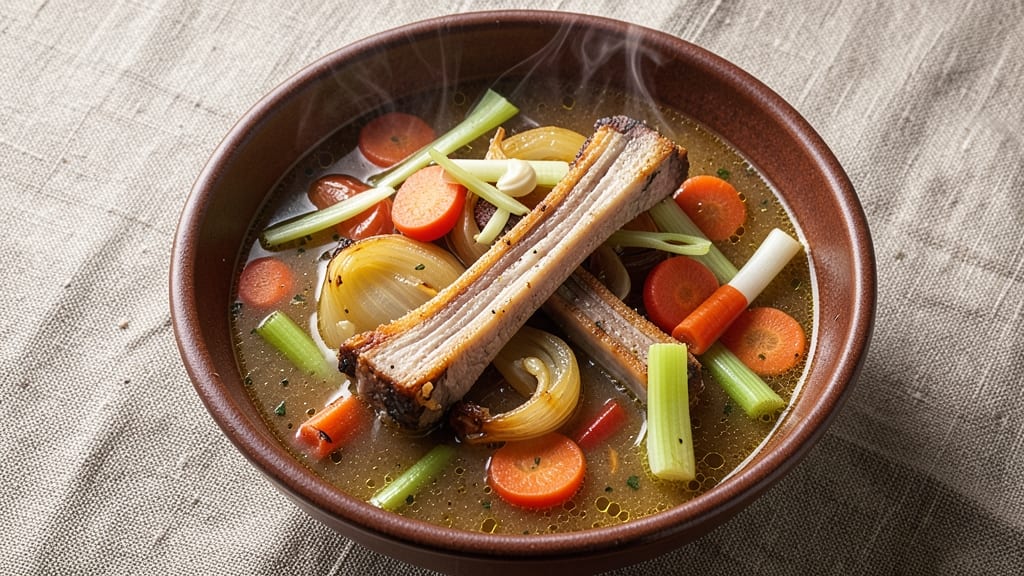
Crafting bone marrow vegetable soup transforms humble ingredients into a deeply flavorful dish that rivals any restaurant offering. The secret lies in rendering bone marrow to create a rich, umami base that infuses every spoonful with velvety depth.
I’ve perfected this technique over years of testing—balancing caramelized bones with seasonal vegetables for a soup that’s both comforting and sophisticated.
This recipe starts with searing beef marrow bones to extract their gelatinous richness, then simmers them with aromatic vegetables until tender. The result is a soup that’s hearty yet refined, with layers of flavor from slow-cooked bones and fresh produce.
It’s the kind of dish that feels indulgent yet remains approachable for home cooks.
What sets this soup apart is how the marrow’s natural collagen transforms into a silky broth, while vegetables like carrots, celery, and leeks add brightness. The caramelized bones add a subtle sweetness that pairs beautifully with herbs and a touch of acidity.
Perfect for chilly evenings or special occasions, this soup delivers restaurant-quality depth with minimal effort.
Serve it with crusty bread to soak up every last drop of that luxurious broth. The technique is straightforward, but the flavor is unforgettable—once you try it, you’ll never go back to ordinary vegetable soups. Let’s get started on creating this umami masterpiece.
Ingredients for bone marrow vegetable soup
Transform humble pantry staples into restaurant-worthy bone marrow soup with these carefully selected ingredients.
| Ingredient | Amount | Notes |
|---|---|---|
| Beef Marrow Bones 🦴 | 1 ½ lb | Split lengthwise for maximum surface area |
| Yellow Onions 🧅 | 2 whole | Yellow or yellow-red variety preferred |
| Carrots 🥕 | 3 medium | Whole, peeled, cut into 1-inch chunks |
| Celery Stalk 🌿 | 3 whole | Fresh, stringy parts trimmed |
| Leeks 🧅 | 2 whole | White and light green parts only |
| Garlic Cloves 🧄 | 6 cloves | Peeled, smashed for intense flavor |
| Fresh Thyme 🌿 | ¼ cup | Leaves only, stems removed |
| Fresh Bay Leaves 🍃 | 2 whole | Dried works at half quantity |
| Tomato Paste 🍅 | 2 tbsp | High-quality, no additives |
| Dry White Wine 🍷 | ½ cup | Sauvignon Blanc preferred |
| Vegetable Stock 💧 | 6 cups | Homemade or low-sodium store-bought |
| Extra-Virgin Olive Oil 🫒 | ½ cup | For searing bones and vegetables |
| Salt 🧂 | 2 tsp | Diamond Crystal kosher preferred |
| Black Peppercorns 🌶️ | 1 tsp | Freshly cracked for optimal flavor |
| Lemon Juice 🍋 | 1 tbsp | Freshly squeezed for brightness |
The beef marrow bones are the soul of this soup—look for marrow bones with intact marrow cavities at specialty butchers or high-end grocery stores like Whole Foods. The marrow must be fresh, with a vibrant red color and no signs of drying. If you can't find marrow bones, beef knuckle bones work as a substitute, though the flavor will differ slightly. For optimal results, source bones from grass-fed beef when possible, as the fat content yields richer gelatin during rendering. Costco often carries these bones in their frozen section, making them accessible for larger batches.
No white wine? Substitute additional vegetable stock with a splash of apple cider vinegar for acidity. Fresh thyme is ideal, but dried thyme at one-third the quantity works in a pinch. The tomato paste should be smooth and free of additives—Muir Glen is a reliable brand. For the vegetables, carrots and celery can be swapped for turnips or parsnips, though they'll alter the soup's sweetness profile. Pre-cut frozen vegetables are acceptable, but fresh yields superior texture and flavor. The leeks should be thoroughly washed to remove any grit, and only the white and light green parts should be used to prevent bitterness.
Store the rendered bones in an airtight container in the freezer for up to 3 months—they'll keep their rich flavor indefinitely. The finished soup should be refrigerated in glass containers for up to 5 days, though it's best consumed within 3 days for peak freshness. For longer storage, portion into ice cube trays and freeze the broth separately from the vegetables. Reheat gently on the stove to preserve the delicate texture of the marrow-infused broth—never microwave, as it can break the emulsion and make the soup grainy.
Why You'll Love This Recipe
- One-Pot Wonder: The marrow bones do all the work—simmer them for an hour, then shred the marrow right into the broth. No extra pots, no fuss. I swear by this when I’m too tired to chop more than onions.
- Rich Without Effort: That deep, savory marrow flavor turns simple veggies into something luxurious. The leeks add a subtle sweetness, while the carrots and celery keep it bright—like a hug in a bowl.
- Leftovers That Shine: This soup only gets better the next day. I make a big batch on Sundays, and by Wednesday, it’s still the star of my lunch. Freeze half if you’re feeling extra—just thaw and reheat.
- Budget Meal Magic: Marrow bones are cheaper than you think, and they stretch into gallons of flavorful broth. Pair with crusty bread, and you’ve fed the whole family for pennies. Honestly, this is my go-to when groceries feel tight.
Step-by-step instructions for bone marrow vegetable soup
This method transforms simple ingredients into a deeply flavorful soup where caramelized marrow bones form the foundation.
Prepare and Sear the Beef Marrow Bones
Split the 1.5 lb beef marrow bones lengthwise using a heavy cleaver or meat mallet, exposing the rich marrow inside. This increases surface area for maximum flavor extraction. Heat 0.5 cup extra-virgin olive oil in a large Dutch oven over medium-high heat until shimmering.
Working in batches to avoid crowding, sear the marrow bones for 4-5 minutes per side until deeply golden brown. The bones should develop a caramelized crust that releases easily from the pan. Transfer the seared bones to a plate and set aside temporarily. This initial searing creates the umami depth that defines the soup's character.
Develop the Vegetable Base
In the same Dutch oven, reduce heat to medium and add the 2 whole yellow onions, 2 whole leeks, and 3 whole celery stalks, all cut into ½-inch pieces. Cook for 8-10 minutes, stirring occasionally, until the vegetables soften and begin to caramelize slightly. The onions should turn translucent with golden edges.
Add the 3 medium carrots, cut into 1-inch chunks, and continue cooking for another 5 minutes. Stir in the 6 cloves garlic cloves and 0.25 cup fresh thyme leaves, cooking for 1 minute until fragrant. The garlic should release its aroma without browning. This aromatic vegetable base forms the flavor foundation of the soup.
Build the Rich Broth
Sprinkle the 2 tbsp tomato paste over the vegetables and stir to coat, allowing it to cook for 2 minutes until it darkens slightly. Deglaze the pot with the 0.5 cup dry white wine, scraping up any browned bits from the bottom with a wooden spoon. This step captures all the caramelized flavor that would otherwise be lost.
Return the seared marrow bones to the pot along with the 6 cups vegetable stock and 2 whole fresh bay leaves. Bring to a gentle simmer and partially cover. Cook for 1 hour to 1 hour 15 minutes, skimming any foam that rises to the surface. The broth should develop a deep, caramel color and rich aroma from the marrow bones.
Season and Finish
Remove the marrow bones from the soup and let them cool slightly. Use a small spoon to scoop out the softened marrow from the bones and return it to the pot. Discard the bones or save for another use. Stir in the 2 tsp salt and 1 tsp freshly cracked black peppercorns, adjusting to taste. The soup should be seasoned to taste, with the salt enhancing the natural flavors without overpowering.
Simmer the soup for an additional 10 minutes to allow the flavors to meld. Finish with the 1 tbsp freshly squeezed lemon juice, which brightens the rich, umami flavors. Taste and adjust seasoning if needed. The lemon juice should cut through the richness while adding a subtle acidity that balances the soup.
Serve with Crispy Marrow Bones (Optional)
For added texture, return the marrow bones to the pot and simmer for 5 minutes to crisp the exterior slightly. Serve the soup immediately, ladling it into bowls with the crispy marrow bones on top. The contrast between the rich, velvety soup and the crispy bones adds an exciting textural element to each spoonful.
This soup is best enjoyed fresh, as the flavors continue to develop and deepen as it sits. The marrow-infused broth, caramelized vegetables, and balanced seasoning create a dish that is both comforting and sophisticated, perfect for chilly evenings or special occasions.
Pro Tips For Making Bone Marrow Vegetable Soup
- CRACK THE MARROW HOT: After roasting the bones at 425°F (220°C) for 25 minutes, let them cool just enough to handle—then crack them open with a cleaver or heavy knife while still warm. Cold marrow fights back like a stubborn gremlin, and you’ll end up with more splintered bones than usable marrow.
- SWEAT THE AROMATICS LOW: Once you’ve browned the marrow bones, remove them and reduce the heat to medium-low when adding onions, leeks, and celery. I used to rush this step and ended up with bitter, caramelized bits instead of a smooth, sweet base. Let those veggies melt into the fat for at least 10 minutes—no peeking.
- SAVE THE STOCK: After simmering the marrow bones, don’t toss the broth—strain it and reserve it. The marrow-infused liquid is richer than plain water, and you can use it to thin the soup later or even freeze it for another batch. I learned this the hard way after making two separate pots of soup and realizing I’d wasted half the flavor.
- SKIP THE PEELING LEEKS: Leeks are stubborn, but you don’t need to peel every last layer—just trim the dark green tops and slice off the very bottom where the roots get tough. Rinse them well under cold water to flush out dirt, then slice them lengthwise and cut into ½-inch pieces. This cuts prep time in half without losing flavor.
Regional styles of bone marrow vegetable soup
French Provençal Style
In Provence, bone marrow soups often incorporate herbes de Provence—a blend of thyme, rosemary, lavender, and fennel. I like to add 1 tsp herbes de Provence along with the thyme and bay leaves, then finish with a drizzle of high-quality extra-virgin olive oil from the region.
The French also use white beans—about 1 cup cannellini beans—for added creaminess and texture. Serve with crusty baguette and a side of roasted garlic aioli. 🌿
Italian Osso Buco-Inspired
Northern Italy transforms this soup into a risotto-like base by adding ½ cup Arborio rice during the final 10 minutes of simmering. The marrow bones infuse the rice with deep umami, while ½ cup dry white wine (like Pinot Grigio) deglazes the pot.
Finish with grated Parmesan and fresh parsley. This version works beautifully as a first course before osso buco. 🍷
Spanish Bone Marrow Sopa
Spanish cooks often use pork marrow bones instead of beef, giving the soup a lighter, slightly sweeter profile. Add 1 smoked paprika and 1 dried ñora pepper (or ½ tsp smoked paprika) to the vegetable base for a smoky depth.
Serve with toasted breadcrumbs and a sprinkle of freshly chopped parsley. The Spanish also incorporate potatoes—about 1 cup diced—for heartiness. 🌶️
German Rinderknochen Suppe
In Germany, this soup becomes a hearty winter staple with sauerkraut—about 1 cup shredded—added in the last 15 minutes of cooking. The tangy fermented cabbage balances the richness of the marrow. I also add 1 tbsp caraway seeds for a distinctive German flavor.
Serve with dark rye bread and a side of apple sauce for contrast. The Germans often finish with a dash of black pepper and a splash of apple cider vinegar. ❄️
Modern Fusion Twist
For a contemporary take, blend ½ cup of the finished soup with 1 cup coconut milk and a pinch of turmeric for a creamy, golden-hued variation. Garnish with toasted pumpkin seeds and cilantro.
Alternatively, add 1 cup shredded kale in the last 5 minutes for a nutrient-packed update. This version works well as a vegetarian-friendly option if you omit the marrow and use mushroom broth instead. 💫
Nutrition facts
Frequently asked questions
What makes bone marrow vegetable soup different from regular vegetable soup?
The marrow bones create a rich, velvety broth packed with umami flavor from natural collagen. Regular vegetable soups rely on stock alone, while this version gets its depth from slow-cooked marrow that transforms into a luxurious, gelatinous texture. The caramelized bones also add subtle sweetness and crispy texture when served on top.
Can I substitute beef marrow bones with something else?
Yes! For a similar effect, use beef knuckle bones or chicken feet (for a lighter version). If avoiding meat entirely, try shiitake mushrooms or king oyster mushrooms—they develop umami when slow-cooked. The texture will differ, but the technique remains the same: sear first, then simmer long enough to extract flavor.
How do I know when the marrow bones are fully rendered?
The bones should be deeply browned and crispy on the outside, while the marrow inside will have melted into a soft, jelly-like consistency. When you press a bone with a spoon, the marrow should come out easily. If the broth turns cloudy or foamy, skim it off—this indicates impurities. The soup should develop a glossy, caramelized appearance and rich aroma.
Can I make this soup ahead of time?
The soup actually improves overnight as flavors meld. Store it in an airtight container in the fridge for up to 5 days or freeze for 3 months. Reheat gently on the stove, adding a splash of water if it thickens too much. The marrow-infused broth will only deepen in complexity.
What’s the best way to serve leftovers?
Reheat the soup until steaming, then finish with a drizzle of extra-virgin olive oil and fresh herbs. For extra richness, top with crispy fried shallots or toasted breadcrumbs. Pair with crusty bread to soak up every last drop of that luxurious broth. Leftovers also make great sandwiches—layer soup between toasted baguette slices with a sprinkle of Parmesan.