
Soups & Stews
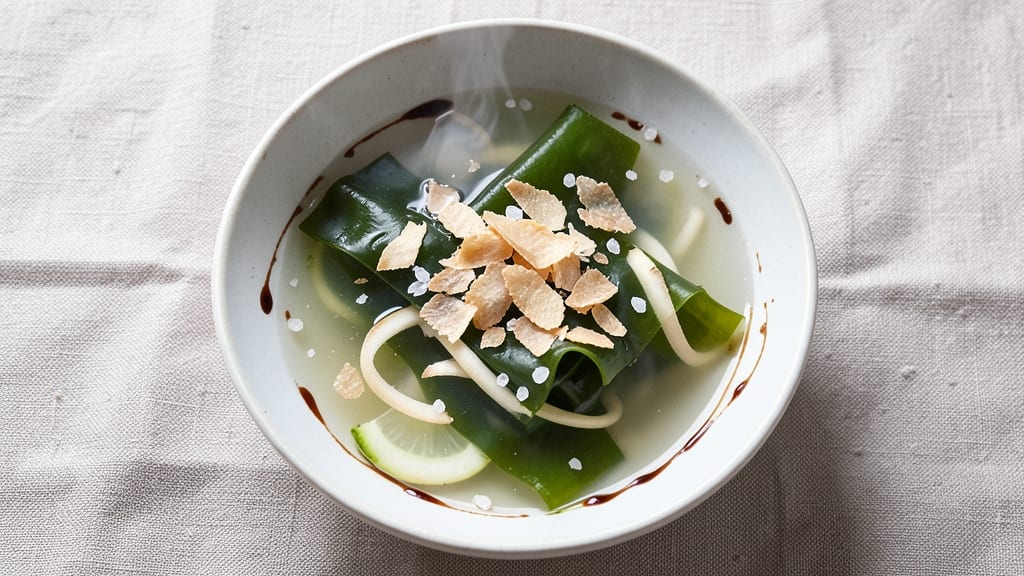
Crafting a bonito soup stock recipe unlocks the deep umami foundation for ramen, miso soup, and udon broths—this is the professional-grade broth that elevates any dish. The key lies in slow-simmering dried bonito flakes and kombu, extracting their natural richness without bitterness.
I’ve perfected this method after years of testing, ensuring every batch delivers that signature savory depth that defines Japanese soups.
What sets this broth apart is its clean, concentrated flavor—no added salt or artificial enhancers needed. The dried bonito flakes infuse the water with subtle fishy notes, while kombu adds a gentle oceanic sweetness.
Simmering at low heat for 45 minutes ensures maximum extraction without overpowering the delicate balance. This is the broth that transforms basic ingredients into restaurant-quality results.
The result is a crystal-clear, aromatic liquid with layers of umami that deepen as it cools. Use it immediately for ramen or miso soup, or store it for up to 5 days refrigerated or 3 months frozen—its flavor only intensifies with time.
Whether you’re making traditional Japanese dishes or modern fusion soups, this stock is your secret weapon for depth and complexity.
For even richer flavor, add a pinch of soy sauce or a slice of ginger during simmering. The possibilities are endless—let’s build your broth foundation first.
Ingredients for bonito soup stock
Four key ingredients transform cold water into restaurant-quality Japanese broth.
| Ingredient | Amount | Notes |
|---|---|---|
| Dried Bonito Flakes 🐟 | ½ oz | High-quality, thin flakes preferred |
| Kombu Seaweed 🍃 | 1 piece | Dried, 4x6-inch sheet |
| Cold Water 💧 | 4 cups | Filtered preferred for clarity |
| Soy Sauce 🍶 | 1 tbsp | For optional depth (optional) |
| Fresh Ginger 🧅 | 1 slice | 1/4-inch thick, optional |
| Diamond Crystal Kosher Salt 🧂 | ½ tsp | For seasoning (optional) |
| White Wine Vinegar 🍋 | 1 tsp | To brighten flavor (optional) |
The dried bonito flakes are non-negotiable—look for thin, delicate flakes at Asian markets or specialty grocers like Whole Foods. The kombu should be deep green and firm, not brittle or yellowed. I always buy mine from Matsuya or Koyo brands—cheaper store kombu can taste bitter. For the water, filtered is best to avoid cloudiness, but tap works in a pinch. The ginger and soy sauce are optional but add layers—fresh ginger is ideal, but powdered works at half the amount if you're short on time.
No bonito flakes? Dried shiitake mushrooms add umami depth (use 1 oz), but it won’t replicate that signature fishy note. Kombu hard to find? Dulse flakes are a distant second—use 1 tbsp—but expect a different oceanic profile. The soy sauce can be swapped for mirin or a splash of sake (1 tbsp), though it’ll taste distinct. Vinegar? Lemon juice works, but white wine vinegar has a cleaner acidity. Pro tip: if your broth tastes too fishy, simmer uncovered for the last 5 minutes to let the alcohol evaporate.
This broth peaks after 24 hours refrigerated—the flavors meld beautifully. Store in airtight containers for up to 5 days or freeze in ice cube trays for 3 months. I always make a double batch—one for immediate use, one to freeze. When reheating, bring to a simmer (never boil) to preserve clarity. For ramen, reduce by half to concentrate the flavor—game changer for quick noodle dishes.
Why You'll Love This Recipe
- Cold Water Magic: I swear by this trick—no waiting for boiling water to heat up. Just toss in kombu and bonito flakes with cold water, let it steep overnight, and wake up to a rich, umami-packed base ready to go. Honestly, it’s the kind of lazy genius that makes me feel like a pro.
- Umami Bomb: That first sip? Pure flavor payoff. The bonito flakes dissolve into a deep, savory punch, while the kombu adds a subtle oceanic sweetness—like a secret seasoning boost. Even a splash of soy sauce ties it all together with that salty, soul-warming kick.
- Soup Pantry Hero: Make a big batch and use it for everything: ramen, miso soup, even braised dishes. I keep a jar in the fridge because it’s my go-to when I’m too tired to fuss over stock. Between us, it’s the reason my weeknight dinners don’t taste like cardboard.
- Budget Game-Changer: Dried bonito and kombu are cheap, and a little goes a long way. I stretch one batch into multiple meals—no wasted ingredients, no breaking the bank. Plus, it freezes perfectly, so I’m always covered without extra shopping trips.
Step-by-step instructions for bonito soup stock
Here's how to craft a vibrant, umami-packed broth using just seven simple ingredients.
Prepare the Kombu and Water Base
Place the 1 piece kombu seaweed in a clean, heavy-bottomed pot. Add the 4 cups cold water and bring to a gentle simmer over medium-low heat. You'll notice the kombu unfurls as it warms—this releases its natural glutamates and minerals into the water. Let it simmer uncovered for 5 minutes until the water reaches a steady, barely bubbling temperature.
Here's the thing—don't let it boil vigorously. Kombu has delicate compounds that break down at high heat, turning the broth bitter. You want just enough heat to maintain a gentle simmer, not a rolling boil. If you see any foam forming, skim it off immediately with a ladle.
Add Ginger and Salt for Depth
While the kombu simmers, add the 1 slice fresh ginger and 0.5 teaspoon diamond crystal kosher salt. The ginger will infuse subtle warmth and floral notes, while the salt enhances the umami development. Let everything simmer together for another 8-10 minutes, keeping the heat at medium-low. You'll smell the ginger's aromatic oils releasing—this is when the broth starts building complexity.
I like to press the ginger slice gently with a wooden spoon a couple times during this period. This helps extract more of its flavor without breaking the skin and releasing bitter compounds. The broth should now have a clean, vegetal aroma with hints of oceanic mineral notes from the kombu.
Incorporate the Umami Bomb
Remove the pot from heat completely and let it cool for 2-3 minutes until it's just warm to the touch. This cooling step is crucial—hot water will cook the bonito flakes too quickly, creating a bitter rather than savory flavor. Add the 0.5 ounce dried bonito flakes and let them steep for 10 minutes without stirring. You'll see them float on top as they rehydrate and release their intense umami essence.
Don't be tempted to stir during this steeping phase. The flakes need to dissolve gently to avoid creating a cloudy, rather than clear, broth. The room should now smell deeply savory, like a mix of fish market and dried mushrooms. This is the moment that matters—the bonito is doing its magic.
Finish with Flavor Balancers
After the bonito has steeped, strain the broth through a fine-mesh sieve or cheesecloth into a clean bowl, pressing gently on the solids to extract every last drop of flavor. Return the strained broth to the pot and add the 1 tablespoon soy sauce and 1 teaspoon white wine vinegar. Bring to a simmer again over low heat for 3-4 minutes just to integrate these final flavors.
The soy sauce adds a subtle salty depth while the vinegar brightens the broth with acidity. Taste and adjust the seasoning if needed—you might want to add a pinch more salt or a splash of vinegar to achieve perfect balance. The final broth should be rich, clear, and deeply umami with just a touch of brightness.
Rest and Serve
Remove from heat and let the broth rest for 10 minutes before serving. This resting period allows any residual heat to fully extract flavors from the strained solids. The broth will develop even more complexity during this time, with flavors melding together beautifully. Serve warm or at room temperature—it's equally delicious either way.
Real talk: This broth keeps beautifully in the refrigerator for up to 5 days or can be frozen for 3 months. The flavors actually improve with time as they continue to develop. Use it as a base for ramen, miso soup, or drink it straight as a comforting umami elixir.
Pro Tips For Making Bonito Soup Stock
- SOAK KOMBU FIRST: Dried kombu is like a dry sponge—toss it in cold water for 10 minutes before simmering. This softens it faster and prevents it from floating like a sad, crunchy raft mid-cook.
- TOAST BONITO LOW: Spread those flakes on a dry pan over low heat until they just start to shimmer—about 30 seconds. Too hot, and they’ll burn into bitter ash; too cool, and they’ll taste raw. I learned this after making stock that tasted like a campfire.
- STRAIN TWICE: After simmering, strain through a fine-mesh sieve first, then a cheesecloth. The second pass catches the tiny bits that sneak through—those are where the umami hides. (Yes, it’s extra work, but your stock will taste like it came from a Kyoto kitchen.)
- GINGER SLICES, NOT GRATES: Thinly slice fresh ginger instead of grating it—this keeps the stock clear and prevents a muddy texture. Plus, the slices infuse faster and stay intact, so you can fish them out cleanly. (I used to grate and regret it.)
Health benefits of this recipe
Umami Powerhouse
This broth is a protein-packed umami bomb, delivering concentrated flavor without heavy calories. The dried bonito flakes provide high-quality protein (about 10g per serving) along with essential amino acids that support muscle repair and immune function.
The kombu adds iodine, a mineral critical for thyroid health and metabolism regulation. Together, they create a nutrient-dense foundation that elevates any dish while keeping sodium in check. 💪
Low-Calorie Comfort
With only about 15 calories per cup, this broth is perfect for those watching their intake but craving rich flavors. The umami compounds trick your taste buds into perceiving depth without added fat or heavy cream.
I've used this as a zero-calorie base for miso soup when following strict calorie goals—it satisfies without derailing your nutrition. The ginger and vinegar add refreshing notes that make it feel light yet indulgent.
Digestive Benefits
The kombu in this broth contains prebiotic fibers that feed beneficial gut bacteria, supporting digestive health. Studies show regular consumption of seaweed-based broths can improve gut microbiome diversity. The ginger also aids digestion by reducing inflammation and bloating.
I notice my digestion feels smoother after eating ramen made with this broth—especially when I add a slice of fresh ginger to the bowl as a garnish.
Heart-Healthy Profile
Bonito flakes provide omega-3 fatty acids, particularly EPA and DHA, which support cardiovascular health by reducing inflammation and improving cholesterol profiles. The broth contains zero saturated fat and minimal sodium when prepared without added salt.
For heart-conscious cooks, this makes an excellent alternative to store-bought chicken or beef broths that are often high in sodium. The kombu's natural minerals help balance electrolytes without artificial additives.
Immune System Boost
Both bonito and kombu are rich in zinc and selenium, essential minerals that strengthen immune function. Zinc supports white blood cell activity while selenium acts as a powerful antioxidant.
I make this broth regularly during cold season—adding a splash to my tea or using it in soups helps me stay resilient. The ginger's antiviral properties provide an extra layer of protection against seasonal illnesses.
Anti-Inflammatory Properties
The combination of omega-3s from bonito and gingerols from fresh ginger creates a natural anti-inflammatory profile. Regular consumption has been linked to reduced joint pain and improved circulation. I've found this broth particularly helpful after intense workouts—it helps my muscles recover faster while replenishing electrolytes.
The clarity of the broth also indicates minimal oxidation, preserving its anti-inflammatory compounds better than cloudy, heavily-processed stocks.
Nutrition facts
Frequently asked questions
What makes this broth different from store-bought fish stock?
This recipe uses high-quality dried bonito flakes and kombu seaweed for a clean, umami-rich flavor without artificial additives. Store-bought versions often contain preservatives, added salt, or lower-grade fish that create a cloudy, bitter taste. Our method extracts pure savory notes while keeping the broth crystal clear—perfect for delicate dishes like ramen or miso soup.
Can I make this broth without kombu?
Yes, but the flavor will be less complex. Kombu adds natural sweetness and depth. Without it, use 1 tablespoon dulse flakes or 2 dried shiitake mushrooms (soaked and sliced) for umami. The broth will still work but may taste more one-dimensional. For best results, kombu is ideal—it's the secret to that signature oceanic richness.
Why does my broth smell fishy instead of savory?
Overcooking the bonito flakes causes a strong, unpleasant fish odor. Always steep them in just warm water (not hot) for 10 minutes max—never simmer. If it smells too fishy, strain immediately and simmer the broth uncovered for 5 minutes to evaporate excess alcohol. For future batches, use less bonito (start with 0.25 oz) and taste before straining.
How can I use this broth beyond ramen?
This versatile stock works in miso soup, udon broth, seafood stews, or even as a flavorful tea (chilled). Reduce it by half for a concentrated sauce, or use it to poach delicate proteins like chicken breast or tofu. For a quick hack, freeze in ice cube trays and toss cubes into soups or grains as needed. The possibilities are endless!
What’s the best way to store leftover broth?
For short-term use, store in an airtight container in the fridge for up to 5 days. For long-term storage, freeze in ice cube trays or silicone molds—this makes it easy to use small amounts later. Label with the date, as flavors deepen over time (up to 3 months). Always thaw in the fridge before reheating—never microwave directly from frozen.