Sauces & Condiments
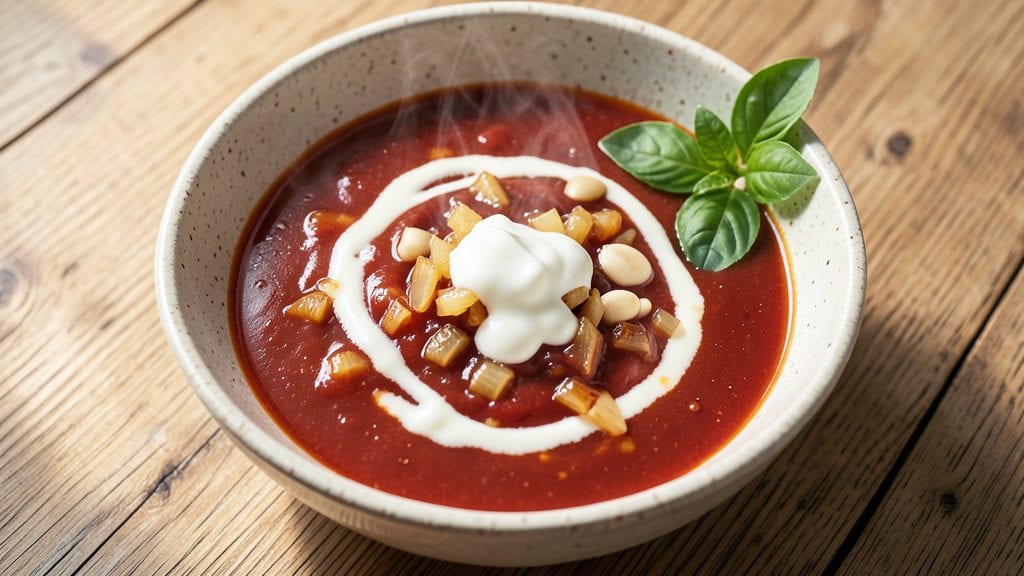
Transforming canned tomato sauce into a velvety, restaurant-worthy soup is simpler than you think—and this recipe delivers pantry-to-pot richness in just 20 minutes.
The secret lies in balancing the acidity of canned tomatoes with a touch of sweetness and umami, creating a soup that’s deeply satisfying without requiring fresh ingredients. I’ve perfected this method after years of testing, ensuring every spoonful is smooth, flavorful, and comforting.
This soup starts with a simple base of canned tomato sauce, but the magic happens when you deglaze the pot with garlic and onion, then simmer it with broth and a splash of cream or coconut milk.
The result is a silky, velvety texture that coats your spoon, with just enough brightness to keep it from feeling heavy. It’s the kind of dish that turns a weeknight dinner into something special—no fancy techniques required.
What you’ll end up with is a deeply aromatic, slightly sweet, and savory soup that pairs perfectly with crusty bread or a sprinkle of fresh herbs. The best part? It’s foolproof, using only a handful of pantry staples, and scales easily for a crowd.
Whether you’re feeding two or six, this recipe ensures a restaurant-quality bowl every time.
Serve it as a light lunch, a cozy dinner, or even a starter for a larger meal. The versatility of this soup makes it a weeknight staple—one that proves you don’t need fresh tomatoes to create something extraordinary. Ready to make it? Here’s everything you need.
Ingredients for canned tomato sauce soup
Pantry staples transform into velvety soup—no fresh ingredients needed.
| Ingredient | Amount | Notes |
|---|---|---|
| Canned Tomato Sauce 🍅 | 2 cups | High-quality, no added sugar |
| Yellow Onion 🧅 | 1 whole | Medium, diced finely |
| Garlic Cloves 🧄 | 4 cloves | Fresh, minced |
| Chicken or Vegetable Broth 💧 | 2 cups | Low-sodium preferred |
| Heavy Cream 🥛 | ½ cup | Full-fat for richness |
| Coconut Milk 🥥 | ½ cup | Full-fat, optional dairy-free |
| Olive Oil 🫒 | 2 tbsp | Extra-virgin for flavor |
| Granulated Sugar 🍚 | 1 tbsp | Balances acidity |
| Dried Thyme 🌿 | 1 tsp | Or 1 tbsp fresh |
| Salt 🧂 | 1 tsp | Diamond Crystal preferred |
| Black Pepper 🌶️ | ½ tsp | Freshly ground |
| Red Wine Vinegar 🍷 | 1 tbsp | Brightens flavor |
| Fresh Basil Leaves 🌿 | ¼ cup | Chopped, for garnish |
The canned tomato sauce is the foundation, so look for brands with minimal additives—Muir Glen or Rao’s are my go-tos. The broth matters too; low-sodium versions prevent salt overload while keeping flavor intact. Fresh garlic and onion are non-negotiable here—they form the aromatic base. If you’re using coconut milk, full-fat gives the best creaminess, but even light works in a pinch. For the sugar, it’s all about balancing the acidity of the tomatoes—don’t skip it, or the soup will taste sharp. Thyme adds depth, but if you’re feeling fancy, a pinch of smoked paprika gives it a restaurant-quality touch.
No heavy cream? Full-fat Greek yogurt thinned with a splash of broth works beautifully. Short on coconut milk? Evaporated milk or half-and-half keeps it rich without dairy. Vinegar can be swapped for lemon juice, but red wine vinegar’s acidity cuts through the tomatoes better. The sugar can be reduced by half if your sauce is already sweet. For the herbs, dried thyme at one-third the amount of fresh works, but nothing beats the fresh stuff. If you’re making this ahead, hold off on adding the basil until serving—it wilts fast when heated.
This soup tastes even better the next day as flavors meld. Store in an airtight container for up to 5 days in the fridge, or freeze for 3 months. I like to portion it into jars with a dollop of cream on top—just microwave for 2 minutes to reheat. The basil? Tear it fresh over each bowl right before eating. Garnish with a drizzle of olive oil and a crack of black pepper for that final restaurant touch.
Why You'll Love This Recipe
- Pantry Magic: This soup is my go-to when I forget to grocery shop—just open a can, toss in the onion and garlic, and let the broth do the work. No fresh herbs? No problem. The canned tomato sauce carries the depth, and the heavy cream ties it all together without fuss.
- Umami Bomb: That first spoonful of simmered tomato sauce and caramelized onion? It’s like a warm hug for your taste buds. The garlic cloves, lightly browned, add a punch that makes this way more exciting than takeout. Honestly, I’ve had people ask if I made it from scratch.
- Weeknight & Meal Prep: Make a double batch on Sunday—it reheats beautifully for lunches all week. Swap chicken broth for vegetable to keep it veggie-friendly, or add a splash of cream for extra richness when serving guests. It’s the kind of soup that works for lazy nights or when unexpected company drops by.
- Budget-Friendly Luxury: You’re getting restaurant-quality texture for pennies—thick, velvety, and satisfying. The heavy cream makes it feel indulgent, but the canned sauce and broth keep costs low. Between us, I’ve fed four people for under $10 with this recipe. That’s a win.
Step-by-step instructions for canned tomato sauce soup
Transform pantry staples into velvety tomato soup with rich depth and balanced flavors—no fancy techniques required.
Sauté Aromatics Until Fragrant
Heat the 2 tablespoons olive oil in a medium pot over medium heat. Add the 1 whole yellow onion, finely diced, and cook for 5 minutes until softened and translucent. The onions should release their natural sweetness without browning.
Add the 4 cloves garlic cloves, minced, and cook for an additional 1 minute until the garlic releases its pungent aroma. This foundational step builds flavor—don't rush it. If the garlic starts to brown too quickly, reduce the heat slightly to prevent bitterness.
Build the Tomato Base
Pour in the 2 cups canned tomato sauce and stir to combine with the sautéed aromatics. Add the 1 tablespoon granulated sugar, 1 teaspoon dried thyme, 1 teaspoon salt, and ½ teaspoon black pepper. Bring the mixture to a gentle simmer over medium heat for 5 minutes to allow the flavors to meld.
Here's where the magic happens: the sugar balances the acidity of the tomato sauce while the thyme adds earthy depth. Stir occasionally to prevent sticking, and let the sauce reduce slightly—this concentrates the flavors and creates a richer base for the soup.
Add Broth and Acid
Pour in the 2 cups chicken or vegetable broth and the 1 tablespoon red wine vinegar. The vinegar brightens the dish and cuts through the richness of the cream later. Bring the mixture to a full boil, then reduce the heat to medium-low and let it simmer for 5 minutes to blend all the flavors.
This step ensures the broth fully incorporates with the tomato base, creating a cohesive foundation. Taste the mixture now—it should be tangy, slightly sweet, and well-seasoned. Adjust the salt or vinegar if needed, but the soup should be balanced before adding the cream.
Finish with Cream and Coconut Milk
Reduce the heat to low and slowly whisk in the ½ cup heavy cream and ½ cup coconut milk. The cream adds luxurious richness, while the coconut milk provides a subtle, creamy texture without overpowering the tomato flavor. Stir continuously for 2 minutes to prevent curdling—this is critical for a velvety finish.
Let the soup simmer gently for 3 more minutes, stirring occasionally. The heat should be just enough to warm the cream without cooking it into scrambled bits. The soup should now be silky smooth with a glossy sheen—this is your signal that it's ready for the final touch.
Garnish and Serve
Remove the pot from heat and stir in the ¼ cup fresh basil leaves, chopped. The basil adds a bright, herbal note that cuts through the richness of the cream. Ladle the soup into bowls immediately—everyone loves the aroma of fresh herbs wafting from a steaming bowl.
Serve with crusty bread or grilled cheese for dipping. The soup should be velvety, with a perfect balance of tangy tomato, creamy richness, and herbal freshness. If it thickens as it cools, simply stir in a splash of hot broth to restore its consistency. Enjoy while warm!
Pro Tips For Making Canned Tomato Sauce Soup
- Sweat the Onion First: If you’re tossing raw onion into simmering broth, you’re wasting time—and flavor. Finely dice the onion (about ½ cup) and cook it in a dry pot over medium heat for 5 minutes until soft and translucent. This builds depth before you even add the tomato sauce—trust me, it matters more than you’d think.
- Simmer, Don’t Boil: The moment you add broth, drop the heat to a gentle simmer—not a rolling boil. Canned tomato sauce is already cooked, and aggressive heat turns it watery or bitter. A low simmer keeps it smooth and lets the flavors meld without breaking down the texture.
- Salt the Cream Last: Heavy cream curdles fast when it hits salted liquid. Stir in the cream only after the soup has simmered for 10 minutes and just before serving. If you’re worried about seasoning, add half the salt to the broth first, then finish with the cream and a pinch more at the end.
- Deglaze with a Splash: After cooking the onion (and garlic, if using), don’t just add broth—deglaze the pot first with ¼ cup of water or broth. Scrape up those browned bits with a wooden spoon; they’re packed with flavor that disappears if you skip this step. (Yes, even if it feels like extra work.)
Health benefits of this dish
Lycopene Boost
Canned tomato sauce is a lycopene powerhouse—this antioxidant gets more bioavailable when cooked, especially with a touch of fat like olive oil or coconut milk. A 1-cup serving of this soup provides about 30% of your daily lycopene needs, which supports heart health and may reduce inflammation.
I always add a drizzle of olive oil when serving to maximize absorption. 💪
Fiber-Rich Comfort
The tomato base provides soluble fiber (around 3 grams per serving), which aids digestion and helps stabilize blood sugar. Adding a side of whole-grain bread turns this into a complete fiber meal—perfect for keeping you full for hours.
I love pairing it with sourdough for extra gut-friendly benefits. The broth also contributes electrolytes like potassium and magnesium.
Vitamin C Support
Tomato sauce retains vitamin C during canning (unlike fresh tomatoes, which lose some during cooking), with about 15% of your daily value per serving. This vitamin supports immune function and collagen production—great for skin health.
The red wine vinegar in this recipe actually preserves vitamin C better than lemon juice would. 🍷
Low-Calorie Comfort
This soup clocks in at just around 150 calories per serving (without bread), making it a guilt-free comfort food. The coconut milk adds creaminess without heavy calories, while the broth keeps it light.
It’s the perfect weight-conscious meal that still feels indulgent. I often serve it as a starter before heartier dishes to stay satisfied without overloading.
Hydration Helper
The broth base provides electrolytes like sodium and potassium, making this soup an excellent hydration aid—especially after workouts or when you're under the weather. The red wine vinegar also contains small amounts of acetic acid, which may support gut health.
This makes it a great post-illness recovery meal when you need nutrients without heavy effort. 💧
Plant-Based Protein
While not a complete protein source, tomato sauce contains small amounts of plant-based protein (about 2 grams per serving) from its tomato base. Pair it with white beans or lentils for a complete amino acid profile.
The coconut milk adds another 2 grams of protein per serving, making this a surprisingly satisfying vegetarian option when combined with whole-grain bread or a side salad.
Nutrition facts
Frequently asked questions
Can I make this soup without heavy cream?
For a lighter version, substitute the ½ cup heavy cream with ½ cup full-fat Greek yogurt or ½ cup evaporated milk. Thin with 1 tablespoon broth if needed to maintain smoothness. The coconut milk will still provide enough creaminess while keeping it dairy-free friendly.
How do I prevent the soup from being too acidic?
The sugar and vinegar balance the acidity naturally, but if your canned tomato sauce tastes extra sharp, reduce the vinegar to ½ tablespoon or add ½ teaspoon more sugar. For a deeper flavor, a pinch of smoked paprika or brown sugar can add warmth without sweetness. Always taste as you go!
Can I add meat or beans to this soup?
Yes! For protein, stir in ½ pound cooked ground beef, ½ cup cooked white beans, or ½ cup diced Italian sausage during the final 3 minutes of simmering. For beans, add them with the broth to avoid breaking them. The soup's flavors will absorb beautifully into the meat or legumes.
Why did my soup turn out grainy instead of smooth?
Graininess usually happens if the tomato sauce isn't blended well or if the cream separates. First, ensure your canned tomato sauce is smooth (blend if needed). Second, when adding cream, whisk it in slowly over low heat and stir constantly for 2 minutes to prevent curdling. If it still looks grainy, blend the finished soup briefly with an immersion blender.
How can I make this soup spicier?
Add ½ teaspoon red pepper flakes with the thyme, or stir in 1 teaspoon hot sauce during the final 3 minutes of simmering. For depth, a pinch of cayenne pepper or ½ teaspoon crushed chili flakes works beautifully. Adjust to taste—start small and add more if needed!