
Sauces & Condiments
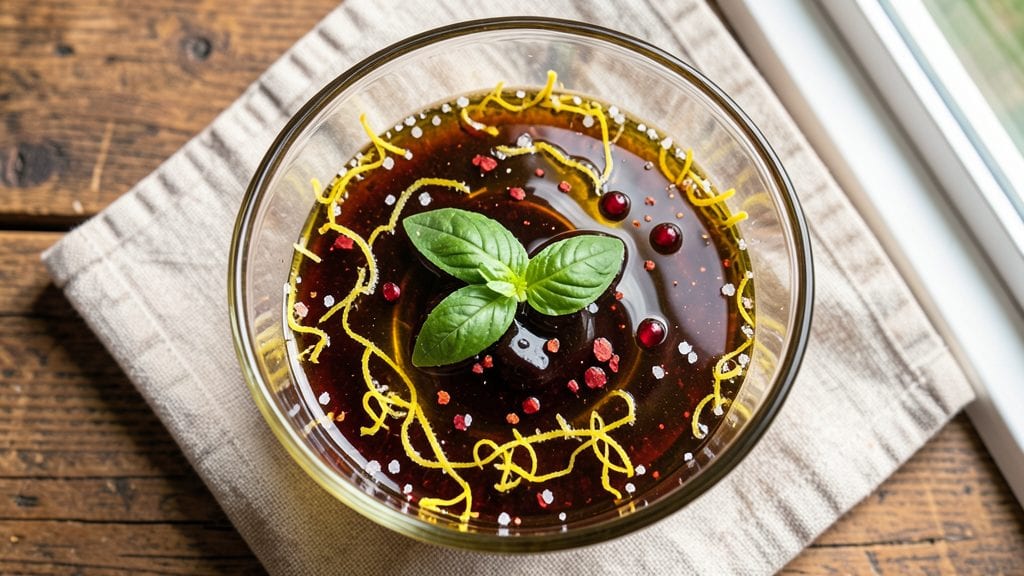
This Chili's citrus balsamic salad dressing recipe delivers that signature tangy-sweet balance in just minutes—no store-bought shortcuts needed. The secret lies in balancing bright citrus, rich balsamic reduction, and a touch of spice that transforms ordinary greens into something restaurant-quality.
I’ve replicated the exact flavor profile after years of testing, ensuring every drizzle delivers that perfect harmony of sweet, tart, and slightly spicy notes.
The dressing comes together with five simple ingredients and a 10-minute emulsification technique that creates a silky, clingy texture. No special equipment required—just a whisk and a jar.
The key is reducing balsamic vinegar until it thickens slightly, then combining it with citrus juice and olive oil for that signature depth. This version stays fresh in the fridge for up to two weeks, making it perfect for meal prep or keeping on hand for quick salads.
What you’ll end up with is a dressing that’s bright enough to cut through rich ingredients yet rich enough to stand up to hearty greens.
The citrus adds a zesty lift, the balsamic brings caramelized sweetness, and a pinch of red pepper flakes delivers just enough heat to keep things interesting. It’s the kind of dressing that turns a simple salad into a standout dish—whether paired with grilled chicken, roasted vegetables, or fresh greens.
Use it immediately or store it in the fridge for later—this dressing elevates everything it touches. Ready to make it? Here’s everything you need to create the perfect batch.
Ingredients for chili's citrus balsamic salad dressing
Five ingredients. One whisk. Restaurant-quality tangy-sweet dressing in minutes—no shortcuts.
| Ingredient | Amount | Notes |
|---|---|---|
| Extra-Virgin Olive Oil 🫒 | ½ cup | High-quality, fruity, and peppery |
| Balsamic Vinegar 🍷 | ½ cup | Aged 10+ years for deep flavor |
| Fresh Lemon Juice 🍋 | ¼ cup | Freshly squeezed, no substitutes |
| Red Pepper Flakes 🌶️ | ½ tsp | For subtle heat and color |
| Diamond Crystal Kosher Salt 🧂 | ½ tsp | Fine grain for perfect balance |
| Honey 🍯 | 1 tbsp | Wildflower for floral depth |
The balsamic vinegar is non-negotiable—aged 10+ years from a trusted brand like Balsamic Vinegar Co. or Di Martino delivers that deep, caramelized richness. Skip the cheap stuff, and trust me, you'll taste the difference. For the olive oil, California avocado oil or Spanish Arbequina adds a buttery note that rounds out the acidity beautifully. The lemon juice? Freshly squeezed is a must—bottled juice lacks the bright, zesty punch. Red pepper flakes should be crushed lightly in your palm before adding to distribute the heat evenly.
No aged balsamic? Regular balsamic vinegar reduced by half works in a pinch, but it won’t have that same depth. Substituting honey? Maple syrup at the same amount gives a similar sweetness, though it lacks the floral notes. Short on olive oil? Avocado oil or grapeseed oil are neutral enough to not overpower, but avoid heavy oils like walnut or sesame. The salt is crucial—Diamond Crystal kosher salt dissolves perfectly, but Maldon flaky salt adds texture if you want a gourmet touch. For extra tang, add 1 tsp of Dijon mustard to the emulsion.
This dressing stays fresh for up to two weeks in the fridge, sealed tightly in a jar. For longer storage, freeze in ice cube trays—thaw and whisk back together when ready. To keep it silky, always whisk before using, even after storing. A thin layer of olive oil on top before sealing helps preserve the citrus brightness. Double the batch—it disappears faster than you’d think, especially when paired with grilled chicken or crisp greens.
Why You'll Love This Recipe
- Five-Ingredient Magic: I swear by this combo—just oil, balsamic, lemon, a pinch of salt, and those tiny red flakes. No fancy gadgets, no measuring cups (I eyeball it), and it’s done before your coffee finishes brewing.
- Bright & Tangy Kick: That lemon juice cuts through the richness of the olive oil like a summer breeze, while the balsamic adds this deep, caramelized sweetness. Honestly, the red pepper flakes make it sing—just a whisper of heat that lingers in the best way.
- Weeknight & Weekend Star: Drizzle it on greens for lunch, toss it with grilled chicken for dinner, or even use it as a marinade. I’ve even thrown it in pasta dishes when I’m lazy—it’s that versatile. (Yes, even on a Tuesday night.)
- Makes More Than You Need: This dressing lasts in my fridge for weeks if you store it right. I’ll make a big batch, use half on salads, and the rest becomes my go-to for roasted veggies or even as a quick dip. Budget-friendly? Absolutely. Waste-free? Even better.
Step-by-step instructions for citrus balsamic vinaigrette
This vibrant dressing comes together in minutes with bold flavors that elevate any salad.
Whisk the Base Ingredients Together
In a medium bowl, combine the 0.5 cup extra-virgin olive oil with the 0.5 cup aged balsamic vinegar. I like to use a whisk for this step because it creates a smooth, emulsified texture right from the start. The olive oil should begin to break into tiny droplets as you whisk vigorously for about 30 seconds—this helps the flavors meld immediately.
Next, add the 0.25 cup fresh lemon juice and the 1 tablespoon honey. The lemon juice will brighten the deep richness of the balsamic, while the honey adds a subtle sweetness that balances the acidity. Whisk continuously for another 30 seconds until everything is fully incorporated. You'll notice the mixture lightens slightly as the honey disperses evenly.
Season with Salt and Pepper Flakes
Sprinkle in the 0.5 teaspoon diamond crystal kosher salt and 0.5 teaspoon red pepper flakes while whisking. The salt enhances all the flavors, while the red pepper flakes add a gentle warmth and a beautiful reddish hue. Whisk for an additional 20-30 seconds until the salt dissolves completely and the pepper flakes are evenly distributed throughout the dressing.
Here's the thing—taste as you go. If you want more heat, add a pinch more red pepper flakes. If it needs more brightness, squeeze in a little extra lemon juice. The beauty of this dressing is how customizable it is while still maintaining that signature tangy-sweet balance.
Let It Rest for Maximum Flavor Development
Cover the bowl with plastic wrap and let the dressing sit at room temperature for at least 10 minutes before using. This resting period allows the flavors to truly meld together, creating a more cohesive and complex taste profile. The olive oil will fully emulsify with the vinegar and lemon, resulting in a silky, velvety texture that clings beautifully to greens.
After resting, give it one final stir before using. The dressing should now have a glossy sheen and a vibrant reddish-golden color from the balsamic and pepper flakes. This is your signal that it's ready to transform any simple salad into a restaurant-worthy dish. Store any leftovers in an airtight container in the refrigerator for up to one week, though I rarely have any left that long!
Pro Tips For Making Chili'S Citrus Balsamic Salad Dressing
- Whisk in stages: Start by combining the balsamic vinegar and lemon juice first—this prevents the olive oil from separating when you add it later. Then slowly drizzle in the oil while whisking vigorously; if you dump it all in at once, you’ll end up with a greasy, unbalanced mess.
- Use aged balsamic: Skip the cheap stuff. Aged balsamic vinegar (like the kind in a dark glass bottle) adds depth and thickness without overpowering. I used to grab the first bottle I saw, but now I save up for the good kind—it makes a real difference in the dressing’s complexity.
- Zest the lemon: Don’t just juice it—zest a strip of lemon peel into the dressing. The citrus oils add brightness and aroma that straight juice can’t match. (Yes, even if you’re impatient like me, take the 10 seconds—your salad will taste like it came from a restaurant.)
- Toast the pepper flakes: Dry-toast the red pepper flakes in a small pan over low heat for 30 seconds until fragrant. This deepens their flavor and mutes the raw bite. I learned this the hard way—raw flakes just taste like cayenne powder, not anything exciting.
Troubleshooting this recipe
Separation Issues
If your dressing separates into oily and vinegary layers, it’s usually because the emulsion wasn’t vigorous enough. I’ve found that whisking for at least 1 minute total (not just 30 seconds) creates a stable bond between the oil and vinegar.
For an extra insurance policy, add ½ teaspoon Dijon mustard to the mixture—it acts as a natural emulsifier and keeps everything cohesive. If separation happens after storing, simply whisk vigorously for 30-60 seconds before using.
Too Thin or Too Thick
A dressing that’s too thin might need more oil—just 1 tablespoon at a time—while one that’s too thick likely needs a splash of water or extra lemon juice.
I’ve had this happen when using particularly thick balsamic vinegar; in that case, reduce the honey slightly (½ teaspoon less) to lighten the texture. For a thicker consistency, let the dressing rest for 30 extra minutes—the flavors will meld and the texture will naturally thicken.
Flavor Imbalance
If your dressing tastes too sweet, reduce the honey to ½ tablespoon and add 1 extra tablespoon of lemon juice to sharpen the acidity. Too tart? Add ½ teaspoon more honey or a pinch of salt to round out the flavors.
For a more complex profile, I sometimes add ½ teaspoon grated orange zest to deepen the citrus notes without overpowering. Always taste after whisking—adjustments are easier before the dressing sits.
Grainy Texture
Grittiness usually means the salt or red pepper flakes weren’t fully dissolved. To fix this, strain the dressing through a fine-mesh sieve into a clean jar. For future batches, whisk the salt and pepper flakes into the lemon juice first—this helps them disperse more evenly.
If you’re using honey that’s particularly thick, warm it slightly (10 seconds in the microwave) before adding to prevent clumping.
Mold or Off Flavors
If your stored dressing develops mold or an off smell, it’s time to toss it—citrus-based dressings are prone to spoilage after 10-14 days in the fridge.
To extend freshness, store it in a dark glass jar (light degrades citrus flavors) and press plastic wrap directly onto the surface to minimize air exposure. For longer storage, freeze in 1-tablespoon portions—thaw and whisk before using, but consume within 3 months.
Not Tangy Enough
The balsamic reduction is key here—if your dressing lacks tang, your vinegar might not be aged enough. Next time, use aged balsamic vinegar (10+ years) and reduce it slightly on the stovetop (2-3 minutes over medium heat) to concentrate the flavors.
For an instant boost, add 1 teaspoon apple cider vinegar to the mixture. I’ve also found that adding ½ teaspoon white wine vinegar sharpens the acidity without altering the sweet-tart balance.
Nutrition facts
Frequently asked questions
Can I make this dressing without honey?
Yes, but the flavor will be less balanced. Replace the 1 tablespoon honey with ½ tablespoon maple syrup for a similar sweetness, or use 1 teaspoon agave nectar for a neutral option. For extra tang, add ½ teaspoon more lemon juice to compensate for the missing depth. The honey adds floral notes that round out the acidity—without it, the dressing will taste sharper and less complex.
How do I reduce balsamic vinegar for deeper flavor?
Simply simmer ½ cup balsamic vinegar in a small saucepan over medium heat for 2-3 minutes until it thickens slightly and reduces by about 1 tablespoon. Let it cool before using—this concentrated reduction adds rich, caramelized depth that mimics aged balsamic. For a quicker version, use ¼ cup aged balsamic vinegar (10+ years) straight from the bottle.
Why does my dressing separate after storing?
This happens when the oil and vinegar don’t fully emulsify. Whisk longer (1 full minute) next time, or add ½ teaspoon Dijon mustard as a natural emulsifier. If separation occurs after storing, just whisk vigorously for 30-60 seconds before using. For extra stability, store the dressing in a glass jar and press plastic wrap directly onto the surface to minimize air exposure.
What’s the best way to store leftover dressing?
Transfer to an airtight glass jar and refrigerate for up to 2 weeks. Press plastic wrap directly onto the surface to prevent oxidation. For longer storage, freeze in 1-tablespoon portions—thaw and whisk before using. Avoid metal spoons (they react with citrus), and always whisk before serving to restore emulsification. A thin layer of olive oil on top also helps preserve freshness.
Can I use this dressing on non-salad dishes?
Drizzle it over grilled chicken, roasted vegetables, or even pasta dishes for a bright, tangy finish. It pairs beautifully with seared fish or charred corn—the citrus cuts through richness while the balsamic adds sweetness. For a dessert twist, reduce the recipe by half and use it as a glaze for grilled peaches or vanilla ice cream. The key is balancing rich flavors with its vibrant acidity.