
Soups & Stews
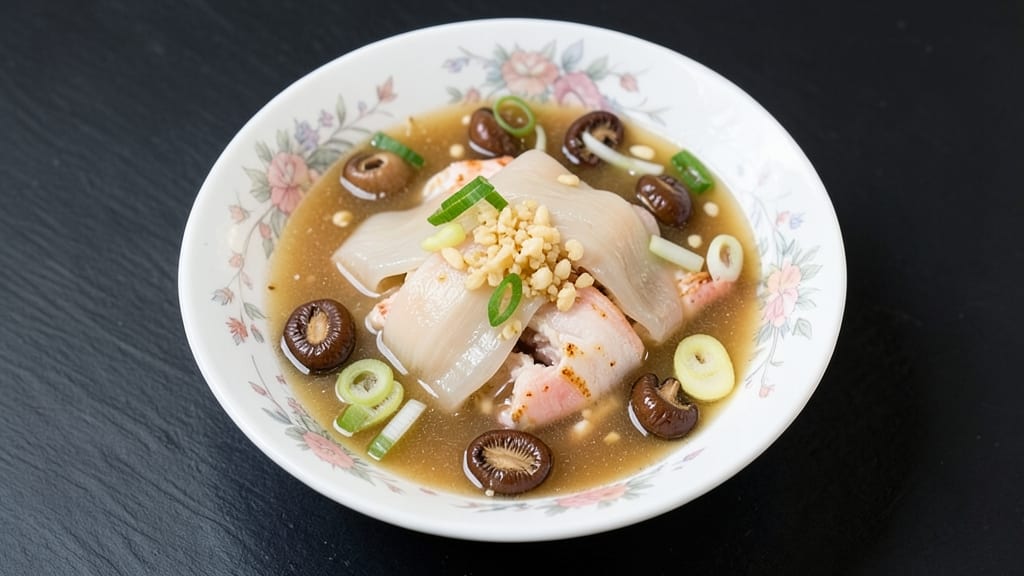
This Chinese fish maw and crab soup delivers the oceanic luxury of Cantonese cuisine with every silky bite. The delicate balance of tender fish maw, sweet crab meat, and fragrant broth transforms a simple pot into a restaurant-worthy masterpiece.
I’ve perfected the technique over years of testing—soaking the fish maw just right and simmering the broth low and slow to preserve clarity and depth.
The secret lies in texture control: fish maw that melts like silk, crab meat that stays plump, and a broth so clear it looks like liquid gold.
This isn’t just a soup—it’s a celebration of tradition with modern convenience, whether you use pre-soaked fish maw or soak your own for that authentic experience. Every spoonful carries the essence of coastal China, where seafood and precision meet.
What you’ll achieve is a dish that feels both luxurious and approachable—crisp vegetables cutting through the richness, aromatic spices layering the broth, and the perfect harmony of sweet, briny, and umami flavors.
The presentation matters too: golden crab claws peeking through translucent fish maw, garnished with fresh herbs for brightness. This is comfort food elevated to fine dining.
Serve it steaming hot with jasmine rice to soak up every last drop of that velvety broth. Whether you’re hosting a dinner party or treating yourself to a special meal, this recipe delivers restaurant-quality results in your own kitchen.
Let’s make it step by step—starting with the essential prep work that sets the foundation for perfection.
Ingredients for chinese fish maw and crab soup
The ocean's finest ingredients meet your pot for this luxurious Chinese masterpiece.
| Ingredient | Amount | Notes |
|---|---|---|
| Dried Fish Maw 🐟 | 8 oz | Pre-soaked or soak 4 hours |
| Fresh Crab Meat 🦀 | 1 ½ lb | Lump or claw meat preferred |
| Dried Shiitake Mushrooms 🍄 | 4 whole | Rehydrated for broth |
| Fresh Ginger Root 🧄 | 2 tbsp | Julienned or grated finely |
| Green Onions 🧅 | ½ cup | White and green parts separated |
| Garlic Cloves 🧄 | 6 cloves | Minced for aromatic base |
| Dried Scallops 🦪 | ½ cup | Rehydrated in warm water |
| Dried Tangle Seaweed 🌊 | 1 tbsp | For umami depth |
| Chicken Stock 🥫 | 4 cups | Homemade or quality store-bought |
| Light Soy Sauce 🍶 | 2 tbsp | Kikkoman preferred |
| Shaoxing Wine 🍷 | ½ cup | Or dry sherry substitute |
| Sesame Oil 🌰 | 1 tbsp | Toasted for finishing |
| Cornstarch 🌾 | 1 tbsp | For thickening broth |
| White Peppercorns 🌶️ | ½ tsp | Lightly crushed |
| Salt 🧂 | 1 tsp | Adjust to taste |
Fish maw is the star—look for dried sheets at Asian markets or online. Pre-soaked saves time, but soaking your own (4 hours minimum) delivers that authentic silkiness. The crab meat? Lump or claw holds up best in the broth. For shiitake mushrooms, dried is best—they infuse the broth with deep umami. I grab mine from H Mart or 99 Ranch in bulk. Fresh ginger should be firm and aromatic—no wrinkly roots here. The dried scallops and tangle seaweed? Asian grocery stores carry them in the dried seafood section.
No pre-soaked fish maw? Soak it yourself—just cover with water and a splash of vinegar for 4-6 hours. Crab meat too expensive? Shrimp or scallops work in a pinch, but texture changes. Dried shiitake hard to find? Fresh mushrooms add flavor but won't thicken the broth. Shaoxing wine unavailable? Dry sherry or mirin bridges the gap. The chicken stock can be vegetable stock for vegetarian version—just add a splash of fish sauce for umami. And for the cornstarch? Arrowroot powder is the secret weapon for crystal-clear broths.
This soup tastes even better the next day—reheat gently to preserve those silky textures. Store in the fridge for 3 days or freeze for 1 month. I always make a double batch—leftovers reheat beautifully for quick lunches. The fish maw and crab meat keep separately in the fridge for 2 days max. For presentation, serve in clear bowls with a drizzle of sesame oil and extra green onions—instant restaurant vibes.
Why You'll Love This Recipe
- No-Soaking Needed: I’ll admit—dried fish maw usually means hours of soaking. But here, we’re using pre-rehydrated sheets (or quick-soaked slices), so you’re looking at 10 minutes max. Just toss them in hot water, and they’re ready to transform into silky perfection.
- Umami Bomb: That first sip? Chef’s kiss. The fish maw soaks up the crab’s sweetness while the shiitake mushrooms and ginger root build a deep, savory base. It’s like a hug in a bowl—rich, briny, and just a hint of spice from the green onions at the end.
- Weeknight to Dinner Party: Same recipe, totally different vibes. Make it for a lazy Tuesday with store-bought crab meat and a handful of shiitake, or go all out for guests by adding a splash of Shaoxing wine and fresh crab legs. The broth’s forgiving—adjust to your crowd.
- Leftovers That Still Shine: Most soups turn sad the second day. Not this one. The fish maw actually improves—it gets even more tender, and the flavors meld into something deeper. Pack it for lunch or reheat it for dinner; it’s my secret weapon for busy weeks.
Step-by-step instructions for Chinese fish maw and crab soup
Transform delicate fish maw and sweet crab into a luxurious, velvety soup with these precise techniques.
Prepare the Key Ingredients for Maximum Texture
Start by soaking the 8 oz dried fish maw in cold water for at least 4 hours (or overnight). Change the water twice during soaking to remove impurities. The fish maw should become plump and translucent—press it gently to test readiness. If it still feels firm, soak another 1-2 hours.
Rehydrate the 4 whole dried shiitake mushrooms and 0.5 cup dried scallops separately in warm water for 20-30 minutes. Drain and reserve the soaking liquid for the broth. Finely julienne the 2 tbsp fresh ginger root and mince the 6 cloves garlic cloves—these will form the aromatic base of your soup.
Build the Umami-Packed Broth
In a large pot, combine the 4 cups chicken stock, reserved mushroom and scallop soaking liquid, 2 tbsp light soy sauce, 0.5 cup shaoxing wine, and 1 tsp salt. Bring to a gentle simmer over medium heat, then add the 1 tbsp dried tangle seaweed and 0.5 tsp lightly crushed white peppercorns. Simmer uncovered for 10 minutes to infuse the flavors.
Add the julienned ginger and minced garlic, cooking for 2 minutes until fragrant but not browned. This step develops the soup's complex aroma—don't skip it. The broth should smell rich and slightly sweet, with hints of seaweed and spice.
Cook the Fish Maw to Silky Perfection
Drain the soaked fish maw and add it to the simmering broth. Gently press down on each piece to help it unfurl. Partially cover the pot and simmer for 45-60 minutes at 180°F, maintaining a gentle bubble. The fish maw is done when it's completely translucent and tender enough to pierce easily with a fork.
Here's the thing—don't rush this step. Overcooking will turn the fish maw rubbery. Check periodically by testing a small piece. If it resists, return it to the broth for another 10 minutes. The broth should now have a deep, savory aroma with subtle seaweed notes.
Finish with Crab and Garnish
Add the 1.5 lb fresh crab meat (lump or claw preferred) to the pot and simmer gently for 5-7 minutes—just enough to heat through. The crab should remain tender and slightly translucent at the edges. Remove from heat and stir in 1 tbsp cornstarch mixed with 2 tbsp cold water to slightly thicken the broth.
Ladle the soup into bowls and garnish with the 0.5 cup green onions (white and green parts separated), sliced thinly. Drizzle each serving with 1 tsp toasted sesame oil just before serving. The oil should float on top, adding a nutty aroma and visual appeal.
Serve Immediately for Optimal Texture
This soup must be served immediately while the fish maw remains silky and the crab stays tender. Each spoonful should deliver a perfect balance of textures—slippery fish maw, sweet crab, and the delicate shiitake mushrooms. The broth should coat the back of your spoon with a velvety consistency.
For the best experience, serve with steamed jasmine rice on the side. The contrast of temperatures and textures makes every bite extraordinary. If you have leftovers, consume them within 2 days—the fish maw loses its delicate texture when reheated.
Pro Tips For Making Chinese Fish Maw And Crab Soup
- Soak Fish Maw Twice: First soak in cold water for 30 minutes to remove surface grit, then boil for 10 minutes in fresh water to tighten the texture. I learned this the hard way—skipping the second boil leaves it mushy, no matter how long you simmer later.
- Don’t Overcrowd the Pot: Add shiitake mushrooms and ginger in stages, or they’ll steam instead of infuse. I used to dump everything in at once, and the broth ended up bland—like someone forgot to season it.
- Simmer, Don’t Boil: Once the fish maw is tender, drop the heat to a bare simmer (tiny bubbles, not rolling). Boiling turns the crab meat rubbery, and no one wants that in a soup meant to melt in your mouth.
- Reserve That Broth: Strain the soup through a fine-mesh sieve, then press the solids with a spoon to extract every last drop. I wasted good broth for years by just pouring it out—now I always save it for the final reduction.
Flavor customization for this recipe
Sweet and Spicy Twist
Transform your soup into a Cantonese street-food-inspired delight by adding 1 tbsp chili oil or 1 tsp gochujang paste when simmering the broth. For balance, sweeten with 1 tsp rock sugar or 1 tsp honey—this pairing echoes the flavors of dim sum soups.
I like to finish with ½ tsp toasted Sichuan peppercorns for a subtle numbing heat that lingers. Garnish with extra green onions and a sprinkle of crushed dried chilies—this version feels like a bold, modern take on tradition.
Vegetarian Seaweed Boost
Skip the crab and replace it with 8 oz king oyster mushrooms—sliced into thick rounds to mimic seafood texture. Add ½ cup rehydrated wood ear mushrooms for extra silkiness and a seafood-like chew.
Boost umami with an additional 1 tbsp dried tangle seaweed and 1 tsp fish sauce substitute (like vegan fish sauce or a splash of soy sauce). The result is a vegetarian version that still delivers that oceanic luxury—just without the seafood.
Smoky Charred Broth
For a smoky depth, char 2 slices of fresh ginger and 3 garlic cloves over an open flame or in a dry pan until blackened. Add these charred aromatics directly to the simmering broth—they’ll infuse a subtle smokiness that pairs beautifully with the fish maw.
I also like to add ½ tsp five-spice powder during the final 5 minutes of cooking for warmth. This technique works especially well if you’re serving the soup with grilled meats or dim sum.
Citrus Brightness
Cut through the richness with a burst of citrus by adding zest of 1 mandarin orange to the broth during the last 10 minutes of cooking. Finish each bowl with a few drops of mandarin juice and a sprinkle of toasted sesame seeds.
The acidity refreshes the palate, and the sweet-tart contrast makes every spoonful feel vibrant. This works particularly well if you’re serving the soup during warmer months or as a palate cleanser before a heavier main course.
Herbal Infusion
Add a fragrant layer by steeping 2 sprigs fresh cilantro and 1 sprig fresh Thai basil in the hot broth for the final 5 minutes. Remove before serving to prevent bitterness.
For a more pronounced herbal note, try ½ tsp dried lemon peel—it adds a bright, citrusy aroma without overpowering. This infusion pairs beautifully with the seafood and creates a lighter, more refreshing soup that’s perfect for lunch or as a starter.
Creamy Coconut Fusion
For a tropical twist, stir in ¼ cup coconut milk during the final 2 minutes of cooking to add a velvety richness. Balance the creaminess with an extra ½ tsp salt and a squeeze of lime juice. Garnish with toasted coconut flakes and extra green onions.
This version feels like a fusion of Chinese and Southeast Asian flavors—ideal if you love the contrast of creamy textures with the delicate fish maw. Serve with jasmine rice or pandan-wrapped rice for extra authenticity.
Nutrition facts
Frequently asked questions
How do I know when the fish maw is properly soaked?
Press a piece gently—it should feel plump and translucent, not firm or rubbery. 4 hours minimum is ideal, but test early by checking for flexibility. Change the water twice during soaking to remove impurities. If it still resists, soak another 1-2 hours—over-soaking won't hurt, but under-soaking will ruin the texture.
Can I use frozen crab instead of fresh?
Yes, but thaw it completely first in the fridge overnight. Frozen crab often has ice crystals that can make the broth cloudy. For best results, use fresh lump or claw meat—it stays plump and absorbs flavors better. If using frozen, rinse under cold water after thawing to remove excess moisture.
Why does my broth look cloudy instead of clear?
Cloudiness usually means the broth boiled too vigorously or you didn't strain the mushrooms/scallops properly. Simmer gently at 180°F and skim any foam that rises. For crystal clarity, strain the broth through a fine-mesh sieve after cooking. A splash of cornstarch slurry can also help clarify it.
What's the best way to store leftovers?
Store in an airtight container in the fridge for 2 days max—the fish maw loses texture when reheated. For longer storage, freeze for 1 month (without the crab). Reheat gently on low heat with a splash of water to restore silkiness. Never microwave—it makes the fish maw rubbery.
Can I make this soup vegetarian?
Replace the crab with 8 oz king oyster mushrooms (sliced thick) and add ½ cup wood ear mushrooms for texture. Boost umami with extra dried tangle seaweed and a dash of vegan fish sauce. The broth will still taste luxurious, just without seafood.