
Soups & Stews
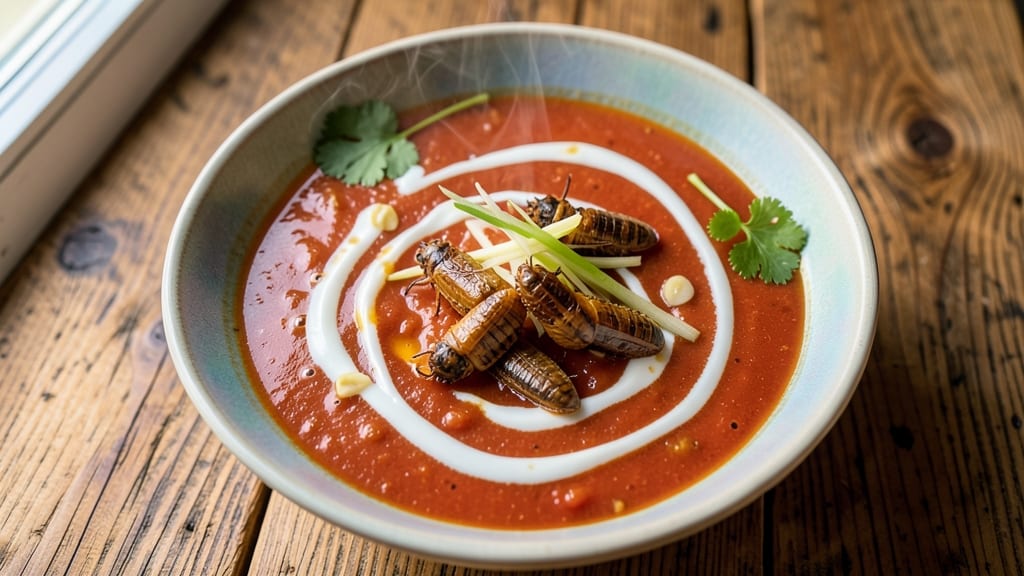
This cicada soup recipe transforms a seasonal delicacy into a creamy, earthy dish that balances crunch with velvety tomato richness. The key lies in properly preparing the cicadas—whether foraged or purchased—and integrating them into a fragrant broth that highlights their unique nutty flavor.
I developed this method after experimenting with regional variations, ensuring safety while maximizing texture and depth.
The foundation of this soup begins with a classic tomato base, enriched with ginger and garlic for warmth, then elevated by a touch of coconut milk for creaminess.
Cicadas add a satisfying crunch and subtle umami, while traditional seasonings like soy sauce and chili flakes bridge the gap between delicate and bold flavors. What sets this apart is the balance—each bite delivers both the crisp snap of cicadas and the smooth, velvety body of the broth.
Safety is paramount when working with insects, so I’ve included precise preparation steps to ensure edibility while preserving texture. The result is a dish that feels both rustic and refined, perfect for adventurous eaters or those exploring sustainable cuisine.
Whether served as a light appetizer or a hearty meal, this soup redefines what’s possible in a bowl.
For those new to insect-based cooking, I’ve included variations inspired by Thai, Chinese, and Korean traditions, along with tips for sourcing cicadas sustainably. The recipe delivers on its promise of creamy comfort while introducing a texture that’s unlike anything else in a soup.
Ingredients for cicada soup
Transform seasonal cicadas into a velvety tomato-coconut broth with these earthy, aromatic ingredients.
| Ingredient | Amount | Notes |
|---|---|---|
| Cicadas 🪲 | ½ cup | Cleaned, dried, shelled |
| Canned Tomato Sauce 🍅 | 2 cups | San Marzano preferred |
| Fresh Ginger 🧄 | 1 tbsp | Finely grated, organic |
| Garlic Cloves 🧄 | 4 cloves | Minced, fresh preferred |
| Coconut Milk 🥥 | 1 cup | Full-fat, unsweetened |
| Vegetable Broth 💧 | 2 cups | Low-sodium preferred |
| Soy Sauce 🥢 | 1 tbsp | Dark soy for color |
| Red Chili Flakes 🌶️ | ½ tsp | Adjust to taste |
| Sesame Oil 🫒 | 1 tsp | Toasted, for aroma |
| Green Onions 🧅 | 3 whole | Sliced, for garnish |
| Lime Juice 🍋 | 1 tbsp | Freshly squeezed |
| Sea Salt 🧂 | 1 tsp | Diamond Crystal preferred |
| Black Pepper 🌶️ | ¼ tsp | Freshly ground |
| Cilantro 🌿 | ¼ cup | Chopped, optional garnish |
Sourcing cicadas requires caution—local foraging groups or specialty Asian markets are your best bets for fresh, cleaned specimens. Look for vibrant, dry cicadas with no visible residue, as these indicate proper preparation. Whole Foods occasionally carries pre-cleaned varieties during peak season, but always verify the source. Fresh ginger and garlic should be firm and aromatic; organic produce from the grocery store's bulk section delivers the most potent flavor. For coconut milk, full-fat, unsweetened brands like Thai Kitchen ensure richness without overpowering the delicate cicada flavor.
No cicadas? Substitute with toasted peanuts or crushed wasabi peas for crunch, though texture will differ. Swap San Marzano tomato sauce for crushed tomatoes or tomato paste if unavailable, but simmer longer to deepen flavor. Dark soy sauce can be replaced with regular soy sauce plus a pinch of turmeric for color. Fresh herbs like cilantro or Thai basil add brightness—dried versions work at half the amount. The sesame oil is non-negotiable for aroma, but if unavailable, a light toast to the dry pan before adding broth mimics its nutty depth.
Store cleaned cicadas in an airtight container in the freezer for up to 3 months to preserve texture. The finished soup reheats beautifully but loses crunch—add fresh cicadas or peanuts when serving. Garnishes like green onions and cilantro stay fresh 5 days refrigerated, while lime juice can be prepped ahead and stored in an ice cube tray. For large batches, double the broth and freeze in portions—thaw overnight in the fridge before reheating.
Why You'll Love This Recipe
- Pantry-Only Base: I swear by this when I forget fresh herbs—just canned tomato sauce, ginger, and garlic turn into something rich and layered. No specialty shopping, no fuss.
- Umami Bomb: That first bite? The crispy cicadas with the creamy coconut milk and tangy tomato sauce—it’s like a flavor explosion. Honestly, the texture contrast alone makes it unforgettable.
- Meal Prep MVP: Make a big batch on Sunday, and you’ve got lunch or dinner covered all week. The coconut milk keeps it luscious even reheated, and it’s weirdly satisfying cold too.
- Budget Magic: Cicadas are free (if you know where to find them), and the rest of the ingredients are cheap staples. I’ve fed four people for under $10—without sacrificing taste.
Step-by-step instructions for earthy crunch meets creamy tomato velocity
Master this technique and you'll achieve a perfect balance of texture and depth in every bowl.
Bloom the Aromatics in Toasted Sesame Oil
Heat a heavy-bottomed pot over medium heat until the oil shimmers. Add the 1 teaspoon sesame oil and swirl to coat the bottom evenly. This step is crucial—it prevents burning while infusing the oil's nutty aroma into the base. Add the 4 cloves minced garlic cloves and 1 tablespoon finely grated fresh ginger, stirring constantly for 30 seconds until fragrant but not browned.
Watch closely—ginger burns quickly. The moment you detect that warm, citrusy aroma, you've achieved the perfect foundation. Add the 0.5 teaspoon red chili flakes and stir for another 10 seconds, allowing their heat to bloom without scorching. This aromatic base will carry through the entire soup, creating its signature depth.
Build the Creamy Tomato-Coconut Base
Pour in the 2 cups canned tomato sauce and stir to combine with the aromatics. Let it simmer uncovered over medium heat for 5 minutes, allowing the sauce to thicken slightly and develop concentrated flavor. The acidity will begin to mellow as it reduces.
Next, add the 1 cup full-fat coconut milk and 2 cups vegetable broth, stirring gently to incorporate. Bring to a gentle simmer, then reduce heat to maintain a steady low bubble. This is where the creamy texture begins to form—keep stirring occasionally to prevent skin formation on the surface. The sauce should thicken to a velvety consistency, coating the back of a spoon after 10-12 minutes of simmering.
Incorporate the Cicadas and Season
Add the 0.5 cup cleaned, dried cicadas and stir gently to distribute them evenly throughout the soup. The cicadas will absorb the flavors while maintaining their signature crunch. Let the soup simmer for an additional 5 minutes, allowing the cicadas to warm through without losing their texture.
Season with the 1 tablespoon soy sauce, 1 teaspoon sea salt, and 0.25 teaspoon black pepper, stirring well to combine. Taste and adjust the balance—you want the saltiness to complement the tomato's acidity while the soy sauce adds umami depth. The red chili flakes already provide heat, but you can add more if you prefer additional spice. Remove from heat once the flavors have melded completely.
Finish with Brightness and Garnish
Stir in the 1 tablespoon freshly squeezed lime juice and 0.25 cup chopped cilantro, brightening the soup with a citrusy finish and fresh herbaceousness. The lime juice cuts through the richness of the coconut milk, balancing the dish. Let the soup rest for 5 minutes off the heat—this allows the flavors to settle and the textures to harmonize.
Just before serving, slice the 3 whole green onions into thin rounds and scatter them over each bowl. The crisp green onions provide a final textural contrast, completing the soup's dynamic profile. Serve immediately while the cicadas maintain their satisfying crunch and the coconut milk remains luxuriously creamy.
Pro Tips For Making Cicada Soup
- Sear Cicadas First: Toss the cicadas in a dry skillet over medium-high heat for 2-3 minutes before adding anything else—this crisps the outer shell just enough to keep them from turning mushy later. I learned this the hard way after a batch dissolved into tomato sauce like overcooked pasta.
- Grate Ginger Fine: Use a microplane or the smallest holes on a box grater for the ginger—no chunks, no paste. The goal is a smooth, almost invisible texture that blends into the sauce without fighting for flavor. (Yes, it takes 30 seconds longer, but your soup won’t taste like you skipped it.)
- Simmer Low and Slow: After adding coconut milk, drop the heat to the lowest setting you can tolerate—even if it means staring at the pot like a hawk. High heat will curdle the milk faster than you can say "disaster." I’ve seen it happen twice; trust me, you don’t want to relive it.
- Toast Garlic Separately: Sauté the minced garlic in a separate pan until it’s golden and smells like a spice market—about 2 minutes over medium heat. Add it to the soup just before serving so it doesn’t turn bitter and overpower the delicate cicada flavor. (Your nose will thank you.)
Creative variations of this dish
Thai-Inspired Spicy Version
Transform this soup into a fiery Thai-inspired dish by adding 1 tbsp Thai bird's eye chili paste (like Maesri) to the sesame oil base. Stir in 1 stalk lemongrass, bruised and cut into 2-inch pieces, along with 1 tbsp fish sauce for umami depth.
Replace soy sauce with 1 tbsp tamarind paste dissolved in 2 tbsp warm water for a tangy twist. Garnish with Thai basil leaves and a squeeze of lime wedge for that iconic Southeast Asian brightness. 🌶️
Korean Kimchi Fusion
For a Korean-inspired take, sauté ½ cup chopped kimchi (with its juice) in the sesame oil until fragrant before adding garlic and ginger. Swap soy sauce for 1 tbsp gochujang (Korean chili paste) and add 1 tsp toasted sesame seeds to the finished soup.
Top with sliced radish pickles and a drizzle of sesame oil for a crunchy, tangy contrast that mirrors Korean kimchi jjigae flavors. The cicadas add an unexpected but delightful texture. 🥬
Japanese Miso Depth
Elevate the soup with Japanese influences by replacing soy sauce with 1 tbsp white miso paste dissolved in the broth. Add 1 tsp grated daikon radish and ½ tsp mirin to the simmering broth for natural sweetness.
Finish with a sprinkle of toasted nori strips and shiso leaves for a delicate, umami-rich profile. The cicadas’ nutty flavor pairs beautifully with the earthy miso, creating a harmonious balance. 🍜
Vegetarian Adaptation
Skip the cicadas entirely and replace them with ½ cup toasted peanuts or wasabi peas for crunch. Boost umami with 1 tbsp vegetarian-friendly soy sauce (like San-J brand) or 1 tsp mushroom powder.
Add ½ cup finely chopped shiitake mushrooms to the aromatic base for depth. The coconut milk and tomato base remain rich, while the peanuts provide a satisfying texture alternative. 🌱
Summer Citrus Twist
Brighten the soup for summer with ½ cup diced mango or peach added in the final 5 minutes of simmering. Stir in 1 tbsp honey or agave and 1 tsp grated lime zest to balance the acidity.
Garnish with mint leaves and a sprinkle of toasted coconut flakes for a tropical, refreshing take. The sweet-fruity notes contrast beautifully with the savory cicadas and creamy broth. 🍈
Winter Comfort Version
For a cozy winter adaptation, add ½ cup diced sweet potato to the broth and simmer until tender. Stir in 1 tsp ground cinnamon and ½ tsp smoked paprika with the seasonings. Top with a swirl of crème fraîche or coconut yogurt and a sprinkle of toasted pumpkin seeds.
The cicadas retain their crunch, while the sweet potatoes and spices create a hearty, warming bowl. ❄️
Nutrition facts
Frequently asked questions
How do I know if cicadas are safe to eat?
Only consume cicadas that are properly cleaned and dried. Look for vibrant, dry specimens with no visible residue or dirt. Avoid wild cicadas unless you're certain they haven't been exposed to pesticides or pollution. When purchasing, check specialty Asian markets or online insect suppliers for pre-cleaned, food-safe varieties. Never eat cicadas raw—they must be cooked to kill any potential parasites.
Can I substitute cicadas in this recipe?
For texture, try toasted peanuts or crushed wasabi peas (½ cup) as a crunchy alternative. For flavor, add 1 tsp mushroom powder or vegetarian soy sauce to mimic umami depth. The coconut-tomato base will still shine, though the nutty cicada flavor will be missing. If you're adventurous, try mealworms or crickets (also ½ cup) for a closer insect experience.
What’s the best way to store leftover cicada soup?
Store in an airtight container in the refrigerator for up to 3 days. The cicadas lose crunch when reheated, so add fresh ones when serving. For longer storage, freeze portions in ice cube trays (without garnishes) for up to 3 months. Thaw overnight in the fridge before reheating. Avoid microwave reheating—simmer gently on the stovetop to preserve texture.
Why does my soup taste bland after adding cicadas?
Cicadas absorb flavors quickly, so ensure your broth is well-seasoned before adding them. Boost umami with an extra ½ tsp soy sauce or 1 tsp fish sauce (if using). For depth, add a pinch of MSG or mushroom powder. Also, toast the cicadas lightly in a dry pan for 1-2 minutes before adding to enhance their nutty flavor.
Is this soup suitable for kids?
It depends on their adventurousness! Cicadas have a mild, nutty flavor but a unique texture. Start with a small portion and omit chili flakes. For a kid-friendly version, blend half the soup and serve the cicadas on the side for dipping. The creamy tomato base is universally appealing, making it easier to introduce the concept of edible insects gradually.