
Soups & Stews
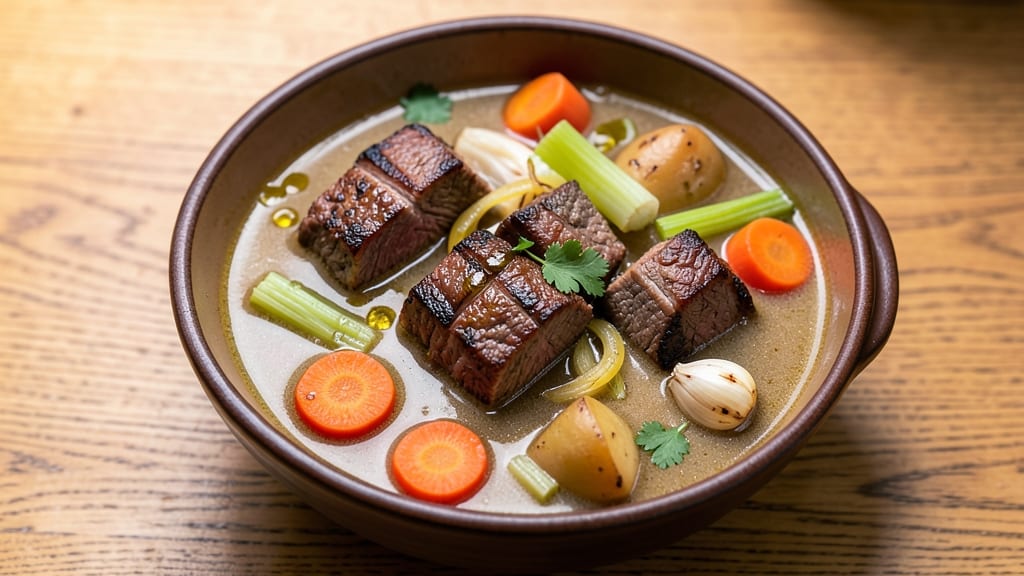
This classic vegetable beef soup recipe delivers the kind of comforting, hearty meal that warms you from the inside out—exactly what you need when temperatures drop.
The secret lies in browning the beef properly to develop deep, savory flavors, then simmering everything together until the broth becomes rich and the vegetables tender. I’ve perfected this method over years of testing, ensuring it’s both authentic and foolproof for home cooks.
The beauty of this soup is its simplicity—just a few pantry staples and 30 minutes of active prep time, followed by an hour of hands-off simmering.
You’ll start with a well-seasoned beef base, then layer in root vegetables like carrots and potatoes for natural sweetness, along with heartier options like celery and onions for depth. The result? A bowl of soup that’s naturally balanced, with every bite packed with umami and warmth.
What makes this recipe truly special is how it transforms tough cuts of beef into tender, flavorful pieces that practically melt in your mouth. The broth reduces to a velvety consistency, infused with the natural sweetness of the vegetables and the rich, meaty essence of the beef.
It’s the kind of soup that tastes even better the next day, making it perfect for meal prep or feeding a crowd.
Serve it with crusty bread to soak up every last drop of that aromatic broth, or pair it with a simple green salad for a complete, satisfying meal. This is comfort food at its finest—classic, hearty, and impossible to resist. Let’s get started!
Ingredients for classic vegetable beef soup
Pantry staples plus a few fresh veggies—this soup comes together with what you already have.
| Ingredient | Amount | Notes |
|---|---|---|
| Chuck Roast Beef 🥩 | 2 lb | Cut into 1-inch cubes, trimmed of fat |
| Yellow Onions 🧅 | 2 whole | Medium, chopped into 1/2-inch pieces |
| Carrots 🥕 | 4 medium | Whole, peeled and chopped into 1/2-inch rounds |
| Celery Stalk 🧆 | 4 whole | Chopped into 1/2-inch pieces |
| Russet Potatoes 🥔 | 3 medium | Peeled and cut into 1-inch cubes |
| Garlic Cloves 🧄 | 4 cloves | Minced, fresh preferred |
| Tomato Paste 🍅 | 2 tbsp | Smooth, no sugar added |
| Beef Broth 💧 | 6 cups | Low-sodium, homemade or quality store |
| Red Wine 🍷 | 1 cup | Dry, like Cabernet Sauvignon |
| Bay Leaves 🌿 | 2 whole | Fresh if available, dried otherwise |
| Thyme Sprigs 🌿 | 2 whole | Fresh, or 1 tsp dried thyme |
| Salt 🧂 | 1 ½ tsp | Diamond Crystal kosher salt |
| Black Pepper 🌶️ | 1 tsp | Freshly cracked |
| Olive Oil 🫒 | 2 tbsp | Extra-virgin, for browning |
The beef is non-negotiable for that deep, meaty flavor. Chuck roast is perfect—it’s affordable and stays tender when braised. Most grocery stores carry it pre-cut, but if you’re buying a whole roast, ask the butcher to cube it for you. Costco and Walmart usually have it at great prices, but check the sell-by date. The fresher the beef, the better it browns—look for bright red color, not grayish or slimy. For the veggies, Trader Joe’s has the best pre-chopped carrots and celery if you’re short on time, but whole is better for flavor.
No red wine? Substitute extra beef broth—just add 1/4 cup more. Fresh thyme is ideal, but dried works at half the amount. The tomato paste can be skipped if you’re avoiding it, but it adds that umami depth that makes this soup sing. For the potatoes, Yukon Golds work great too—they hold their shape better than Russets. If you’re using frozen veggies, thaw and drain them first to avoid watering down the broth. The carrots can be baby carrots if that’s what’s in the fridge, but whole carrots sweeten more as they cook.
This soup tastes even better the next day—3-4 days in the fridge, no problem. Freezes beautifully for up to 3 months, so make a double batch. I like to portion it into 4-6 containers for easy lunches. If you’re serving a crowd, double the broth and veggies—just keep the beef-to-broth ratio at 1:3. The leftovers reheat perfectly—just add a splash of water or broth if it’s too thick.
Why You'll Love This Recipe
- One-Pot Magic: The chuck roast practically melts into tender perfection while the veggies simmer together—no fancy techniques, just a big pot and patience. I swear, even if I’m distracted, this soup still turns out rich and hearty.
- Umami Bomb: That slow-cooked beef with onions caramelizing? Pure flavor gold. The carrots and celery add sweetness and bite, but the real star is the deep, savory broth—it’s the kind of taste that makes you sigh before you even take a bite.
- Leftovers That Shine: This soup only gets better the next day. I make a double batch on Sundays, and by Wednesday, the flavors have melded into something even more comforting. Freeze half if you’re not a glutton—though I’ve never lasted that long.
- Budget-Friendly Feast: Chuck roast stretches across meals, and the veggies are pantry staples. A single pot feeds four for under $15, and the leftovers? Still delicious enough to pretend it’s a restaurant meal. Honestly, it’s my go-to for stretching grocery money without sacrificing taste.
Step-by-step instructions for classic vegetable beef soup
Here's the method for a rich, comforting soup that builds flavor through slow simmering and layered ingredients.
Brown the Chuck Roast Beef in Olive Oil
Heat the 2 tablespoons olive oil in a large Dutch oven over medium-high heat until shimmering. Add the 2 lb chuck roast beef cut into 1-inch cubes, working in batches if needed to avoid crowding. Let the beef brown undisturbed for 3-4 minutes per side until developing a deep mahogany crust. This step is crucial—it creates the Maillard reaction that forms the soup's deep, meaty flavor foundation.
Once browned, remove the beef with a slotted spoon and set aside. You should have about 2-3 tablespoons of rendered fat remaining in the pot—this golden liquid is packed with flavor. If the pot appears dry, add another 1 tablespoon olive oil to maintain proper heat conduction for the next steps. Don't drain the fat; it's the secret to your soup's richness.
Sauté the Vegetable Base
In the same Dutch oven, add the 2 whole yellow onions chopped into ½-inch pieces, 4 medium carrots cut into ½-inch rounds, and 4 whole celery stalks chopped into ½-inch pieces. Cook over medium heat for 8-10 minutes, stirring occasionally, until the vegetables soften and the onions turn translucent. The vegetables should release their moisture and begin to caramelize slightly at the edges.
Add the 4 cloves minced garlic and cook for an additional 30 seconds until fragrant. Immediately stir in the 2 tablespoons tomato paste and cook for 1 minute to develop its deep umami flavor. This aromatic vegetable base forms the flavor backbone of your soup—don't rush this step or the flavors will remain raw. The tomato paste will darken slightly as it cooks, intensifying the soup's depth.
Deglaze and Build the Broth
Pour in the 1 cup red wine and scrape up any browned bits from the bottom of the pot with a wooden spoon. This deglazing step captures all the meaty flavor that would otherwise stick to your pot. Let the wine simmer for 3-4 minutes until reduced by half, allowing its alcohol to cook off and its fruity notes to meld with the vegetables.
Add the 6 cups beef broth, 2 whole bay leaves, and 2 whole thyme sprigs. Bring the mixture to a gentle boil, then reduce heat to medium-low and return the browned beef to the pot. The broth should now cover the beef by about 1 inch. Partially cover the pot and let it simmer for 1 hour, stirring occasionally. This initial simmering time allows the beef to tenderize and the flavors to begin melding together.
Add Potatoes and Simmer to Perfection
After the 1-hour simmer, add the 3 medium russet potatoes cut into 1-inch cubes. The potatoes should be fully submerged in the broth. Return the heat to medium-low and continue simmering for an additional 30-40 minutes, until the potatoes are fork-tender and the beef can be easily shredded with two forks. You'll know the soup is ready when the potatoes collapse under gentle pressure and the beef pulls apart cleanly.
Season with the 1½ teaspoons salt and 1 teaspoon freshly cracked black pepper. Taste the soup and adjust seasoning if needed—this is your final opportunity to balance the flavors before serving. The soup should be rich with meaty depth, brightened by the wine and vegetables, and properly seasoned throughout. Remove and discard the bay leaves and thyme sprigs before serving.
Serve Warm with Crusty Bread
Ladle the soup into bowls and serve immediately, accompanied by warm crusty bread. The soup should be thick enough to coat the back of a spoon but still have a proper broth consistency. Each bowl should contain tender beef that shreds easily, perfectly cooked vegetables, and a rich, well-seasoned broth that carries all the flavors together.
For best results, serve the soup while hot—this allows the aromas to rise and the flavors to truly shine. If you find the soup is too thick after cooling, simply stir in ½ cup hot water or beef broth to reach your preferred consistency. This classic vegetable beef soup delivers hearty satisfaction with every spoonful, making it perfect for chilly days or comforting meals with loved ones.
Pro Tips For Making Classic Vegetable Beef Soup
- Sear the Chuck First: DESCRIPTION: Brown that beef in batches—don’t crowd the pan. A deep, crusty sear locks in flavor and keeps the meat from turning mushy later. I used to skip this, and the soup always tasted bland. Two minutes per side, high heat, and don’t move it until it’s golden.
- Cut Potatoes Evenly: DESCRIPTION: Big chunks stay tough; tiny pieces dissolve. Aim for 1.5-inch cubes so they cook through without falling apart. Russets break easily—handle them gently, or they’ll turn to mush before the beef is tender.
- Salt the Water Generously: DESCRIPTION: The soup’s broth starts in the water. Use 1.5 tablespoons of salt per gallon—yes, even if you’re adding bouillon later. It seasons the veggies and beef as they cook, not just at the end.
- Simmer, Don’t Boil: DESCRIPTION: Keep the heat low enough that bubbles form slowly, not violently. Boiling toughens the beef and turns the carrots and celery to mush. A gentle simmer cooks everything evenly without wrecking the texture.
Regional styles of this recipe
French Rustic Tradition
The French take their beef vegetable soups to heart with a technique called pot-au-feu, which translates to "pot on the fire." This classic French soup uses beef shank instead of chuck roast for extra tenderness, and includes root vegetables like parsnips and turnips alongside the standard carrots and celery.
The French version often includes a bouquet garni—a bundle of herbs like parsley stems, thyme, and bay leaf—tied together for easy removal. I love adding 1 sprig fresh tarragon to mine for an anise-like depth that pairs beautifully with the beef.
Serve with a side of cornichons and a baguette for that authentic French bistro feel. 🥖
Italian Hearty Minestrone
In Italy, this soup transforms into minestrone alla bolognese, where the beef is often replaced with Italian sausage or pancetta, but you can keep the chuck roast for a rich twist.
The Italians load it up with white beans, zucchini, and kale, plus a splash of Parmigiano-Reggiano stirred in at the end. The key difference? A 14-ounce can of diced tomatoes (San Marzano if possible) simmered into the broth for a brighter acidity.
I like to finish with toasted pine nuts and a drizzle of extra-virgin olive oil for a touch of Mediterranean flair. 🍅
German Sunday Soup
German Rindfleischsuppe (beef soup) is a staple at family gatherings, often made with a mix of beef and pork for extra richness. The Germans take their vegetables seriously—expect to see leeks, rutabagas, and even sauerkraut in some variations.
A unique touch is adding 2-3 slices of black bread to the broth while simmering, which soaks up flavors and adds a subtle tang. The soup is traditionally served with buttered spaetzle or potato dumplings for a hearty, filling meal.
For authenticity, finish with a sprinkle of fresh dill and a dash of paprika. 🌽
American Homestyle Twist
In the U.S., this soup often becomes a country-style vegetable beef soup, where the beef is paired with corn kernels (fresh or frozen) and peas for a nod to Southern comfort food. The Americans also love adding ham hocks or smoked bacon for extra depth.
A common variation includes 1 cup of creamy corn stirred in during the final 10 minutes of cooking. For a Southern touch, serve with a side of buttermilk biscuits or a dollop of sour cream on top. This version is all about hearty, warming flavors—perfect for cold winter nights. 🏡
Spanish Cocido Madrileño Influence
Spain’s cocido madrileño is a multi-course meal starting with this rich beef soup, but simplified for home cooks. The Spanish version includes chorizo sausage, morcilla (blood sausage), and garbanzo beans for a robust flavor profile. The secret?
A 1 teaspoon smoked paprika added during the deglazing step to infuse the broth with smoky depth. Serve with crusty bread for dipping and a side of pickled red onions to cut through the richness. This version is all about bold, layered flavors that make it a showstopper. 🌶️
Nutrition facts
Frequently asked questions
Can I substitute chuck roast with another cut of beef?
Yes! For a leaner option, use sirloin tips or stew meat—just increase simmering time by 15-20 minutes to ensure tenderness. Avoid tough cuts like flank steak, as they won’t break down properly. If you prefer ground beef, brown it first and drain excess fat to keep the soup rich but not greasy.
How do I make this soup vegetarian?
Replace the beef with mushrooms (like cremini or portobello) and lentils for protein. Use vegetable broth instead of beef broth, and add 1 teaspoon soy sauce or miso paste for umami depth. The tomato paste and red wine still work beautifully—just reduce the wine to ½ cup to balance flavors.
Why is my beef still tough after simmering?
Tough beef usually means it didn’t simmer long enough or the cut wasn’t tenderized properly. For chuck roast, aim for at least 1.5 hours of simmering. If using a tougher cut, cut it into smaller pieces (½-inch cubes) and add 1 tablespoon apple cider vinegar to the broth—it helps break down fibers. Always brown the meat first to build flavor and tenderness.
Can I make this soup in an Instant Pot or slow cooker?
For the Instant Pot, brown the beef first, then sauté the veggies. Add all ingredients (except potatoes) and pressure cook for 45 minutes, then add potatoes and cook for 10 more minutes. In a slow cooker, combine everything (including potatoes) and cook on low for 6-7 hours or high for 3-4 hours. The slow cooker version needs extra time to tenderize the beef properly.
What’s the best way to reheat leftovers?
Reheat gently on the stovetop over medium-low heat, stirring occasionally, until piping hot (165°F). Avoid microwaving—it can make the broth watery. If the soup thickens too much, stir in 2-3 tablespoons of water or broth while reheating. Leftovers taste even better the next day! The soup keeps well in the fridge for 4-5 days or freezes for up to 3 months.