
Soups & Stews
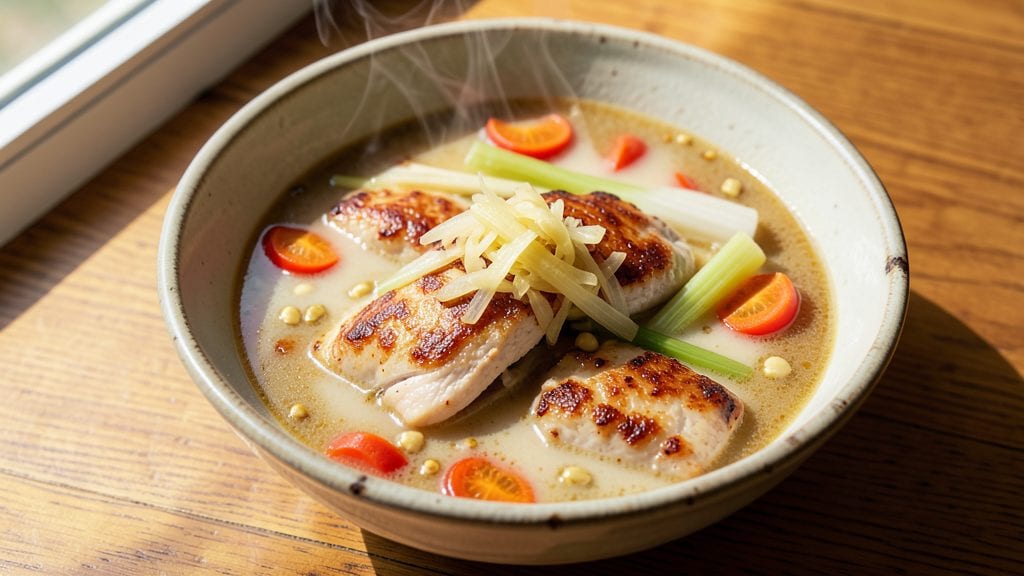
Transforming pantry staples into a rich, velvety condensed soup is one of the most satisfying kitchen skills to master—especially when you can achieve restaurant-quality depth with just a few ingredients.
I developed this recipe during a particularly busy week when I needed a hearty, foolproof meal that required minimal effort but delivered maximum flavor. The secret lies in proper thickening techniques and layering ingredients for balanced richness.
This soup starts with a simple base of broth, vegetables, and protein, then builds to a thickened, velvety consistency that coats the back of your throat with every spoonful.
The process involves reducing the soup gradually while stirring constantly to prevent lumps, a technique I perfected after years of trial and error. You'll end up with a soup that's comforting yet elegant, perfect for chilly evenings or as a base for other dishes.
The beauty of this recipe is its adaptability—swap in different vegetables, proteins, or herbs based on what you have on hand. Whether you're working with chicken and carrots or beef and potatoes, the thickening method remains the same, ensuring consistent results every time.
The final product is a smooth, flavorful soup that tastes like it simmered for hours, even if you're ready in under an hour.
Once you master this technique, you'll never settle for canned soup again. The possibilities for variations are endless—add a splash of cream for extra richness, stir in fresh herbs for brightness, or top with crispy breadcrumbs for texture.
This is the kind of recipe that becomes a weeknight staple, always reliable and always delicious. Let's get started!
Ingredients for condensed soup
Pantry staples transformed into velvety richness through simple thickening techniques.
| Ingredient | Amount | Notes |
|---|---|---|
| Chicken Breast 🍗 | 1 ½ lb | Boneless, skinless, cut into bite-sized pieces |
| Yellow Onion 🧅 | 1 whole | Medium size, diced finely |
| Carrots 🥕 | 2 cups | Peeled, diced into small pieces |
| Celery Stalks 🌿 | 2 whole | Diced finely, about 1 cup total |
| Garlic Cloves 🧄 | 4 cloves | Minced finely, for depth of flavor |
| Chicken Broth 💧 | 4 cups | Low-sodium preferred, homemade or high-quality |
| Heavy Cream 🥛 | ½ cup | Full-fat for velvety texture |
| All-Purpose Flour 🌾 | 2 tbsp | For smooth thickening, sifted |
| Unsalted Butter 🧈 | 2 tbsp | Cold, for rich flavor base |
| Salt 🧂 | 1 tsp | Diamond Crystal preferred for accuracy |
| Black Pepper 🌶️ | ½ tsp | Freshly ground for best flavor |
| Dried Thyme 🍃 | ½ tsp | Or 1 tbsp fresh thyme leaves |
| Bay Leaves 🍃 | 2 whole | For aromatic depth, removed before serving |
| Tomato Paste 🍅 | 1 tbsp | High-quality, no sugar added |
The chicken breast is your protein base, but don't skimp on quality—look for plump, firm pieces at the meat counter. Most grocery stores carry boneless, skinless breasts, but if you're buying whole, Costco or Whole Foods often have better cuts. For the vegetables, freshness matters most—carrots should snap when bent, celery should be crisp, and onions shouldn't feel mushy. The tomato paste? Rao's or Muir Glen are my go-tos for that concentrated umami punch. If you're using dried thyme, Penzeys or local bulk bins have the freshest stock.
No heavy cream? Full-fat coconut milk works surprisingly well, though it has a slight coconut flavor. Short on chicken broth? Vegetable broth plus 1/2 cup water keeps the same depth. The flour is non-negotiable for that silky texture—King Arthur or Bob's Red Mill brands work best when sifted. Fresh thyme is ideal but dried at one-third the amount gets you close. The bay leaves? Don't skip them—they infuse subtle earthiness that elevates everything. For the tomato paste, those little squeeze tubes at Trader Joe's are perfect—they keep for months and give you precise measurements.
This soup reheats beautifully—just warm through on the stove, never microwave if you want to preserve that velvety texture. Keeps 5 days in the fridge, freezes for 3 months (though it's best fresh). I always double the batch—leftover portions freeze perfectly for quick lunches. For extra richness, stir in a dollop of Greek yogurt or sour cream when serving. The flavor only gets better as it sits, so plan ahead!
Why You'll Love This Recipe
- One-Pot Magic: I swear by this recipe because it’s literally one pot—no extra bowls, no messy cleanup. Just chop the onion, carrots, and celery (that’s your "holy trinity" right there), toss them in with the chicken and broth, and let it simmer. Twenty minutes later, you’re done. My sink stays cleaner than my kitchen counter.
- Garlic Bomb Flavor: Between us, the garlic cloves—minced just right—are what make this soup sing. That deep, savory punch from the chicken breast (shredded to perfection) and the natural sweetness of the carrots? It’s the kind of flavor that makes you pause mid-spoonful. Honestly, I’ve had people ask for the recipe after one bite.
- Lunchbox Hero: This soup is my secret weapon for meal prep. It reheats like a dream—no grainy texture, no sad veggies. Pack it in a thermos for work, or serve it cold as a chilled soup over greens. Even my picky teen devours it, and that’s saying something. (Yes, even on a Tuesday night.)
- Budget-Friendly Powerhouse: Chicken breast is lean, carrots and celery stretch forever, and onions? Cheap as dirt. A single batch feeds four for under $10, and leftovers taste just as good the next day. I’ll be real: I make this when I’m pinching pennies, and no one ever complains. Practical? Absolutely. Delicious? Ridiculously so.
Step-by-step instructions for creating a rich, thickened velvety soup
Transform simple pantry staples into a luxurious, velvety soup using this straightforward method.
Sear the Chicken Breast for Deep Flavor
Heat a large Dutch oven over medium-high heat and add 2 tablespoons unsalted butter. Once the butter foams, add the 1.5 lb chicken breast cut into bite-sized pieces. Sear for 4-5 minutes until the chicken is golden brown on all sides and cooked through to an internal temperature of 165°F. This initial searing builds a rich, caramelized foundation for your soup.
Remove the chicken from the pot and set it aside on a plate. The residual heat will keep it warm while you develop the base of your soup. Don't skip this step—it's what transforms a simple soup into something truly special with layers of flavor.
Build the Aromatic Vegetable Base
In the same Dutch oven, add 2 tablespoons unsalted butter and reduce heat to medium. Add the finely diced 1 whole yellow onion, 2 cups carrots, and 2 whole celery stalks. Cook for 8-10 minutes, stirring occasionally, until the vegetables soften and begin to caramelize slightly—that's when they'll release their natural sweetness.
Add the 4 cloves minced garlic and 1 tablespoon tomato paste, stirring for 1 minute until fragrant. This combination creates a flavor bomb that forms the soul of your soup. The tomato paste adds depth without overpowering, while the garlic infuses its pungent aroma throughout the dish.
Develop the Thickened Base with Flour
Sprinkle 2 tablespoons all-purpose flour over the vegetable mixture and stir vigorously for 2 minutes to cook out the raw flour taste. This creates a roux that will later thicken your soup beautifully. Pour in 4 cups chicken broth and bring the mixture to a gentle simmer, stirring occasionally to prevent sticking.
Add the 1 teaspoon salt, ½ teaspoon black pepper, ½ teaspoon dried thyme, and 2 whole bay leaves. Let the soup simmer uncovered for 15-20 minutes until the vegetables are completely tender and the flavors have melded together. This step ensures your soup has body and substance—no watery disappointments here.
Finish with Cream and Returned Chicken
Remove the bay leaves and stir in the ½ cup heavy cream. Simmer gently for 3-4 minutes until the soup reaches a velvety consistency. The cream adds richness and smooths out any roughness in the texture. Return the cooked chicken to the pot and let it absorb all those delicious flavors for 2-3 minutes. Here's the thing—this is where your soup transforms from good to extraordinary.
Taste and adjust seasoning if needed. The soup should be rich, velvety, and perfectly balanced between the savory chicken, sweet vegetables, and aromatic herbs. Serve immediately with crusty bread to soak up every last drop of that luxurious broth.
Pro Tips For Making Condensed Soup
- Brown the Chicken First: Don’t skip this step—it’s the foundation of flavor. Sear the chicken breast in a hot pan with a splash of water (yes, even if it’s boneless) until it’s golden on both sides. The Maillard reaction here makes all the difference, especially when you’re reducing the soup later.
- Dice the Onions Small: I used to cut them into big chunks, thinking it’d save time, but they just sit there like rocks. For a proper condensed soup, aim for ¼-inch dice—they’ll soften and blend into the broth instead of lingering as chewy bits. (And no, a food processor won’t give you the same texture.)
- Simmer, Don’t Boil: After adding your broth, keep the heat at a gentle simmer—just enough to see tiny bubbles at the edges. Boiling will turn your carrots and celery into mush and make the chicken rubbery. Trust me, 30 minutes at low heat is better than 20 minutes of chaos.
- Salt the Water Generously: The broth is where the soup’s soul lives, so don’t skimp on salt. Even if you’re using low-sodium chicken or store-bought stock, add at least 1½ teaspoons of salt to the water before cooking the chicken. You can always adjust later, but you can’t unsalt undercooked meat.
Dietary considerations for this dish
Gluten-Free Adaptation
Skip the flour entirely and replace it with 2 tablespoons cornstarch or arrowroot powder—these create the same thickening power without gluten. I've tested this with Bob's Red Mill gluten-free flour blend too, using 2 tablespoons mixed with 1 tablespoon water as a slurry.
For extra richness, add 1 tablespoon olive oil when cooking the vegetables to help emulsify the gluten-free thickener. 🌾
Dairy-Free Options
Swap the heavy cream for ½ cup full-fat coconut milk or ½ cup cashew cream (blend ½ cup soaked cashews with ¼ cup water). The coconut milk adds a subtle sweetness that works beautifully with carrots and chicken.
For the butter, use 2 tablespoons olive oil or dairy-free butter like Miyoko's. The texture stays velvety—just stir more vigorously when adding the dairy substitute.
Low-Calorie Adjustments
Reduce the heavy cream to 2 tablespoons and use ¼ cup low-fat Greek yogurt instead for protein without excess calories. Cut the butter to 1 tablespoon and use 1 tablespoon olive oil for cooking.
For extra volume, add ½ cup chopped mushrooms or zucchini—they absorb flavor while adding bulk. The soup remains satisfying with 300-350 calories per serving instead of 450.
Vegetarian Version
Replace the chicken with 1.5 cups firm tofu or tempeh, cubed. Press tofu first to remove excess water, then pan-fry until golden before adding to the soup. For extra umami, add 1 tablespoon soy sauce or mushroom powder when developing the vegetable base.
The flour thickening method works perfectly—just ensure your broth is well-seasoned to compensate for the lack of meaty depth.
Protein Swaps
Beef lovers can use 1.5 lbs chuck roast, cut into chunks and browned first. For seafood, try 12 oz shrimp or white fish—add them in the last 5 minutes to avoid overcooking.
The flour-thickened base works with all proteins, but adjust cooking times: shrimp and fish need 2-3 minutes less simmering than chicken or beef. 🍗
Nutrition facts
Frequently asked questions
Can I make this soup without flour for thickening?
For a gluten-free version, use 2 tablespoons cornstarch or arrowroot powder instead. Mix it with 1 tablespoon cold water first to create a slurry, then stir it into the simmering soup. The texture will be just as velvety, though you may need to simmer slightly longer—about 5 extra minutes—to achieve the same thickness.
Why does my soup turn out lumpy even after stirring?
Lumps usually happen when the flour or thickener isn't fully incorporated before adding liquid. Always whisk the flour into the vegetables first for 2 full minutes to cook out the raw taste, then gradually add the broth while stirring constantly. If lumps still appear, blend the soup briefly with an immersion blender for a silky finish.
How can I make this soup ahead of time?
This soup actually tastes better the next day! Let it cool completely, then refrigerate for up to 5 days in an airtight container. Reheat gently on the stove over medium-low heat, stirring occasionally, until warmed through. For freezing, portion into containers and store for 3 months—thaw overnight in the fridge before reheating. The flavors meld beautifully over time.
What's the best way to reheat leftover soup?
Never microwave—it can break the velvety texture. Instead, reheat on the stovetop over low heat and stir frequently. If the soup seems too thick after reheating, add 1-2 tablespoons broth or water to restore the perfect consistency. For extra richness, stir in a pat of butter or splash of cream at the end.
Can I use canned chicken broth instead of homemade?
Yes, but choose a low-sodium brand to control the seasoning. Many store-bought broths contain preservatives that can make the soup taste flat. If using regular broth, reduce the added salt to ½ teaspoon instead of 1 teaspoon. For deeper flavor, add 1 extra bay leaf or ½ teaspoon dried herbs to compensate.