
Soups & Stews
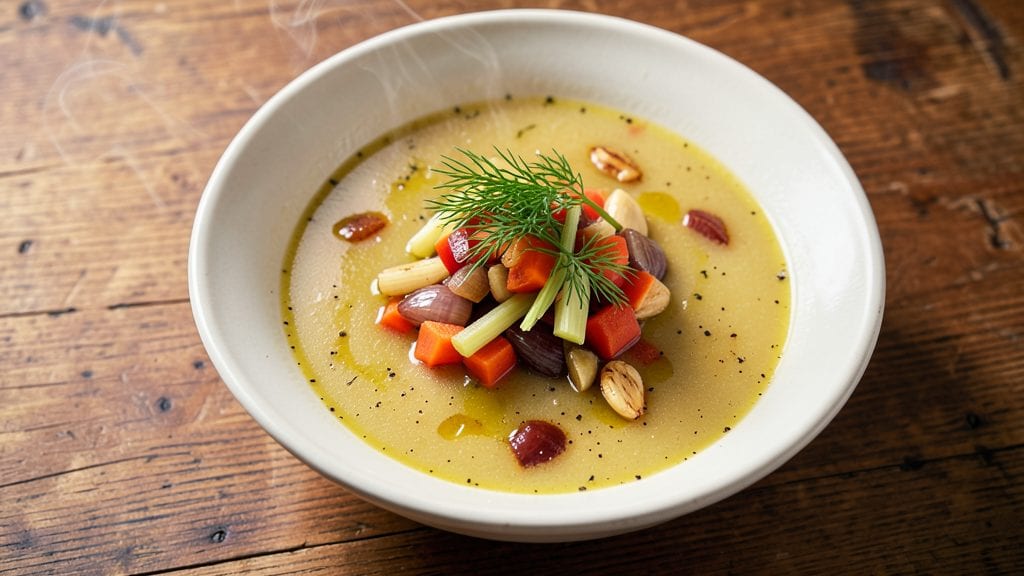
This Hippocrates soup recipe brings ancient Greek wisdom into your kitchen with every spoonful, blending time-honored healing ingredients into a hearty, one-pot wonder. Named after the father of medicine, this soup has nourished generations with its balanced flavors and wholesome nutrition.
The beauty lies in its simplicity—just a few seasonal vegetables, herbs, and olive oil working together to create comfort in a bowl.
What makes Hippocrates soup truly special is its adaptability—traditionally vegetarian, it can easily include meat or legumes for added protein. The slow simmering process allows flavors to meld beautifully, transforming humble ingredients into something deeply satisfying.
Whether you're following the classic version or adding your own twist, this soup delivers on both taste and tradition.
The result is a rich, aromatic broth filled with tender vegetables and fragrant herbs, offering warmth and nourishment in every bite. Perfect for chilly evenings or as a light yet filling meal, it's the kind of dish that feels both comforting and sophisticated.
Let's bring this ancient remedy to life in your kitchen.
With just a few simple ingredients and minimal effort, you'll create a bowl of history and healing. The soup's versatility makes it ideal for meal prep or serving guests—simply adjust the seasoning to your taste. Here's how to make it come together perfectly every time.
Ingredients for hippocrates soup
Seasonal vegetables and fragrant herbs—this ancient Greek healing soup comes together effortlessly.
| Ingredient | Amount | Notes |
|---|---|---|
| Extra-Virgin Olive Oil 🫒 | ¼ cup | High-quality, fruity variety |
| Yellow Onion 🧅 | 1 whole | Medium size, diced finely |
| Garlic Cloves 🧄 | 4 cloves | Freshly minced, peeled |
| Carrots 🥕 | 2 medium | Peeled, sliced into rounds |
| Celery Stalks 🌿 | 2 whole | Trimmed, chopped into pieces |
| Fresh Fennel Bulb 🍈 | 1 whole | Trimmed, sliced thinly |
| Roma Tomatoes 🍅 | 4 whole | Ripe, quartered |
| Fresh Parsley 🌿 | ¼ cup | Chopped, leaves only |
| Fresh Dill 🌿 | ¼ cup | Chopped, leaves only |
| Fresh Sage Leaves 🌿 | ¼ cup | Chopped, stems removed |
| Vegetable Broth 💧 | 4 cups | Low-sodium preferred |
| Dried Oregano 🌿 | 1 tsp | Mediterranean blend preferred |
| Sea Salt 🧂 | 1 ½ tsp | Diamond Crystal preferred |
| Black Peppercorns 🌶️ | ½ tsp | Freshly cracked |
| Optional Chicken Breast 🍗 | 1 lb | Boneless, skinless, cubed |
The vegetables are the soul of this soup. Farmers market finds always taste best—bright carrots, crisp fennel, and plump Roma tomatoes make all the difference. I grab mine from Whole Foods or my local Greek market, where they keep the fennel fresh and vibrant. The herbs? Fresh parsley, dill, and sage are non-negotiable—they give that signature Hippocrates aroma. If you can't find fresh fennel, celery root works in a pinch, but it won't have the same anise flavor. For the broth, low-sodium vegetable broth keeps the focus on the vegetables themselves.
No fresh herbs? Dried oregano at half the amount gets you close, but you'll miss that bright freshness. Short on fennel? Extra celery or a pinch of anise seeds adds depth. Want to keep it strictly vegetarian? Skip the chicken and add white beans or lentils for protein. The olive oil matters too—extra-virgin with peppery notes stands up to the herbs better than mild varieties. And if you're feeling adventurous, a splash of red wine vinegar at the end brightens everything up.
This soup tastes even better the next day as flavors meld. Store in an airtight container in the fridge for 4-5 days, or freeze portions for up to 3 months. I always double the batch—half for dinner, half for lunches. The broth reduces nicely when reheated, so add a splash of water if it gets too thick. Perfect for meal prep, especially when you're craving something both comforting and nourishing.
Why You'll Love This Recipe
- Pantry Staple Magic: I swear by this soup because it uses what’s already lurking in my fridge—no fancy shopping required. That golden carrot-celery base? It’s the kind of flavor that builds on itself, and the olive oil just ties it all together like a warm hug.
- Garlic Kiss: Between us, the garlic cloves here aren’t just for show—they’re roasted until they’re sweet and mellow, then blended right into the broth. That slow-cooked depth? It’s the secret weapon that makes this taste like a restaurant dish, not a weeknight throw-together.
- Lunchbox Hero: Honestly, this soup is my go-to for meal prep. Double the batch, and I’ve got hearty lunches for days—pack it cold or reheat it, and the flavors only get better. My kids even bring it to school (yes, even on a Tuesday).
- Budget-Friendly Powerhouse: Carrots, celery, onions—these are the ingredients that won’t break the bank, but they pack a punch. I’ve made this soup for five people for under $10, and it’s still the star of the table. Leftovers? They’re the best kind—tastier the next day.
Step-by-step instructions for Hippocrates soup
This ancient Greek healing soup comes together in one pot with layers of aromatic vegetables and herbs.
Sauté the Aromatic Vegetable Base
Heat the 0.25 cup extra-virgin olive oil in a large Dutch oven over medium heat. Add the 1 whole yellow onion, 2 medium carrots, 2 whole celery stalks, and 1 whole fresh fennel bulb, all chopped into small, even pieces. Cook for 8-10 minutes, stirring occasionally, until the vegetables soften and the onion becomes translucent.
Here's the thing—fennel can be tricky because of its licorice-like flavor. To balance it, add the 4 cloves garlic cloves and cook for another 2 minutes until fragrant. The garlic should smell pungent but not burn. If you're using the 1 lb optional chicken breast, cut it into 1-inch cubes and add it now, cooking for 3-4 minutes until lightly browned. This step builds the flavor foundation of the soup.
Add Tomatoes and Herbs for Depth
Stir in the 4 whole roma tomatoes, quartered, along with the 1 tsp dried oregano, 1.5 tsp sea salt, and 0.5 tsp black peppercorns. Cook for 5-7 minutes until the tomatoes break down and release their juices. The mixture should look thickened and slightly jammy—this is where the soup starts to develop its signature richness.
Next, add the 0.25 cup fresh parsley, 0.25 cup fresh dill, and 0.25 cup fresh sage leaves, all chopped. Stir well and cook for 2 minutes to let the fresh herbs infuse the vegetables. The aroma should be vibrant and earthy—this is your cue that the herbs are releasing their essential oils. If the mixture starts to stick, add a splash of the 4 cups vegetable broth to deglaze the pot.
Simmer the Soup to Perfection
Pour in the 4 cups vegetable broth and bring the soup to a gentle simmer. If you're using the chicken, let it cook for 15-20 minutes until fully tender. For a vegetarian version, skip the chicken and simmer the soup for 20-25 minutes until all the vegetables are tender and the flavors meld together. The soup should be thick but still spoonable—adjust the broth if it's too thin or too thick.
Taste and season again with more salt or pepper if needed. The key here is balance—you want the fennel, dill, and sage to shine without overpowering the vegetables. Once the soup reaches your desired consistency, remove it from heat and let it rest for 5 minutes. This resting period allows the flavors to settle and the soup to thicken slightly, ensuring each spoonful is packed with depth.
Serve Warm with Fresh Herbs
Ladle the soup into bowls and garnish with additional fresh herbs if desired. The soup should be warm and aromatic, with a velvety texture that coats the back of your throat. Serve it immediately while the flavors are at their peak. This ancient Greek remedy is not just nourishing but also deeply comforting, perfect for any meal.
If you're feeling adventurous, pair it with crusty bread to soak up every last drop of that healing broth. The combination of the optional chicken, if used, adds protein, while the vegetables and herbs provide a symphony of nutrients—just as Hippocrates might have intended.
Pro Tips For Making Hippocrates Soup
- Sweat, Don’t Burn: DESCRIPTION: Hippocrates soup starts with onions and garlic that need to soften, not char. Keep the heat medium-low and stir every 30 seconds—yes, even if you’re impatient like me. If they turn brown too fast, you’re cooking too hot, and the soup will taste bitter. Think "gentle caramel," not "smoky campfire."
- Dice Celery Small: DESCRIPTION: I used to cut celery in big chunks, thinking it’d save time. Wrong. Tiny dice (about ¼-inch) release flavor faster and blend smoothly into the broth. If you’re lazy, pulse it in a food processor—but don’t skip this step entirely. The texture matters.
- Add Carrots Last: DESCRIPTION: Carrots take longer to soften than onions or celery. If you toss them in at the start, they’ll turn to mush by the time the garlic is fragrant. Wait until the onions are translucent and the celery has released its aroma, then add the carrots. That way, they’ll cook just enough to sweeten the broth without falling apart.
- Use Garlic’s Skin: DESCRIPTION: Sounds weird, but it works: After mincing the garlic, leave the papery skins in the pan. They add depth to the oil and prevent burning. Just scrape them out before adding the broth. I was skeptical until I tried it—now it’s non-negotiable for me.
Common mistakes when making your hippocrates soup
Skipping the Sauté
One of the most common mistakes is rushing the sauté step. If you don’t cook the vegetables long enough—especially the onion and fennel—they’ll release bitter flavors instead of sweet, caramelized notes.
I’ve seen people skip this step entirely, thinking it’s not essential, but those 8-10 minutes of cooking build the soup’s foundation. Use a Dutch oven for even heat distribution and stir occasionally to prevent burning. 🌡️
Overcrowding the Pot
Adding all the ingredients at once can lead to steaming instead of browning, which dulls the flavors. I’ve made this mistake myself—dumping everything in and ending up with a watery, bland soup. Instead, cook the vegetables in batches if needed, or use a larger pot.
The goal is to develop a rich, jammy base before adding liquid. This ensures the fennel and garlic infuse properly without losing their depth.
Ignoring the Resting Time
Many people can’t resist serving the soup immediately after simmering, but this is a big mistake. Letting the soup rest for 5 minutes off the heat allows the flavors to meld and the broth to thicken naturally.
I’ve noticed that skipping this step often results in a thinner, less cohesive soup. The resting time also helps the vegetables absorb more of the aromatic oils from the herbs. Patience here makes all the difference.
Using Low-Quality Broth
The broth is the soul of Hippocrates soup, so using a high-sodium or low-quality version can ruin the balance. I’ve tasted soups made with store-bought broth that had a metallic aftertaste, overshadowing the delicate herbs.
Opt for a low-sodium vegetable broth—brands like Pacific Foods or Imagine are great choices. If you’re feeling ambitious, make your own broth from vegetable scraps for even deeper flavor.
Overcooking the Herbs
Fresh herbs like parsley, dill, and sage should be added toward the end of cooking to preserve their bright flavors. I’ve seen people add them at the beginning, which turns the soup bitter and grassy.
Stir them in for just 2 minutes before adding the broth to let their essential oils infuse without overpowering. The last thing you want is a bowl of herbal tea disguised as soup!
Skipping the Taste Test
Many recipes assume you’ll know when the soup is seasoned perfectly, but Hippocrates soup requires a final taste check. I’ve made batches that needed more salt, others that needed a splash of lemon juice to brighten the flavors.
Always taste before serving and adjust with sea salt or a pinch of red wine vinegar if needed. The goal is balance—herbs should shine, but the vegetables and broth should still take center stage. 💡
Nutrition facts
Frequently asked questions
What makes Hippocrates soup different from other Greek vegetable soups?
The key lies in its herbal-forward profile and historical roots. This soup features a trinity of fresh herbs (parsley, dill, sage) that create its signature aromatic depth, plus the distinctive licorice notes from fennel. Unlike simpler vegetable soups, it was traditionally prepared as a healing remedy, balancing flavors to support digestion and vitality. The slow simmering process allows these ingredients to meld into a harmonious broth that's both comforting and complex.
Can I make this soup without fennel?
Yes, but you'll lose the signature anise-like depth that defines the soup. For a substitute, try 1 extra celery stalk or ½ teaspoon ground anise seeds (use sparingly). Another option is to add ½ teaspoon fennel extract (available in specialty stores) to capture the flavor without the vegetable. The fennel's licorice notes balance the earthy herbs, so any replacement should complement rather than compete with the other flavors.
How can I make this soup more substantial for a hearty meal?
Add protein sources like chicken breast (1 lb), white beans (1.5 cups), or lentils (1 cup) during the simmering stage. For extra richness, stir in 1 cup crumbled feta cheese at the end or serve with crusty bread. The soup's natural thickness from reduced broth makes it satisfying even without additions, but these options create a more filling meal—especially important during colder months when warmth is essential.
Why does my Hippocrates soup taste bitter?
Bitterness usually comes from overcooked herbs or undercooked fennel. Add fresh herbs only in the last 2 minutes of cooking, and ensure the fennel is sliced thinly and cooked just until tender (not mushy). Another common cause is using low-quality broth—opt for low-sodium vegetable broth and consider making your own from scratch. If bitterness persists, balance it with a splash of lemon juice or extra salt before serving.
Is Hippocrates soup gluten-free?
The traditional recipe contains no gluten ingredients. Just ensure your vegetable broth is certified gluten-free (some brands use wheat-based thickeners). The soup's base of vegetables, herbs, and olive oil makes it naturally gluten-free, perfect for those avoiding gluten while still enjoying a flavorful, nourishing meal. Always double-check ingredient labels when using store-bought broths to maintain dietary safety.