
Soups & Stews
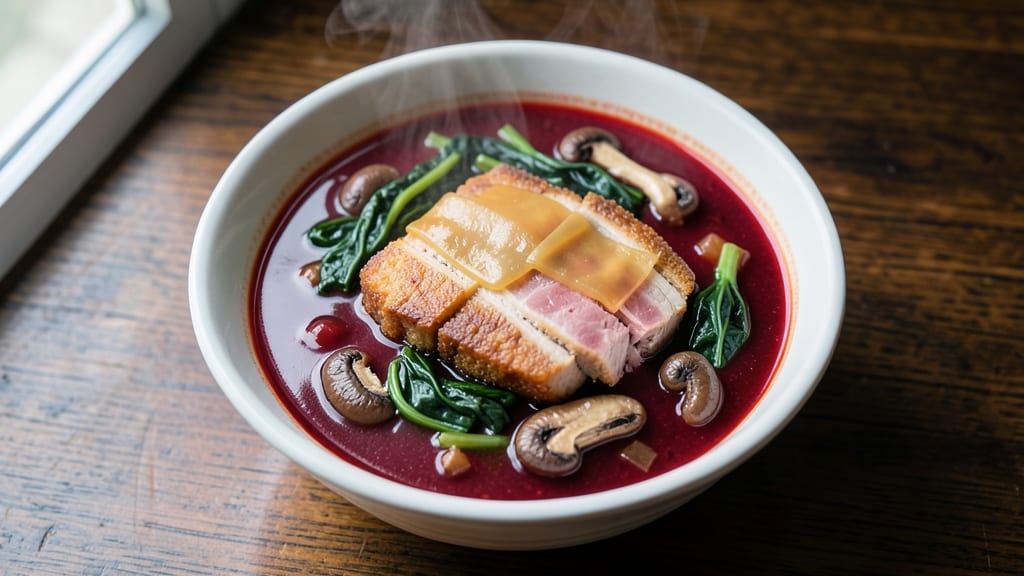
This Hong Kong-style borscht soup recipe reveals how to craft a bold, umami-rich twist on the classic, blending fermented beet richness with Cantonese warmth. Unlike its sour Russian cousin, this version embraces slow-braised pork, fermented bean paste, and lard for a deeply savory profile that lingers on the palate.
The secret lies in the long simmering process that develops complex layers of flavor while keeping the broth velvety smooth.
What sets this recipe apart is its regional adaptation—less acidic, more savory, with ingredients like fermented bean paste (hong dou fu) and preserved mustard greens that add tangy brightness without overwhelming the dish.
The pork belly is rendered until crispy, then shredded for texture contrast, while the beets are fermented to concentrate their natural sweetness. This isn’t just soup; it’s a comforting, hearty meal that feels like a hug in a bowl.
The result is a deep ruby-red broth infused with pork aroma, where every spoonful delivers a harmony of earthy beets, smoky pork, and fermented depth.
Garnish with crispy pork bits, pickled vegetables, and a drizzle of chili oil for that signature Hong Kong touch—bold, balanced, and impossible to resist. Ready in about 2 hours (mostly hands-off simmering), this recipe proves tradition can be both nostalgic and innovative.
Perfect for cold evenings or as a centerpiece for gatherings, this borscht adapts beautifully to other Cantonese-inspired dishes. The broth freezes well, making it ideal for meal prep, while the crispy pork topping adds a satisfying crunch that elevates every bite. Let’s bring this umami-rich classic to your table.
Ingredients for hong kong style borscht soup
Fermented beets, slow-braised pork, and umami-rich lard create this Cantonese-inspired borscht's signature depth.
| Ingredient | Amount | Notes |
|---|---|---|
| Pork Belly 🥓 | 1 ½ lb | Skin-on, cut into 1-inch cubes |
| Fermented Beets 🍠 | 1 lb | Pickled or fermented, drained |
| Fermented Bean Paste (Hong Dou Fu) 🍗 | ½ cup | Traditional Cantonese fermented bean |
| Lard 🧈 | ¼ cup | Rendered, for deep frying pork |
| Preserved Mustard Greens 🥬 | ½ lb | Sliced, for tangy brightness |
| Dried Shiitake Mushrooms 🍄 | ¼ lb | Rehydrated, sliced |
| Garlic Cloves 🧄 | 8 cloves | Minced, aromatic foundation |
| Ginger Root 🌿 | 2 tbsp | Freshly grated, aromatic balance |
| Dried Tangerine Peel 🍊 | 1 tbsp | For subtle citrus aroma |
| Soy Sauce 🥄 | ¼ cup | Dark soy for color depth |
| Chili Oil 🌶️ | ¼ cup | Homemade or store-bought |
| Green Onions 🧅 | ½ cup | Sliced, for garnish |
| Salt 🧂 | 1 ½ tsp | Diamond Crystal preferred |
| White Pepper 🌶️ | ½ tsp | Freshly ground for warmth |
| Chicken Broth 💧 | 6 cups | Homemade or high-quality store |
The pork belly is non-negotiable—its marbled fat renders into the broth, creating a velvety texture. Look for thick-cut pieces with visible fat marbling from Whole Foods or your local butcher. If using pre-cut pork belly, ensure the skin remains intact for crispy rendering. The fermented beets should be deep purple with a tangy aroma; Asian grocery stores carry these in jars or bags, often labeled as 'pickled beets' or 'fermented beets.' Avoid overly sour varieties—they'll dominate the dish's flavor profile. For the fermented bean paste, Hong Kong-style dou fu (like Lee Kum Kee) is ideal, though any fermented bean paste will work.
No pork belly? Pork shoulder or chicken thighs can substitute, though texture will differ. Substituting fermented beets? Pickled red cabbage at half the amount adds acidity but lacks the sweet depth. The lard is crucial for authentic texture—leaf lard from specialty stores is best, but bacon fat in a pinch works. For preserved mustard greens, Chinese preserved vegetables from Asian markets are perfect; if unavailable, pickled mustard greens from the deli section suffice. The dried shiitake mushrooms should be rehydrated in warm water, not boiling, to preserve their texture. For a quicker prep, fresh shiitake mushrooms can replace them, but flavor will be milder.
This soup rewards patience—simmering for at least 2 hours develops its complex flavor profile. Store the broth in airtight containers for up to 5 days in the refrigerator or 3 months frozen. The crispy pork bits can be prepped ahead and stored separately, reheating in a dry skillet until crispy again. Garnish with green onions and a drizzle of chili oil just before serving to maintain texture. Leftovers reheat beautifully, with flavors deepening further upon second day.
Why You'll Love This Recipe
- Pantry Powerhouse: I swear by this soup because it’s built from ingredients I already have—no last-minute grocery runs. The fermented beets and Hong Dou Fu add depth instantly, so even if I forget to thaw the pork belly, the broth still sings.
- Umami Bomb: That pork belly and lard combo? Rich, but not heavy. The preserved mustard greens cut through with a tangy bite, while the fermented bean paste adds a funky, savory punch that lingers. It’s the kind of flavor that makes you pause mid-sip.
- Weeknight Workhorse: This soup is my go-to when I’m feeding a crowd or just myself. Simmer it for an hour, and it gets better overnight—ideal for meal prep. Serve it with steamed rice or noodles, or even as a base for dumplings. (Yes, even on a Tuesday night.)
- Leftovers That Win: The first batch is always the best, but the second? Just as good. The flavors meld even more, and the broth thickens into something heartier. I freeze portions too—thaw, reheat, and it’s like making fresh soup. Budget-friendly? Absolutely. Waste-free? Even better.
Step-by-step instructions for Hong Kong-style fermented beet soup
This method transforms bold Cantonese flavors into a deeply umami-rich broth with perfect texture contrasts.
Render Pork Belly and Build the Aromatic Base
Heat the 0.25 cup lard in a large stockpot over medium-low heat until shimmering. Add the 1.5 lb pork belly, skin-side down, and render for 15 minutes without stirring until the fat releases and the meat develops a deep golden crust. Here's the thing—resist the urge to move it early; that initial crust is your flavor anchor.
Once the pork releases easily from the pot, flip the cubes and continue cooking for another 10 minutes until all surfaces develop color. Remove the pork and set aside. In the same pot, add the 8 cloves minced garlic cloves and 2 tbsp freshly grated ginger root, cooking for 1 minute until fragrant. Add the 1 tbsp dried tangerine peel and toast for 30 seconds to release its citrusy aroma.
Develop the Fermented Umami Foundation
Return the pork belly to the pot and add the 1 lb fermented beets (drained), 0.5 cup fermented bean paste (hong dou fu), and 0.25 cup soy sauce. Stir well to combine and let simmer for 10 minutes over medium heat, allowing the fermented elements to meld. The soup should develop a rich, tangy aroma—this is where the authentic Cantonese depth emerges.
Add the 6 cups chicken broth and bring to a gentle boil. Reduce heat to low and simmer for 20 minutes, skimming any foam that rises to the surface. This step ensures a clean, flavorful broth without cloudiness. The pork should now be tender when pierced with a fork.
Incorporate Vegetables and Season
Add the 0.5 lb preserved mustard greens (sliced) and 0.25 lb rehydrated dried shiitake mushrooms (sliced) to the simmering broth. Cook for 8 minutes until the greens wilt and mushrooms soften. The preserved mustard greens will add a bright, tangy contrast to the rich pork and fermented beets.
Stir in the 1.5 tsp salt and 0.5 tsp white pepper, adjusting to taste. The salt should enhance the fermented flavors without overpowering them. Simmer for an additional 5 minutes to allow the seasoning to fully integrate. The soup should now have a complex balance of umami, tang, and subtle sweetness.
Finish with Chili Oil and Garnish
Remove the pot from heat and stir in the 0.25 cup chili oil until evenly distributed. The oil should coat the broth, adding a subtle heat and glossy sheen. Return the soup to low heat for 2 minutes to warm through without boiling.
Ladle the soup into bowls and garnish each serving with 0.5 cup sliced green onions. The green onions provide a fresh, crisp contrast to the rich, fermented broth. Serve immediately while the pork remains tender and the aromatics are at their peak. This soup tastes even better the next day as the flavors continue to develop.
Pro Tips For Making Hong Kong Style Borscht Soup
- Render Pork Belly First: Cut the pork belly into 2-inch chunks and render it in a cold pot—no oil needed. Once the fat starts melting (around 10 minutes on medium-low), the meat will release its own flavor, and you’ll end up with a rich, golden broth instead of a greasy mess. I learned this the hard way after burning the first batch trying to rush it.
- Rinse Fermented Beets: Fermented beets are salty and sour—rinse them under cold water before chopping to cut the acidity. Skip this, and your soup will taste like a science experiment gone wrong. (Yes, even if the jar looks clean, trust me.)
- Bloom Hong Dou Fu: Toast the fermented bean paste in the lard over low heat for 3-4 minutes until it smells nutty and fragrant. This step unlocks its depth—skip it, and you’ll just get a vague, bitter aftertaste. (Your nose knows.)
- Simmer Preserved Greens Last: Add the preserved mustard greens only in the final 5 minutes of cooking. They’re tough and bitter when overcooked, but when they just wilt and soften slightly, they bring the perfect tangy crunch. (No one wants mushy greens in their borscht.)
Creative variations of this recipe
Fermented Beet Twist
Swap traditional beets for fermented beets to unlock Hong Kong-style depth. These tangy, sweet beets (found in Asian markets) replace raw beets entirely—simmer 1 lb drained fermented beets with the pork and broth from the start.
Their natural acidity balances the richness without needing vinegar. For extra umami, add 1 tbsp fermented black beans alongside the fermented bean paste. 🍠
Crispy Pork Topping
After simmering the pork belly, remove the cubes and render them in lard until deep golden and crispy—this is key for texture contrast. I use a wire rack over a baking sheet to drain excess fat while crisping at 375°F for 15 minutes.
Garnish each bowl with 2-3 crispy pork bits for that signature Hong Kong crunch. Store extra bits in the freezer for quick garnishes later. 🥓
Chili Oil Variations
Customize the heat with these chili oil swaps: Use Sichuan chili oil for nutty, fiery depth (stir in 1 tsp at the end), or Shaoxing wine-infused chili oil for a sweeter, aromatic finish.
For a smoky twist, add ½ tsp toasted sesame oil to the chili oil before drizzling. I like Lee Kum Kee chili crisp for its balanced heat and umami. 🌶️
Vegetable Swaps
Preserved mustard greens are non-negotiable for authenticity, but need a substitute? Try pickled radishes (½ lb, sliced) for crunch or bok choy (½ head, chopped) for a milder green note.
For mushrooms, oyster mushrooms (½ lb) add a meaty texture—just sauté them first with 1 tsp soy sauce before adding to the broth. 🥬
Winter Comfort Version
Boost warmth by adding 1 cup braised daikon radish (simmered with the broth) and ½ cup shredded napa cabbage in the last 5 minutes of cooking. Finish with 1 tsp toasted sesame seeds and a sprinkle of white pepper for a cozy, Cantonese-inspired twist.
This version feels like a hug on colder days. ❄️
Spicy Fermented Bean Paste
For extra heat, blend ½ cup fermented bean paste with 1 tbsp gochujang (Korean chili paste) before adding it to the broth. This fusion technique adds a sweet-spicy kick that pairs perfectly with the fermented beets. Adjust to taste—start with ½ tsp gochujang if you’re sensitive to heat. 🔥
Nutrition facts
Frequently asked questions
Why does this Hong Kong-style borscht taste so different from traditional Russian borscht?
The key difference lies in the fermented ingredients and umami-building techniques. Traditional Russian borscht relies on vinegar for sourness and sour cream for richness, while this version uses fermented beets and hong dou fu (fermented bean paste) for a deeper, tangy-savory profile. The slow-braised pork belly and lard add fat-soluble flavors that create a velvety texture, replacing the lighter broth of Russian versions.
Can I make this soup without lard? What's the best substitute?
Yes! While lard adds authentic texture, you can substitute with bacon fat (rendered from thick-cut bacon) or duck fat for a similar richness. For a lighter option, use avocado oil or neutral vegetable oil, though the flavor won't be as deep. The crispy pork topping will still work—just render it in your chosen fat instead.
How do I store and reheat leftovers without ruining the crispy pork topping?
Store the broth and pork separately in airtight containers for up to 5 days in the fridge. Reheat the broth gently on the stovetop, then crisp the pork fresh in a dry skillet over medium-high heat for 2-3 minutes per side. For freezer storage, freeze broth components (without pork) for up to 3 months, and crisp pork topping separately when ready to serve.
What's the secret to balancing the fermented flavors if they taste too strong?
Start by adding 1 extra cup of chicken broth to dilute concentrated flavors. For brightness, stir in 1 tbsp rice vinegar or 1 tsp sugar to mellow the tang. The preserved mustard greens and green onions also help balance—add them later in cooking to preserve their freshness. Taste as you go: fermented flavors develop more depth when reheated, so adjust while warm.
Can I make this a vegetarian version? What would I substitute?
Replace pork with mushroom stems (soaked in soy sauce) or smoked tofu for umami. Use vegetable broth and add 1 tbsp miso paste to deepen flavor. For texture, crisp tempeh or breaded tofu in lard (or oil) to mimic the pork topping. The fermented beets and bean paste remain vegetarian-friendly.