
Sauces & Condiments
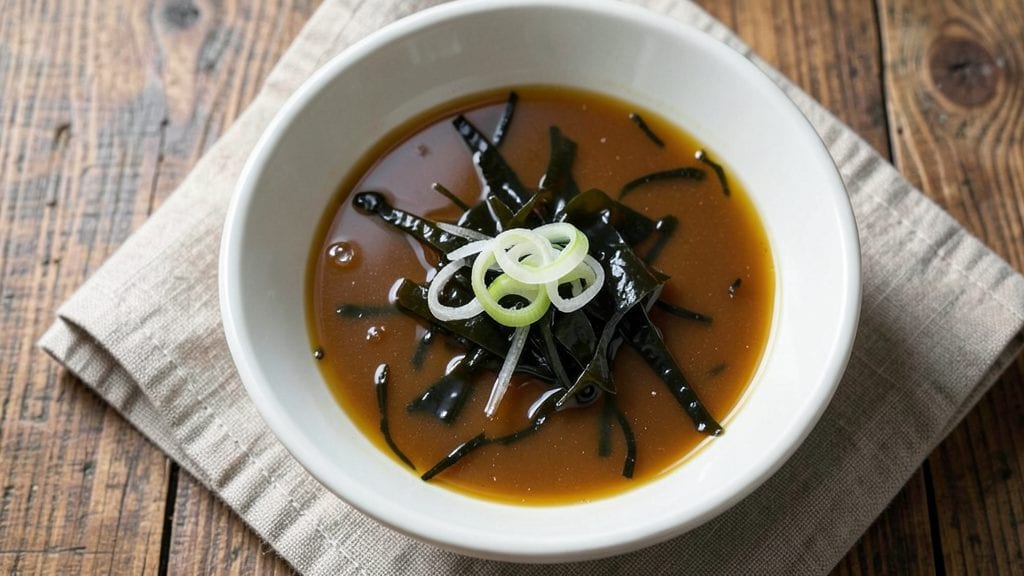
Creating a rich, umami-packed Kikkoman Hon Tsuyu soup base transforms simple ingredients into a Japanese pantry staple that elevates everything from noodles to grilled dishes. This recipe delivers the same depth you'd find in traditional Japanese cooking—just with a simplified method that works in any home kitchen.
The balance of soy sauce, dashi, and mirin creates that signature savory-sweet harmony that makes this sauce so beloved.
What makes this recipe special is how it captures the essence of Hon Tsuyu without requiring hard-to-find ingredients. We're using pantry staples like Kikkoman soy sauce, dashi powder, mirin, and sugar to build layers of flavor through gentle simmering and reduction.
The process is straightforward but precise—no guesswork, just reliable results that taste like you've been making this for years. It takes about 20 minutes of active time and yields enough sauce to last for weeks in the fridge.
The result is a smooth, glossy soup base that's perfect for slurping up ramen, drizzling over hot rice, or even using as a marinade for meats. The umami richness comes through in every drop, with just enough sweetness to balance the saltiness.
What's more, this sauce keeps beautifully in the refrigerator for up to two weeks, so you can make a big batch and use it throughout the month without worrying about waste.
Once you've mastered this base, the possibilities are endless—turn it into miso soup, use it as a glaze for fish, or even incorporate it into Western dishes for an unexpected flavor boost. Here's how to make it, step by step.
Ingredients for kikkoman hon tsuyu soup base
Pantry staples and a few Japanese essentials create this umami-rich soup base.
| Ingredient | Amount | Notes |
|---|---|---|
| Kikkoman Soy Sauce 🥫 | ½ cup | Regular or reduced-sodium variety |
| Dashi Powder 🍜 | 2 tbsp | High-quality bonito-based preferred |
| Mirin 🍶 | ¼ cup | Sweet cooking rice wine |
| Granulated Sugar 🍚 | ¼ cup | White or light brown sugar |
| Water 💧 | 1 ½ cups | Filtered preferred for clarity |
| Kombu Seaweed 🍃 | 1 piece | Dried, 4x6-inch sheet |
| Bonito Flakes 🐟 | 1 tbsp | For dashi infusion |
| White Wine Vinegar 🍷 | 1 tbsp | Balances sweetness |
The soy sauce and mirin are the flavor anchors here. Kikkoman soy sauce delivers that authentic depth, while mirin adds the signature sweetness. For the dashi powder, Hondashi or Marukome brands are excellent choices—look for bonito-based for maximum umami. The kombu seaweed sheet is non-negotiable for authentic flavor; Japanese specialty stores carry these dried sheets, or check the Asian foods aisle at larger grocery stores. If you can't find kombu, dashi powder alone works but lacks complexity. The sugar should dissolve completely—stir well to prevent graininess in the final sauce.
No mirin? Substitute 1 tbsp sugar plus 1 tbsp water for the same sweetness level. Running out of bonito flakes? Dried shiitake mushrooms at half the amount add earthiness. The white wine vinegar is optional but enhances brightness—rice vinegar works too. For a vegetarian version, skip the bonito flakes and use only kombu with dashi powder. The sauce reduces significantly, so start with these amounts and adjust to your desired consistency. If it's too thick, add water 1 tbsp at a time until smooth.
This sauce keeps beautifully in an airtight container in the fridge for 2-3 weeks. The flavors actually deepen over time, so making a big batch is ideal. For long-term storage, freeze in ice cube trays—perfect for single-use portions. Once opened, store the kombu sheet wrapped in damp paper towels in the fridge for up to 1 week. The bonito flakes lose potency after opening, so use them within a few days or store in the freezer. Always bring the sauce to room temperature before using to prevent cloudiness.
Why You'll Love This Recipe
- Five-Ingredient Magic: I swear by this combo—just soy sauce, dashi powder, mirin, sugar, and water. No chopping, no fuss, and no excuses to skip dinner.
- Umami Bomb: That first sip? Pure savory satisfaction. The Kikkoman soy sauce and dashi powder work together like a flavor power couple, while the mirin adds just enough sweetness to make it irresistible.
- Soup Base Swiss Army Knife: Turn it into ramen, stir-fry sauce, or even a glaze for grilled fish. Honestly, I’ve used it for everything from quick noodles to braising meat—it’s my culinary multitool.
- Pantry Staple Savior: A big batch keeps for weeks in the fridge, and it costs pennies per serving. Between us, this is how I feed my family well without breaking the bank or spending hours in the kitchen.
Step-by-step instructions for Kikkoman hon tsuyu soup base
This simple method delivers rich, umami-packed hon tsuyu in minutes—perfect for ramen, sukiyaki, or quick soups.
Prepare the Kombu and Bonito Dashi
Place the 1 piece kombu seaweed in a small saucepan with 1.5 cups water. Bring to a gentle simmer over medium heat until small bubbles form around the edges—about 5 minutes. Remove from heat and let steep for 10 minutes to infuse the water with kombu's deep, oceanic flavor.
While the kombu steeps, toast the 1 tablespoon bonito flakes in a dry skillet over medium heat for 30 seconds until they release their aroma. Immediately add them to the kombu water and simmer for 2 minutes. This creates a light, delicate dashi base that forms the foundation of hon tsuyu.
Combine Core Ingredients
In a separate bowl, whisk together the 0.5 cup Kikkoman Soy Sauce, 0.25 cup mirin, and 0.25 cup granulated sugar until fully dissolved. The mirin will help balance the saltiness while adding subtle sweetness. Strain the kombu-bonito mixture through a fine-mesh sieve into the bowl, pressing gently on the kombu to extract all the flavor.
Discard the kombu—it's served its purpose. The strained liquid should be a rich amber color with a smooth, slightly viscous texture. If any bonito flakes remain, remove them for a completely smooth base.
Simmer and Balance Flavors
Return the combined mixture to the saucepan and bring to a gentle simmer over low heat. Simmer uncovered for 10 minutes, stirring occasionally, until slightly reduced and glossy. This step deepens the flavors and creates that signature velvety consistency.
Taste and adjust seasoning if needed. For more depth, add 1 tablespoon white wine vinegar and simmer for another 2 minutes. The vinegar brightens the flavors and prevents the sugar from crystallizing during storage.
Cool and Store Properly
Remove from heat and let cool to room temperature. Hon tsuyu should thicken slightly as it cools—this is normal. Transfer to a clean glass jar and refrigerate. When stored properly, this base keeps for up to 2 weeks, though it's best used within 1 week for maximum freshness.
To use, simply dilute 1 tablespoon of hon tsuyu with 1 cup hot water for instant soup, or use as a seasoning for noodles, grilled fish, or stir-fries. The ratio can be adjusted to taste—more base for richer flavor, less for a lighter touch.
Pro Tips For Making Kikkoman Hon Tsuyu Soup Base
- STIR CONSTANTLY FOR 2 MINUTES: I learned this the hard way—skipping the stir after adding sugar and dashi powder leaves you with grainy bits that ruin the smoothness. Once the sugar dissolves completely (and it takes longer than you’d think), give it another 30 seconds of stirring to fully integrate the mirin’s sweetness.
- USE COLD WATER FIRST: Pouring cold water into your pot before heating cuts down on the time the soy sauce spends simmering in hot liquid. Soy sauce darkens and loses its brightness when overcooked, so start with cold water, bring it to a boil, then reduce heat immediately—this keeps your hon tsuyu looking (and tasting) fresh.
- MEASURE MIRIN BY VOLUME, NOT DROPS: I was skeptical until I tried it: using a measuring spoon for mirin (about 1 tablespoon) guarantees consistency. Eyeballing it leads to either a bland soup or one that’s cloyingly sweet—mirin’s alcohol evaporates fast, so precision here matters more than you’d expect.
- SKIP THE BOILING POINT: Once everything’s combined, pull the pot off heat the second it reaches a gentle simmer. Hon tsuyu’s magic happens at low heat—boiling it turns the dashi flat and the soy sauce bitter. Let it sit off the heat for 2 minutes, then taste and adjust. Your future self will notice the difference.
Troubleshooting great kikkoman hon tsuyu soup base
Cloudy Sauce Fix
If your hon tsuyu develops a cloudy appearance after simmering, it’s usually from undissolved sugar or starch. To fix this, strain the sauce through a fine-mesh sieve or cheesecloth into a clean bowl. For a smoother texture, whisk in 1 tablespoon cold water while straining—this helps emulsify any separated particles.
If the cloudiness persists, simmer the strained sauce for an extra 2-3 minutes on low heat to fully dissolve the sugar. 💫
Overly Salty Flavor
Too much salt can happen if you misjudge the soy sauce or dashi balance. The easiest fix is to dilute with 1-2 tablespoons of hot water and taste again.
For a more precise adjustment, add ½ teaspoon mirin or 1 teaspoon sugar—this helps round out the saltiness without adding bulk. If the sauce is still too strong, thin it further with ¼ cup water and reduce again to concentrate the flavors.
Hon tsuyu should taste savory-sweet, not just salty.
Grainy Texture
Gritty hon tsuyu often means undissolved sugar or bonito particles. First, whisk the sauce vigorously with 1 tablespoon cold water—this often resolves the issue. If not, strain through a fine-mesh sieve lined with cheesecloth for a silky finish.
For future batches, ensure the sugar is fully dissolved before simmering, and remove all bonito flakes after the initial dashi infusion. A quick blender pulse (if you don’t mind a smoother texture) can also help break up any remaining particles.
Weak Umami Flavor
If your sauce lacks depth, it’s likely missing the dashi infusion or soy sauce intensity. Boost the umami by adding 1 teaspoon fish sauce or ½ teaspoon dried shiitake powder to the simmering mixture.
For a more traditional fix, simmer in an unflavored stainless steel pot—this enhances the Maillard reaction and deepens the savory notes. If the issue persists, increase the soy sauce to ⅔ cup in the next batch and reduce the water slightly to concentrate the flavors.
Separation During Storage
Hon tsuyu sometimes separates in the fridge due to sugar crystallization or fat separation. To fix this, gently reheat the sauce in a saucepan over low heat while whisking constantly until smooth. For stubborn separation, stir in 1 teaspoon warm water to help re-emulsify.
To prevent this in the future, store the sauce in a glass jar and avoid filling it completely—leave ½ inch headspace to reduce oxidation. Always cool the sauce at room temperature before refrigerating to minimize separation. ❄️
Overly Sweet Sauce
If the mirin or sugar overpowers the savory notes, balance it by adding ½ teaspoon soy sauce and simmering for 1-2 minutes. For a more subtle fix, stir in 1 teaspoon white wine vinegar—this cuts through sweetness while adding brightness.
If the sauce is still too sweet, thin it with ¼ cup hot water and reduce again to concentrate the umami. Hon tsuyu should have a harmonious sweet-savory balance, not a candy-like taste.
Nutrition facts
Frequently asked questions
Can I make this hon tsuyu without mirin?
Replace the ¼ cup mirin with 1 tbsp sugar plus 1 tbsp water to maintain the same sweetness level. For extra depth, add ½ tsp rice vinegar to balance the flavors. The sauce will still develop that signature umami-sweet harmony, just with a slightly different texture profile.
How do I use this sauce in Western dishes?
Hon tsuyu adds incredible depth to pasta sauces, marinades, and even Bloody Mary cocktails! For pasta, reduce 2 tbsp hon tsuyu with 1 tbsp butter and toss with al dente noodles. Use it as a glaze for grilled chicken or pork by brushing on 1 tbsp per pound before cooking. In cocktails, substitute 1 tsp for soy sauce in a Bloody Mary mix. The umami richness elevates everything!
Why does my homemade hon tsuyu look different from store-bought?
Homemade versions often appear slightly cloudier or darker than commercial products because they contain natural ingredients like kombu and bonito. The authentic version should have a rich amber color and slight viscosity. If yours looks too thin, simmer uncovered for an extra 3-5 minutes to reduce. Store-bought versions are often pasteurized and filtered for consistency.
Can I make a vegetarian version?
Yes! Skip the bonito flakes and use only 1 piece kombu infused in 1.5 cups water for 20 minutes. Replace the dashi powder with 2 tbsp vegetarian dashi granules (made with shiitake mushrooms). The flavor will be more earthy but still delicious. For extra umami, add 1 tsp mushroom powder to the simmering mixture.
How much hon tsuyu should I use per serving?
For soups, use 1 tbsp per bowl of hot water. As a seasoning for noodles, 1-2 tsp per serving is perfect. For marinades, 2 tbsp per pound of protein works well. Remember that homemade versions are more concentrated than store-bought, so start with less and adjust to taste. The sauce should enhance, not overpower, your dish.