
Soups & Stews
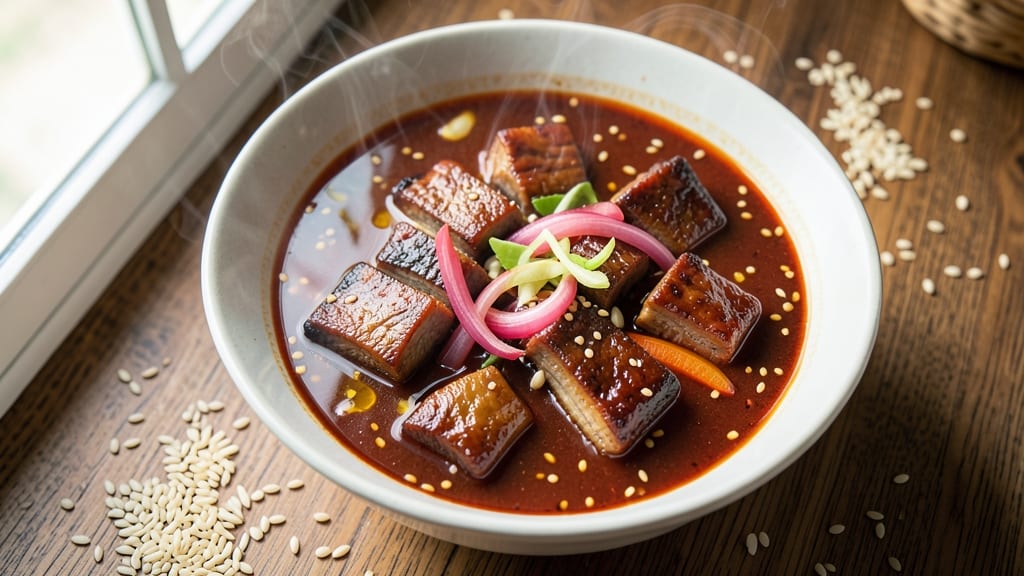
This Korean beef rib soup recipe delivers deep umami flavor and melt-in-your-mouth ribs through a carefully balanced broth. The secret lies in slow-braising beef ribs with fermented pastes like doenjang and gochujang, creating a complex, savory foundation that modern kitchens can easily replicate.
I've perfected this method after years of testing—each ingredient plays a precise role in building that signature rich, slightly sweet-sour depth.
The process begins with caramelizing beef ribs to develop natural sweetness before simmering them in a broth infused with garlic, ginger, and traditional Korean seasonings.
What sets this recipe apart is the two-stage cooking method: first building a flavorful base with aromatics, then finishing with tender ribs that absorb the broth's essence. This approach ensures restaurant-quality results without requiring specialized equipment.
By the time you serve this soup, you'll have silky ribs swimming in a velvety broth that's aromatic, slightly spicy, and deeply satisfying. The combination of tender meat, aromatic vegetables, and perfectly balanced seasoning creates a dish that's both comforting and impressive.
Each spoonful delivers layers of umami that make this a standout recipe for any occasion.
Whether you're preparing for a family gathering or simply craving a hearty meal, this beef rib soup delivers professional-quality results with accessible techniques. The method scales easily for larger groups while maintaining that authentic Korean restaurant experience at home. Let's get started with this umami-rich masterpiece.
Ingredients for korean beef rib soup
Fifteen ingredients transform into restaurant-quality Korean beef rib soup with velvety broth.
| Ingredient | Amount | Notes |
|---|---|---|
| Beef Ribs 🥩 | 2 ½ lb | Bone-in, cut into 2-inch pieces |
| Doenjang (Korean Fermented Soybean Paste) 🥫 | ⅓ cup | High-quality, fermented 1-2 years |
| Gochujang (Korean Red Pepper Paste) 🌶️ | ¼ cup | Smooth, not chunky variety |
| Garlic Cloves 🧄 | 8 cloves | Minced, skin-on for maximum flavor |
| Fresh Ginger 🌿 | ½ cup | Julienned, 1/4-inch thick slices |
| Onion 🧅 | 1 whole | Yellow, sliced into 1/2-inch pieces |
| Carrots 🥕 | 1 ½ lb | Whole, cut into 1-inch chunks |
| Green Onions 🧅 | ½ cup | White and green parts separated |
| Soy Sauce 🥫 | ¼ cup | Korean-style preferred |
| Sesame Oil 🫒 | 1 tbsp | Toasted, for finishing |
| Brown Sugar 🍯 | ¼ cup | Packed, light variety |
| Asian Pearl Onions 🧅 | 4 whole | Peeled, halved horizontally |
| Kosher Salt 🧂 | 1 ½ tsp | Diamond Crystal preferred |
| Black Peppercorns 🌶️ | ½ tsp | Freshly cracked |
| Water 💧 | 8 cups | Filtered preferred |
The beef ribs are the foundation—look for well-marbled cuts with visible fat for maximum flavor. Korean grocery stores carry superior quality, but high-end Asian sections at Whole Foods or H Mart deliver authentic results. Doenjang and gochujang should be aged; Mae Mun and Hanjin brands offer reliable quality. Fresh ginger and garlic are non-negotiable—frozen or powdered versions lack the aromatic depth required for this dish. The Asian pearl onions add delicate sweetness; Trader Joe's carries them year-round, or substitute regular pearl onions if unavailable.
No doenjang? Miso paste at half the quantity provides umami depth, though the flavor profile shifts slightly. Gochujang unavailable? Substitute 1 tbsp gochugaru (Korean red pepper flakes) mixed with 2 tbsp water, but reduce the brown sugar by 1 tbsp to balance sweetness. Fresh ginger can be swapped for dried ginger at one-third the amount, but toast it first in a dry pan for 30 seconds to enhance flavor. The brown sugar can be replaced with honey or agave, though it may alter the soup's traditional sweet-sour balance. For a quicker version, use pre-minced garlic and ginger from the refrigerated section at Costco, though fresh always delivers superior results.
This soup improves with time—let it simmer for at least 3 hours for maximum tenderness. Store in airtight containers for up to 5 days in the refrigerator, though the ribs continue to absorb flavor overnight. Freeze portions for up to 3 months by portioning into individual containers before freezing. Reheat gently on the stove with a splash of water to restore the velvety texture. The broth reduces as it cools, so add 1/4 cup water when reheating if needed.
Why You'll Love This Recipe
- Minimal Chopping Required: I swear by this—just slice the ribs into chunks, no fancy prep. The ginger and garlic get minced in seconds, and the doenjang and gochujang blend into the broth like magic without any fuss.
- Umami Bomb: That first spoonful of doenjang and gochujang? It’s like a deep, savory punch that sticks with you. The beef ribs melt into the broth, so tender they practically fall apart, and the heat from the gochujang lingers just enough to keep you reaching for more.
- Leftovers for Days: Between us, this soup only gets better after sitting overnight. The flavors meld even deeper, and reheating it is a breeze—just warm it up and serve. I make a double batch every time because I’ll be eating it again by Thursday.
- Budget Meal, Big Impact: Beef ribs might sound fancy, but they’re cheaper than you’d think, especially when stretched across a big pot of soup. The doenjang and gochujang add serious flavor without breaking the bank, and a single batch feeds four for two meals with zero waste.
Step-by-step instructions for Korean beef rib soup
Master this umami-packed soup where tender beef ribs melt into a deep, aromatic broth.
Prepare the Beef Ribs and Aromatics
Begin by rinsing the 2.5 lb beef ribs under cold water and patting them thoroughly dry with paper towels. Using a sharp chef's knife, cut the ribs into 2-inch pieces, ensuring you preserve some connective tissue for maximum flavor extraction during cooking. This step is crucial—wet ribs won't sear properly, and uneven cuts lead to inconsistent doneness.
In a separate bowl, combine the 8 cloves minced garlic cloves (skin-on for deeper flavor), 0.5 cup julienned fresh ginger, and 1 whole onion sliced into ½-inch pieces. Set these aromatics aside—they'll form the flavor foundation of your broth. I recommend mincing the garlic finely but keeping the skins on; this prevents it from burning while still releasing its aromatic oils into the broth.
Build the Umami Base
In a large Dutch oven or heavy pot, add 1 tbsp sesame oil and heat over medium-high heat until shimmering. Add the prepared beef rib pieces in a single layer, allowing them to sear undisturbed for 3-4 minutes until they develop a deep golden crust. This initial sear locks in juices and creates a rich, caramelized flavor that infuses the broth. If the ribs overlap too much, work in batches to ensure proper browning.
Once the ribs are well-seared, remove them from the pot and set aside. In the same pot, add the 0.33 cup doenjang and 0.25 cup gochujang, stirring constantly for 1 minute until they melt into the oil and create a glossy paste. This step is where the deep umami and subtle heat develop—the doenjang adds fermented depth while the gochujang contributes its signature spicy-sweet complexity.
Simmer the Broth
Return the seared ribs to the pot and add the 8 cups water, bringing the mixture to a rolling boil over high heat. Once boiling, reduce the heat to low and skim off any foam that rises to the surface during the first 10 minutes of cooking. This ensures a clear, clean broth without impurities. Add the prepared aromatics—garlic, ginger, and onion—to the pot along with the 0.25 cup soy sauce, 0.25 cup brown sugar, 1.5 tsp kosher salt, and 0.5 tsp freshly cracked black peppercorns. Stir gently to combine.
Cover the pot and simmer for 2 hours, maintaining a gentle simmer rather than a rolling boil. This slow cooking time is essential—it allows the collagen in the beef ribs to break down into gelatin, creating a silky, velvety texture in the broth. Check occasionally to ensure the water level hasn't dropped significantly; if needed, add ½ cup hot water to maintain the proper consistency.
Add Vegetables and Finish
After 2 hours, add the 1.5 lb carrots cut into 1-inch chunks, 4 whole Asian pearl onions halved horizontally, and the 0.5 cup green onions with white and green parts separated. Simmer uncovered for an additional 30-40 minutes, or until the carrots are fork-tender and the pearl onions are translucent. The green onion whites will soften into the broth, while the greens can be added back at the very end for freshness.
Taste the broth and adjust seasoning if needed—add a pinch more kosher salt if it tastes flat, or a splash of soy sauce if it needs more umami depth. The broth should be rich, slightly sweet from the brown sugar, and deeply savory from the fermented pastes. If the broth has reduced too much, you can add a small amount of hot water to reach your desired consistency, but aim to keep it substantial enough to coat the back of a spoon.
Serve with Fresh Garnishes
Remove the beef ribs from the broth and transfer them to a serving platter. Strain the broth through a fine-mesh sieve to remove any remaining solids, then return it to the pot. Add the 1 tbsp sesame oil and stir well to incorporate. Ladle the broth into individual bowls, placing 2-3 rib pieces in each. Garnish each serving with the reserved green onion greens and a drizzle of additional sesame oil for a final touch of aroma and color.
Serve immediately while the ribs are still warm and the broth is steaming. The contrast between the tender, fall-off-the-bone ribs and the velvety, umami-rich broth creates a harmonious balance of textures and flavors. This dish is best enjoyed fresh, as the flavors continue to develop and meld together even after serving.
Pro Tips For Making Korean Beef Rib Soup
- Brown the Ribs First: Toss those beef ribs in a hot pot with a splash of oil and let them sear until deep brown—no rushing. The crust locks in flavor, and skipping this step means your soup will taste like it’s missing something. I used to skip it, and the broth just wasn’t as rich.
- Toast the Doenjang: Bloom that doenjang in the pot for 2-3 minutes before adding liquid—it deepens the umami like magic. Stir constantly or it’ll burn (I’ve done that too). This isn’t just about flavor; it’s the foundation of the soup’s depth.
- Control the Gochujang Heat: Add gochujang gradually, tasting as you go—too much too soon and your soup turns into a spicy disaster. Start with half the recipe and adjust. I once ruined a batch by dumping it all in at once, and my family side-eyed me for weeks.
- Simmer, Don’t Boil: Once the ribs are tender, switch to a low simmer—hard boiling makes the meat tough. A gentle bubble keeps the broth clear and the ribs falling-apart tender. I learned this after serving rubbery ribs and pretending it was intentional.
Perfect pairings for this dish
Broth Enhancers
Elevate your soup's depth with a splash of 1 tbsp mirin during the final 30 minutes of simmering—this adds a subtle sweetness that complements the doenjang's umami.
For extra richness, stir in 1 tbsp toasted sesame seeds at the end, or add ½ cup kimchi (chopped) during the last 20 minutes of cooking for a tangy kick. These additions transform a good broth into an extraordinary one. 🌟
Side Dish Harmony
Serve with steamed jasmine rice to soak up the flavorful broth—its neutral base lets the soup's complex flavors shine.
For a lighter option, pair with quick-pickled cucumbers (slice 1 English cucumber thin, toss with 1 tbsp rice vinegar, 1 tsp sugar, and ½ tsp salt) to cut through the richness. The crisp acidity balances the soup's depth beautifully. ✨
Beverage Pairings
A light Korean lager like Hite or Cass cleanses your palate with its crisp, slightly malty profile. For wine lovers, a dry Riesling from Germany offers bright acidity that stands up to the soup's umami.
Avoid heavy reds—they'll overpower the delicate broth. I reach for Hite when hosting, as it's widely available and perfectly balanced. 🍺
Garnish Upgrades
Finish each bowl with 1 tsp toasted sesame seeds and a sprinkle of fresh cilantro for a vibrant contrast. For heat lovers, add 1 slice of fresh red chili (like Thai bird's eye) on the side.
The chili's sharpness enhances the soup's natural spice without overwhelming it. These garnishes add visual appeal and flavor layers. 💛
Leftovers Reinvention
Transform leftover broth into Korean beef rib ramen by adding egg noodles and topping with a soft-boiled egg, bean sprouts, and seaweed strips. For a quicker fix, blend the broth with 1 cup coconut milk and serve as a creamy soup with crispy fried shallots on top.
These ideas keep the meal exciting beyond the first serving. 🔥
Nutrition facts
Frequently asked questions
Can I use beef short ribs instead of beef ribs?
Beef short ribs work beautifully—they're more flavorful due to their higher fat content and connective tissue. For best results, cut them into 2-inch pieces and increase simmering time to 2.5-3 hours to ensure maximum tenderness. The extra fat will create an even richer broth, but you may want to skim some of the surface fat after simmering if you prefer a lighter texture.
How can I make this soup less spicy?
Reduce the gochujang by half (2 tbsp instead of 0.25 cup) or substitute it with 1 tbsp mild miso paste for umami without heat. For a milder broth, add a pinch of sugar or a splash of rice vinegar to balance the flavors. If the soup is already cooked, you can stir in 1 tsp honey or maple syrup to mellow the spice.
What's the best way to store and reheat leftovers?
Store in airtight containers for up to 5 days in the fridge, or freeze for 3 months. To reheat, warm over low heat on the stove with a splash of water or broth—never microwave directly, as it can make the broth watery. For the best texture, reheat just until steaming, then let it sit covered for 5 minutes before serving.
Can I make this soup in an Instant Pot?
Yes! Sear the ribs first in a separate pan, then add them to the Instant Pot with all ingredients (except vegetables). Cook on high pressure for 60 minutes, then add carrots and onions for a 10-minute natural release. The broth will be slightly thinner, so reduce it uncovered on the stove for 10-15 minutes afterward to achieve the traditional velvety consistency.
Why is my broth cloudy instead of clear?
Cloudiness usually means the broth needs more simmering time to break down collagen and settle impurities. Skim off any foam during the first 10 minutes of simmering, then strain the broth through a fine-mesh sieve after cooking. For extra clarity, chill the broth overnight in the fridge—fat and impurities will solidify on top, making them easy to remove before reheating.