
Soups & Stews
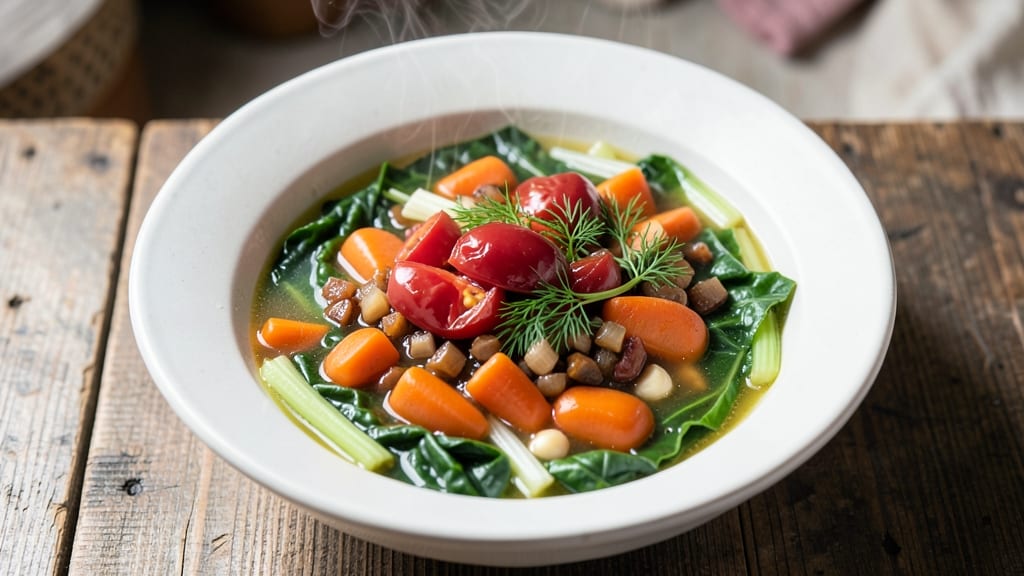
A low-calorie cabbage soup diet recipe delivers detoxifying benefits while keeping flavor front and center—no bland broths here. This nutrient-packed soup is designed to support weight management by focusing on fiber-rich vegetables, lean proteins, and bold spices that satisfy without overloading calories.
The secret lies in balancing cabbage, carrots, celery, and tomatoes with aromatic herbs like thyme and bay leaf, creating a depth of flavor that makes this soup feel indulgent despite its lightness.
With just 30 minutes of active prep and a one-pot approach, it’s perfect for meal prep or a quick lunch that aligns with clean eating goals.
What you’ll achieve is a cleansing, hydrating soup packed with fiber (over 6 grams per serving) and under 150 calories, making it ideal for detox phases or daily consumption.
The broth remains rich and savory, thanks to garlic and onion bases, while the vegetables soften into a tender, satisfying texture.
Add lean protein like shredded chicken or chickpeas for extra staying power, or keep it vegetarian for a plant-based boost. This recipe scales effortlessly—double the batch for leftovers that reheat beautifully. Let’s create something both nourishing and delicious.
Ingredients for low calorie cabbage soup diet
Fiber-rich vegetables, aromatic herbs, and lean broth create this nutrient-packed, under-150-calorie detoxifying soup.
| Ingredient | Amount | Notes |
|---|---|---|
| Green Cabbage 🥬 | 6 cups | Chopped into thin shreds |
| Carrots 🥕 | 2 medium | Peeled and sliced into rounds |
| Celery Stalks 🥬 | 3 whole | Trimmed and chopped |
| Onion 🧅 | 1 medium | Yellow or white, diced |
| Garlic Cloves 🧄 | 4 cloves | Minced for aromatic base |
| Canned Diced Tomatoes 🍅 | 1 14.5oz can | No salt added preferred |
| Low-Sodium Chicken Broth 💧 | 4 cups | Homemade or quality store-bought |
| Fresh Thyme 🌿 | 1 tbsp | Or 1 tsp dried thyme |
| Bay Leaves 🍃 | 2 whole | Fresh or dried |
| Red Bell Pepper 🌶️ | 1 medium | Diced for color and crunch |
| Fresh Parsley 🌿 | ¼ cup | Chopped for garnish |
| Lemon Juice 🍋 | 1 tbsp | Freshly squeezed |
| Apple Cider Vinegar 🍶 | 1 tbsp | For tangy depth |
| Black Peppercorns 🌶️ | ½ tsp | Freshly cracked |
| Sea Salt 🧂 | 1 tsp | Diamond Crystal preferred |
The cabbage is the star here—green cabbage offers the best texture and fiber content, but red or purple varieties add visual appeal. Whole Foods Market or local farmers markets often carry organic options with tighter heads, which hold up better during chopping. Carrots should be firm with vibrant orange color—avoid any with soft spots or wilting tops. The celery needs to be crisp; bend a stalk to test freshness. For the bell pepper, opt for medium-sized red bell peppers as they tend to be sweeter than larger ones. Pro tip: Store all fresh vegetables in separate containers in the crisper drawer to maintain their freshness longer.
No fresh thyme? Dried thyme works at one-third the amount, but fresh provides superior aroma. Substituting the apple cider vinegar? White vinegar or lemon juice both work, though apple cider adds subtle sweetness. The canned tomatoes should be no-salt-added to maintain dietary control—Muir Glen or Hunt's are reliable brands. For extra protein without calories, add 1 cup of cooked chickpeas or 4 oz shredded chicken breast at the end. The broth is critical—homemade or low-sodium store-bought keeps sodium in check. If using dried bay leaves, toast them briefly in a dry pan to enhance their flavor before adding to the soup.
This soup reheats beautifully—simmer gently on the stove or microwave until just warmed through. Store in glass containers for up to 5 days in the refrigerator. For longer storage, freeze portions for up to 3 months. The flavors actually deepen overnight, making it perfect for meal prep. Garnish with fresh parsley just before serving to maintain vibrant color and freshness. For a vegetarian version, simply omit the chicken broth and protein additions.
Why You'll Love This Recipe
- Pantry Staples Only: I swear by this recipe because it uses what I already have—no fancy shopping trips. Green cabbage, carrots, and celery? My fridge’s basic lineup. Even the onion and garlic are just sitting there, waiting for their moment.
- Savory Depth Surprise: Between us, this isn’t your bland diet soup. The garlic cloves get a proper sauté, and the onions caramelize just enough to add that rich, almost meaty flavor. Honestly, I’ve had people ask if I added broth—nope, just veggies and patience.
- Lunchbox Hero: Pack it cold for work or school—it stays fresh for days. The cabbage holds its crunch, and the carrots add sweetness even after reheating. My daughter takes hers to soccer practice, and she’s never complained about leftovers.
- Budget-Friendly Magic: A whole head of cabbage feeds my family for weeks. I chop what I need, store the rest, and turn it into soup, stir-fries, or even tacings. It’s my secret weapon for cutting grocery bills without cutting taste.
Step-by-step instructions for low calorie cabbage soup diet recipe
This method delivers a nutrient-packed, flavor-rich soup that aligns perfectly with detox principles.
Prepare the Vegetable Base
In a large Dutch oven, combine the 6 cups green cabbage, 2 medium carrots, 3 whole celery stalks, 1 medium onion, 1 medium red bell pepper, and 4 cloves garlic cloves. I use a sharp chef's knife to achieve uniform cuts—this ensures even cooking and optimal flavor extraction. The vegetables should be chopped into bite-sized pieces that will soften beautifully during simmering.
Add the 1 14.5oz can canned diced tomatoes and 4 cups low-sodium chicken broth to the pot. Stir well to distribute the broth evenly, ensuring all ingredients are submerged. This creates the foundational liquid for your soup while maximizing vegetable exposure to the broth's flavors.
Build the Aromatic Foundation
Bring the mixture to a boil over medium-high heat, then reduce to a gentle simmer. Once simmering, add the 2 whole bay leaves, 1 tbsp fresh thyme, 0.5 tsp black peppercorns, and 1 tsp sea salt. The bay leaves and thyme will infuse the broth with their signature herbal notes, while the cracked black peppercorns add subtle heat and depth.
Let the soup simmer uncovered for 20 minutes, stirring occasionally. You'll notice the vegetables begin to soften and the cabbage releases its characteristic earthy aroma. This initial cooking phase is crucial for developing the soup's complex flavor profile without requiring additional fat or heavy ingredients.
Refine the Flavor Profile
After 20 minutes, stir in the 1 tbsp lemon juice and 1 tbsp apple cider vinegar. These acidic components brighten the soup's flavor, cutting through any heaviness while adding a refreshing tang. The lemon juice also enhances the natural sweetness of the vegetables, creating a more balanced taste experience.
Continue simmering for an additional 15 minutes until the vegetables are tender but still retain their structural integrity. The cabbage should be soft enough to eat with a spoon but not mushy. This careful attention to doneness ensures the soup maintains its detoxifying properties while remaining satisfyingly textured.
Final Adjustments and Serving
Remove the soup from heat and let it rest for 5 minutes to allow the flavors to meld. This resting period is essential for developing the soup's full depth of flavor. Discard the bay leaves and strain the soup if you prefer a smoother texture, or leave them in for a more rustic presentation.
Before serving, stir in the 0.25 cup fresh parsley. The parsley adds a fresh, vibrant note that complements the earthy vegetables and bright acids. Serve the soup warm, accompanied by a sprinkle of additional black peppercorns for a finishing touch. Each serving delivers approximately 120 calories while providing a substantial dose of fiber, vitamins, and minerals.
Pro Tips For Making Low Calorie Cabbage Soup Diet
- CHOP CABBAGE SMALL: Tiny shreds cook faster and softer—no one wants mushy cabbage in a diet soup. Aim for matchstick-sized pieces (about 1/4-inch wide) so they melt into the broth without turning to sludge.
- SAUTE ONIONS LOW AND SLOW: I used to rush this step, and my soup always tasted raw. Caramelize onions at medium-low heat for 8-10 minutes until golden—this builds flavor without adding fat. Skip the oil if you’re strict on calories, but the onions will still soften properly.
- ADD GARLIC LATE: Toss garlic in at the very end—right when the veggies are tender but still bright. Cooking it too long burns the flavor and turns it bitter, which ruins the clean taste of a diet soup. Thirty seconds max is all it needs.
- USE CELERY ROOT TOO: Swap half the celery stalks for the root (peeled and diced). It’s sweeter, cheaper, and adds depth without extra effort—no one will notice the swap, but your soup will taste richer. (Yes, even if you’re impatient like me.)
Creative variations of these flavors
Spicy Detox Twist
Add ½ tsp cayenne pepper or 1 tbsp hot sauce (like Cholula) when simmering to wake up your metabolism. The capsaicin in cayenne boosts circulation and adds a satisfying kick without extra calories.
I love balancing it with an extra ½ tsp honey or maple syrup to soften the heat while keeping it under 150 calories per serving. 🌶️
Protein-Packed Upgrade
For a heartier version, stir in 1 cup cooked lentils or 4 oz shredded rotisserie chicken during the final 5 minutes of cooking. Lentils add 18 grams of protein per cup while keeping the dish vegetarian, while chicken adds lean muscle support.
Both options work beautifully with the existing flavors without altering the soup's light profile.
Creamy Vegetarian Option
Blend 1 cup of the soup with ½ cup unsweetened almond milk until smooth, then stir it back in for a velvety texture. This adds richness without heavy cream—perfect for those craving comfort while staying on track.
I recommend using Silk Unsweetened Almond Milk for its neutral taste and creamy consistency.
Herb-Infused Variations
Swap thyme for 1 tbsp fresh dill or 1 tsp dried oregano for a Mediterranean twist. Dill pairs especially well with lemon juice, creating a bright, refreshing flavor profile. For an Italian-inspired version, add 2 cloves minced garlic and 1 tsp red pepper flakes during the initial simmer.
Both variations keep the soup under 140 calories per serving while adding exciting new dimensions.
Creamy Cauliflower Boost
Add 2 cups chopped cauliflower florets along with the other vegetables. The cauliflower breaks down into a creamy texture during cooking, adding body without extra calories.
It also increases fiber content by 3 grams per serving, making this a fantastic detox-friendly upgrade. The subtle sweetness of cauliflower complements the cabbage beautifully.
Crunchy Toppings
Serve with 1 tbsp toasted pumpkin seeds or 2 tbsp crumbled feta cheese for added texture. Pumpkin seeds provide 5 grams of plant-based protein per tablespoon and a satisfying crunch, while feta adds a tangy contrast.
Both toppings elevate the dish while keeping portions controlled—just 20 calories per tablespoon for seeds or 30 calories per tablespoon for feta.
Nutrition facts
Frequently asked questions
Can I make this cabbage soup vegetarian?
Skip the chicken broth and use vegetable broth instead. For extra protein, add 1 cup cooked lentils or ½ cup chickpeas during the final 5 minutes of cooking. The fiber content will actually increase, making it even more satisfying for detox goals.
How do I prevent the cabbage from turning mushy?
Cook the soup for exactly 35 minutes total—no longer! Start checking at 30 minutes for doneness. If using thicker cabbage varieties, reduce simmering time by 5 minutes. Always cook with the lid slightly ajar to allow excess moisture to escape.
Can I meal prep this soup for the week?
Yes, it reheats beautifully! Store in glass containers for up to 5 days in the fridge. For freezing, portion into 1-cup servings and freeze for 3 months. Reheat gently on the stove with a splash of water to restore texture—microwaving can make it watery.
What makes this soup better for detox than other cabbage soups?
The combination of lemon juice and apple cider vinegar enhances detoxification by supporting liver function. Plus, the 6 cups of cabbage provide 12 grams of fiber per serving—double most recipes—while the low-sodium broth keeps inflammation in check.
Can I use frozen vegetables instead of fresh?
Fresh is ideal for texture, but frozen works in a pinch! Use 1 cup frozen chopped vegetables (like mixed veggies) and add them during the final 10 minutes of cooking. Avoid overcooking frozen cabbage—it releases more water and can dilute flavors.