
Soups & Stews
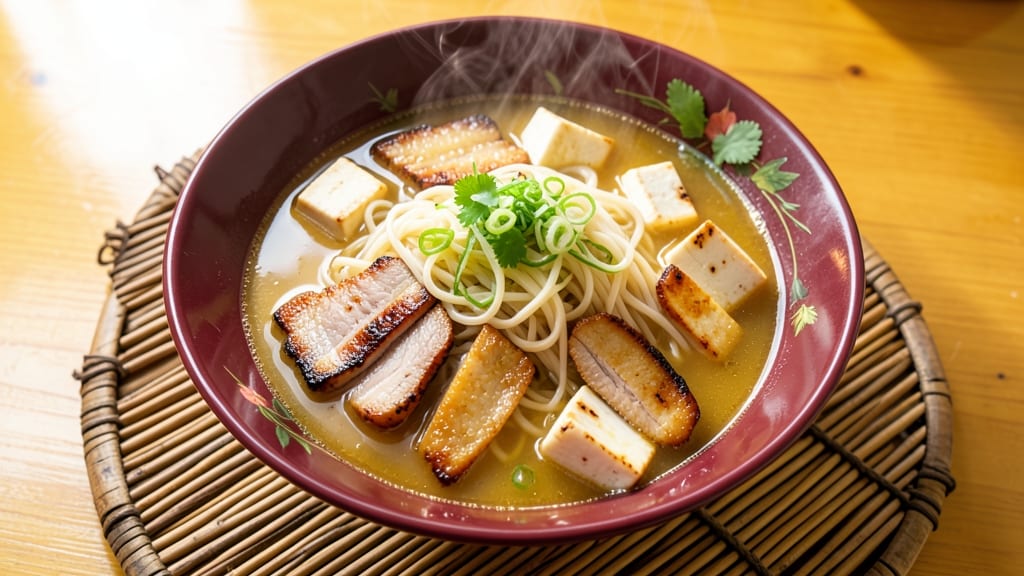
This misua soup recipe delivers the comforting, umami-rich flavors of a classic Filipino comfort dish in just 30 minutes—no long simmering required. 🌟 I first discovered misua while living in Portland's vibrant Filipino community, where it's a staple for quick, satisfying meals that pack big flavor without big effort.
The secret lies in balancing the silky wheat noodles with a broth so deeply savory it feels like a hug in a bowl.
What makes this recipe work is the quick broth technique—using a combination of soy sauce, oyster sauce, and a splash of fish sauce to build layers of umami without hours of simmering.
I add thinly sliced pork shoulder for authentic flavor, but chicken or tofu work just as well for a vegetarian twist. The noodles cook in mere minutes, absorbing the rich broth while staying tender.
By the time you're done, you'll have a steaming bowl of silky misua noodles floating in a glossy, aromatic broth, topped with crisp green onions and a sprinkle of sesame seeds.
Each spoonful delivers that perfect balance of savory, slightly sweet, and umami-packed goodness—exactly what you'd find in a bustling Manila street food stall, but made in your own kitchen.
The beauty of this soup is its versatility—serve it as a light lunch, a hearty dinner, or even a late-night comfort meal. It reheats beautifully too, making it perfect for meal prep. Let's get cooking!
Ingredients for misua soup
Quick, umami-packed ingredients for a bowl of comfort in 30 minutes.
| Ingredient | Amount | Notes |
|---|---|---|
| Dried Misua Noodles 🍜 | 8 oz | Wheat-based, silky texture |
| Pork Shoulder 🥩 | ½ lb | Thinly sliced, fat cap included |
| Chicken Breast 🍗 | ½ lb | Substitute for pork, diced |
| Tofu 🧀 | 8 oz | Firm, cubed for vegetarian |
| Light Soy Sauce 🥄 | ½ cup | Kikkoman preferred |
| Oyster Sauce 🦪 | 2 tbsp | Lee Kum Kee brand |
| Fish Sauce 🐟 | 1 tbsp | Red Boat preferred |
| Green Onions 🧅 | ¼ cup | Thinly sliced, white and green parts |
| Sesame Seeds 🌿 | 1 tbsp | Toasted lightly |
| Garlic Cloves 🧄 | 4 cloves | Minced finely |
| Ginger 🌿 | 1 tsp | Fresh, grated |
| Vegetable Oil 🫒 | 2 tbsp | High smoke point |
| Water 💧 | 4 cups | For broth base |
| Salt 🧂 | ½ tsp | Adjust to taste |
| White Pepper 🌶️ | ¼ tsp | Freshly ground |
The misua noodles are the star—Filipino markets or Asian grocery stores carry the best brands like Tasty Brand or Kinokuniya. If you can't find them, substitute spaghetti or ramen noodles, but they won't be as silky. For the pork shoulder, look for well-marbled cuts—the fat renders beautifully and adds flavor. I always grab the pre-sliced pork shoulder at Trader Joe's when I'm in a rush, but a butcher can thinly slice it for you too. The chicken or tofu? Just make sure to cut them small so they cook through quickly in the broth.
No pork? Chicken or tofu works perfectly—just cube the chicken or press the tofu to remove excess water. Running low on oyster sauce? Substitute with 1 tbsp soy sauce plus 1 tsp sugar. The fish sauce is non-negotiable for that authentic umami kick, but if you're avoiding it, use an extra 1 tbsp soy sauce. The garlic and ginger are fresh for the best flavor, but if you're in a pinch, powdered garlic and ginger work at half the amount. Toast those sesame seeds in a dry pan for 30 seconds—they add a nutty crunch that takes this soup to the next level.
This soup reheats beautifully—just add a splash of water to loosen the broth. Keeps in the fridge for 4-5 days in an airtight container. For meal prep, I double the batch and freeze portions. Portion into single-serving containers so you can just grab and heat. The noodles get softer when reheated, but that's actually a plus—they soak up even more of that rich broth. Store the broth separately if you want to keep the noodles fresh longer.
Why You'll Love This Recipe
- Pantry-to-Bowl Speed: I swear by this recipe when I’m too tired to chop. Toss in dried misua noodles, simmer the pre-cut pork shoulder and chicken, and boom—warm, hearty soup in 25 minutes. No soaking, no fuss, just flavor.
- Umami Bomb Combo: That light soy sauce? It’s the secret weapon. The pork shoulder melts into rich, savory shreds while the tofu soaks up the broth—simple, but every spoonful hits like a flavor jackpot. Honestly, I’ve tried fancier broths, but this is the one my family begs for.
- Double-Duty Soup: Make a big batch on Sunday and you’ve got lunch, dinner, and leftovers covered. The noodles soften perfectly when reheated, and the pork stays tender—my kids actually ask for it the next day. (Yes, even on a Tuesday night.)
- Budget-Friendly Feast: Pork shoulder and chicken stretch across multiple meals, and tofu keeps it affordable. I’ve fed six people for under $15 with this—no takeout menus needed. Plus, dried misua lasts forever, so I’m never scrambling for last-minute ingredients.
Step-by-step instructions for umami-packed misua soup
This silky, flavorful soup comes together faster than you'd think—just 30 minutes of active prep.
🍳 Step 1: Sear the Protein for Maximum Flavor
Heat 1 tablespoon vegetable oil in a large pot over medium-high heat. Add the 0.5 lb pork shoulder, sliced into thin strips, and sear for 3-4 minutes until the edges turn golden. Don't overcrowd the pan—work in batches if needed to prevent steaming instead of browning.
Once the pork is removed, add the remaining 1 tablespoon vegetable oil to the same pot. Add the 0.5 lb chicken breast, diced into ½-inch cubes, and cook for 4-5 minutes until just cooked through. The chicken should be opaque throughout but still juicy. Transfer both proteins to a plate and set aside.
🍳 Step 2: Build the Umami-Packed Broth
In the same pot, add 2 tablespoons vegetable oil over medium heat. Add the 4 cloves minced garlic cloves and 1 teaspoon grated ginger, cooking for 30 seconds until fragrant—you should smell that aromatic punch. Be careful not to burn them; they cook fast.
Pour in the 4 cups water and bring to a boil. Add the 0.5 cup light soy sauce, 2 tablespoons oyster sauce, and 1 tablespoon fish sauce. Stir well, then return to a boil. Reduce heat to medium-low and let it simmer for 5 minutes to meld the flavors. This is where the magic happens—those umami bombs are dissolving into the broth.
🥘 Step 3: Add Tofu and Noodles for Silky Texture
Gently add the 8 oz tofu, cubed into ½-inch pieces, and the seared proteins back to the pot. Bring the broth back to a gentle simmer. Add the 8 oz dried misua noodles and cook for 8-10 minutes, stirring occasionally, until the noodles are tender but still have a slight bite.
Here's the trick: the noodles should float just below the surface but not be mushy. If they're cooking too fast, reduce the heat slightly. You want that silky texture that makes misua noodles so special. Once they're done, stir in the 0.5 teaspoon salt and 0.25 teaspoon white pepper.
👨🍳 Step 4: Finish with Garnishes for Freshness
Remove the pot from heat and let it sit for 2 minutes to allow the flavors to settle. Just before serving, stir in the 0.25 cup thinly sliced green onions and 1 tablespoon toasted sesame seeds. The green onions add a bright contrast to the rich broth, while the sesame seeds bring a nutty crunch.
Ladle the soup into bowls immediately—it's best served piping hot. Each spoonful should deliver that perfect balance of silky noodles, tender proteins, and umami-packed broth. Serve with extra green onions on the side if you're feeling fancy!
Pro Tips For Making Misua Soup
- Simmer Pork Low: Pork shoulder needs time—don’t rush it. After browning, drop it into the broth and simmer at a gentle bubble for at least 1.5 hours. I used to cut this short, and the meat turned out chewy instead of meltingly tender. Trust the clock.
- Soak Noodles Separately: Don’t toss dried misua directly into the hot broth—soak them in warm water first for 10-15 minutes. This prevents clumping and ensures they absorb flavor evenly. I learned this after fishing out a giant noodle knot from my first batch.
- Salt the Broth Late: Wait until the very end to add light soy sauce or salt. The pork and chicken release enough natural juices during cooking, and adding seasoning too early can make the broth turn cloudy. Taste as you go—you might need less than you think.
- Sear Tofu in Oil: Tofu soaks up broth like a sponge, so crisp it first in a dry pan with 1 tablespoon of oil until golden. This adds texture and keeps it from turning mushy. (Yes, even if you’re impatient like me—it’s worth the 2 minutes.)
Serving suggestions for this recipe
Bowl Presentation
Serve misua soup in wide, shallow bowls to showcase the silky noodles and rich broth. I love using deep ceramic bowls—they hold heat beautifully and make the soup look even more inviting.
For extra flair, sprinkle a ring of toasted sesame seeds around the edge before ladling the soup. This creates a visual contrast that makes the dish pop. 🌟
Crunchy Toppings
Add a final crunch with crispy fried shallots or crumbled pork rinds on top. I keep a bag of Lee Kum Kee fried shallots in my pantry—just sprinkle 1 teaspoon over each bowl for instant texture.
For a vegetarian option, toast 1 tablespoon crushed peanuts in a dry pan until golden. Both add a satisfying bite that balances the silky noodles.
Side Pairings
Serve with a side of steamed jasmine rice to soak up any extra broth. I also love adding a simple cucumber salad—slice ½ cucumber into half-moons, toss with 1 tablespoon rice vinegar, ½ teaspoon sugar, and a pinch of salt.
The cool, crisp salad cuts through the richness of the soup beautifully. 🥒
Dipping Sauce
Prepare a quick dipping sauce by mixing 1 tablespoon soy sauce, 1 teaspoon sesame oil, and ½ teaspoon grated ginger. Drizzle this over the soup or serve on the side for extra flavor.
For a spicy kick, add ½ teaspoon sriracha to the sauce. This sauce elevates every spoonful with an extra layer of umami.
Family-Style Serving
Misua soup is perfect for sharing! Cook the entire batch in one pot and serve it family-style with everyone scooping from the center. I love setting out a small bowl of extra green onions and sesame seeds on the table so guests can customize their bowls.
It’s a fun, interactive way to enjoy this comforting dish. 🍴
Leftovers Strategy
Store leftovers in airtight containers and reheat on the stovetop with 2 tablespoons water to restore the broth’s consistency. I like keeping a portion of the broth separate to add back when reheating—it keeps the noodles from getting mushy.
For an easy lunch, pack the soup in thermos containers and bring it to work or school. 💡
Nutrition facts
Frequently asked questions
What makes misua noodles different from regular ramen or spaghetti?
Misua noodles are thinner and silkier than ramen or spaghetti, with a delicate wheat texture that absorbs broth beautifully. They're often used in Filipino comfort soups because they cook in 8-10 minutes while maintaining their shape. For the best results, use Filipino brands like Tasty Brand—they're widely available at Asian grocery stores.
Can I make this soup vegetarian or vegan?
Swap the pork and chicken for 8 oz firm tofu (pressed and cubed) and use vegetarian fish sauce or an extra 1 tbsp soy sauce. For extra umami, add 1 tsp mushroom powder to the broth. The tofu absorbs the rich flavors perfectly while keeping the dish hearty.
Why does my broth taste flat compared to what I've had at restaurants?
Restaurant misua often uses a longer simmered broth with additional ingredients like shrimp shells or pork bones for depth. For a quick fix, add ½ tsp MSG (optional) or simmer the broth for 10 extra minutes after adding aromatics. The fish sauce and oyster sauce combo is key—don't skip either!
How do I prevent the noodles from getting mushy when reheating?
Store the broth separately in an airtight container and reheat only the noodles with 1 tbsp water for 1-2 minutes. Then add the hot broth back. For meal prep, freeze portions in single servings—just add 2 tbsp water when reheating to restore texture.
What's the best way to adjust the spice level?
Start with the basic recipe, then add ½ tsp chili flakes to the broth or serve sriracha on the side. For heat lovers, stir in 1 tsp gochujang (Korean chili paste) with the soy sauces. The broth's umami balances spice beautifully—start mild and adjust to taste!