Soups & Stews
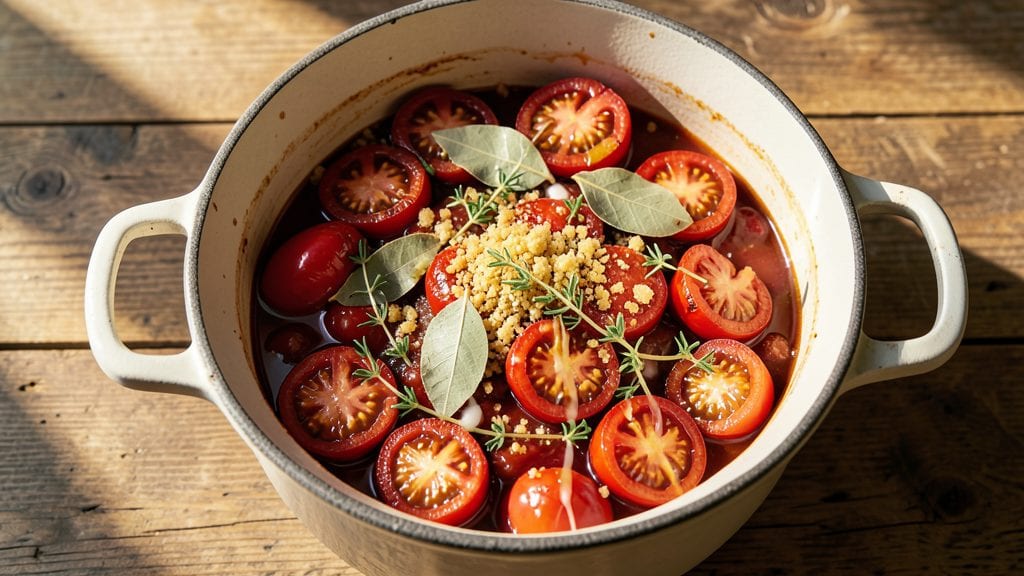
Creating old-fashioned stewed tomatoes with fresh tomatoes transforms simple summer produce into a rich, versatile pantry staple that tastes like nostalgia in every spoonful. The secret lies in slow simmering—just 45 minutes of gentle cooking—until the tomatoes break down into a thick, velvety sauce with balanced sweetness and acidity.
This isn’t just a side dish; it’s the backbone of classic meals that elevates everything from roasted meats to buttered bread.
The traditional method relies on a few key ingredients: fresh tomatoes (ripe but firm), just enough sugar to caramelize their natural sweetness, and a touch of vinegar to brighten the flavors.
Spices like bay leaf and thyme add depth without overpowering, while a splash of broth ensures the sauce never dries out. The magic happens during the simmer—patience turns ordinary tomatoes into something extraordinary, with a texture that’s thick enough to coat but still silky smooth.
What you’ll end up with is a jar of homemade stewed tomatoes that rivals anything you’d find in a specialty store, but with the freshness of summer preserved all year.
The sauce is perfect for drizzling over grilled chicken, spooning onto toast, or using as a base for soups and sauces. It’s the kind of recipe that feels like coming home to a warm kitchen, where flavors build slowly and every bite tells a story.
Best of all, this recipe scales effortlessly—make a big batch and store it in the fridge for up to a week or freeze it for months.
Whether you’re prepping for a holiday feast or just want to enjoy the taste of summer anytime, these stewed tomatoes deliver restaurant-quality results with minimal effort. Let’s get started on turning your fresh tomatoes into a pantry essential.
Ingredients for old fashioned stewed tomatoes recipe with fresh tomatoes
Fresh tomatoes, sugar, vinegar, and patience—this classic combo transforms summer produce into nostalgic pantry gold.
| Ingredient | Amount | Notes |
|---|---|---|
| Fresh Tomatoes 🍅 | 4 lbs | Ripe but firm, medium-sized |
| Granulated Sugar 🍚 | ½ cup | Light brown sugar adds depth |
| White Vinegar 🍶 | ¼ cup | Balances sweetness, distillable preferred |
| Bay Leaves 🌿 | 2 whole | Dried or fresh, remove before serving |
| Fresh Thyme 🌿 | ¼ cup | Leaves only, stems removed |
| Chicken Broth 💧 | 2 cups | Low-sodium preferred, homemade or store-bought |
| Garlic Cloves 🧄 | 3 cloves | Peeled, lightly crushed |
| Salt 🧂 | 1 ½ tsp | Kosher or sea salt, adjust to taste |
| Black Peppercorns 🌶️ | ½ tsp | Freshly cracked, not pre-ground |
| Olive Oil 🫒 | 2 tbsp | Extra-virgin for richness |
| Fresh Basil 🌿 | ⅛ cup | Chopped, for finishing (optional) |
The tomatoes are the star, so don’t skimp on quality. Heirloom varieties from a farmers market add depth, but any ripe, firm tomatoes work. I always grab the big, meaty beefsteak tomatoes at Whole Foods or my local grocery store’s produce section—they hold up best during cooking. If you’re using cherry tomatoes, you’ll need about 3 lbs instead. The key is to look for tomatoes that are heavy for their size, with just a hint of give when squeezed. Avoid any with soft spots or wrinkled skin, as they’ll turn mushy during simmering. And if you’re lucky enough to have a garden, tomatoes straight from the vine taste like summer in a jar.
No white vinegar? Apple cider vinegar or red wine vinegar works just as well—just adjust the amount to taste. Running short on thyme? Dried thyme at half the quantity gets you close, but fresh is ideal. The sugar is non-negotiable here—it’s what caramelizes the tomatoes and gives them that classic sweet-tart balance. Light brown sugar adds a subtle molasses note, but regular granulated works fine. If you’re worried about too much sweetness, taste as you go and add vinegar to brighten. The broth can be swapped for water, but homemade or high-quality store-bought adds depth. And if you’re feeling fancy, a splash of dry red wine (about 1/4 cup) turns this into a fancier stewed tomato sauce.
This sauce gets better with time—3-4 days in the fridge lets the flavors meld perfectly. For longer storage, portion into clean jars and freeze for up to 6 months. I like to keep a jar in the pantry at all times for quick meals. The sauce thickens as it cools, so you can thin it with a splash of water or broth if needed. And if you make a big batch, trust me—you’ll find a million uses for it. Drizzle over grilled meats, spoon onto toast with butter, or use it as a base for soups and pasta sauces. The possibilities are endless, and every spoonful tastes like summer.
Why You'll Love This Recipe
- No-Chop Necessary: I swear by this—just halve the tomatoes, toss them in, and let the vinegar and sugar work their magic. The skins soften perfectly on their own, so no peeling, no fuss.
- Sweet-Tangy Magic: That balance of sugar and vinegar? It’s chef’s kiss—bright enough to cut through rich dishes but sweet enough to make you linger. The thyme adds this earthy whisper that ties it all together.
- Pantry Staple Power: Honestly, I make this when I’m out of ideas and have nothing but tomatoes, sugar, and a splash of vinegar. It’s my go-to for pasta nights, sandwich toppings, or even a quick breakfast scramble.
- Leftovers That Shine: Between us, this stuff tastes better the next day—thicker, more concentrated. I freeze half the batch for winter soups or summer salsa. Zero waste, maximum flavor.
Step-by-step instructions for old fashioned stewed tomatoes
Here's how to make this classic pantry staple from scratch—simple, flavorful, and perfect for freezing.
Prep and Cook the Tomatoes
Start by washing the 4 lbs fresh tomatoes and cutting them into quarters. Remove the cores and any bruised spots. In a large, heavy-bottomed pot, heat the 2 tbsp olive oil over medium-high heat. Add the tomato quarters cut-side down and cook for 8-10 minutes, stirring occasionally, until they begin to soften and release their juices.
This initial cooking step caramelizes the tomatoes slightly, building deep flavor. Don't rush this—you want the skins to blister and soften before moving forward. If the pot gets too dry, add a splash of water, but try to work with the natural juices first. Once the tomatoes are softened, flip them and cook for another 5 minutes to ensure even browning.
Add Aromatics and Simmer
Push the tomatoes to one side of the pot and add the 3 cloves garlic cloves and 0.25 cup fresh thyme to the empty space. Sauté for 1-2 minutes until the garlic is fragrant but not browned. Stir everything together, then add the 2 whole bay leaves, 1.5 tsp salt, and 0.5 tsp black peppercorns. Pour in the 2 cups chicken broth and bring the mixture to a gentle boil.
Once boiling, reduce the heat to low and let it simmer uncovered for 20 minutes. This allows the tomatoes to break down and release their juices naturally. Stir occasionally to prevent sticking, and taste the mixture after 15 minutes—you'll notice the flavors starting to meld beautifully. If it looks too thick, add a splash of water or broth to keep it moving.
Sweeten and Acidify
After the initial simmer, stir in the 0.5 cup granulated sugar and 0.25 cup white vinegar. These ingredients balance the natural sweetness and acidity of the tomatoes, creating that classic old-fashioned flavor. Let the mixture simmer uncovered for another 15-20 minutes, stirring occasionally, until the tomatoes are completely tender and the sauce has thickened slightly.
You'll know it's ready when the tomatoes are fork-tender and the sauce coats the back of a spoon. If you're using dried thyme or bay leaves, remove them now—fresh herbs can be left in or strained out depending on your preference. Taste and adjust the seasoning if needed; sometimes a pinch more salt or sugar enhances the flavor.
Finish and Store
Once the stewed tomatoes reach your desired consistency, remove the pot from heat. Stir in the 0.125 cup fresh basil (if using) and let the mixture cool slightly. For a smoother texture, you can blend it using an immersion blender or transfer it to a regular blender in batches—just be careful with the hot liquid. If you prefer a chunkier texture, skip blending entirely.
Let the stewed tomatoes cool to room temperature before transferring them to airtight containers. They'll keep in the refrigerator for up to 1 week or can be frozen for up to 6 months. This makes a fantastic pantry staple for pasta sauces, soups, or even as a topping for grilled meats. The flavors only deepen over time, so don't hesitate to make extra!
Pro Tips For Making Old Fashioned Stewed Tomatoes Recipe With Fresh Tomatoes
- Peel Tomatoes First: I learned this the hard way—skinning tomatoes before cooking saves time and keeps your stewed tomatoes from looking like a science experiment gone wrong. Run them under hot water for 30 seconds, shock in ice, then slip off skins. The flesh stays intact, and you avoid that sad, watery texture from overcooked skins.
- Simmer Slow and Low: This isn’t a race. After adding sugar and vinegar, drop the heat to a bare simmer—think tiny bubbles, not rolling. Too much heat turns the tomatoes mushy and the sauce cloudy. I used to rush it, and my stewed tomatoes always tasted dull. Now? Perfectly balanced sweetness and acidity every time.
- Taste Before Adding Sugar: Your tomatoes might already be sweeter than you think. After cooking off the raw taste, taste a spoonful before adding sugar—you’ll often find they just need a touch (or none at all). I used to blindly dump in the full amount, ending up with something cloying. Now I adjust by the tablespoon, and the flavor sings.
- Toast the Spices: Dry the thyme leaves and bay leaves in a hot pan for 10 seconds until fragrant—it deepens their flavor without bitterness. Skip this, and your stewed tomatoes will taste like they’re missing something. (Yes, even if you’re impatient like me.) The aroma alone makes the difference.
Flavor customization for these flavors
Sweet-Tart Balance
The classic sweet-tart ratio is key—½ cup sugar to ¼ cup vinegar creates that nostalgic flavor. For a deeper sweetness, add 1 tbsp honey or 1 tbsp maple syrup at the end.
If you prefer more acidity, increase vinegar to ⅓ cup—this brightens the sauce and cuts through richness in dishes like roasted pork. 🍯
Herb Variations
Swap thyme for 1 tsp dried oregano or ½ tsp red pepper flakes for a Mediterranean twist. For a smoky depth, add ½ tsp smoked paprika with the garlic.
Fresh rosemary (½ sprig) pairs beautifully with roasted meats, while a pinch of ground cinnamon adds warmth for a fall version.
Umami Boosters
Stir in 1 tbsp soy sauce or 1 tsp Worcestershire sauce for an extra layer of savory depth. A splash of tomato paste (1 tbsp) intensifies the tomato flavor, while a few anchovy fillets (mashed) add a briny punch.
These work especially well for pasta sauces or as a base for meat marinades.
Texture Adjustments
For a smoother sauce, blend until silky after simmering. For rustic chunks, leave whole tomatoes in the sauce. If the sauce thickens too much, whisk in 1-2 tbsp water or broth. For a jam-like consistency, simmer uncovered until reduced by ⅓—perfect for spooning over grilled cheese.
Seasonal Twists
In summer, add fresh basil and a splash of lemon juice for brightness. For winter, infuse with star anise or a cinnamon stick during simmering. A touch of balsamic vinegar (1 tbsp) replaces white vinegar and adds complexity. These tweaks keep the dish exciting year-round.
Spice Level Control
Add ½ tsp cayenne pepper for heat, or 1 tsp chili flakes for mild warmth. For a smoky kick, include ½ tsp chipotle powder with the garlic. Always taste before serving—adjust gradually to avoid overpowering the natural tomato flavor.
Nutrition facts
Frequently asked questions
Can I use canned tomatoes instead of fresh?
The recipe calls for fresh tomatoes to capture their vibrant flavor and natural sweetness, but you can adapt it with canned tomatoes in a pinch. Use 28 oz crushed tomatoes (about 4 cups) and skip the initial searing step. Add an extra 1 tbsp sugar and 1 tsp vinegar to compensate for the difference in acidity. Simmer for 30-40 minutes to achieve a similar thick consistency.
How do I know when the stewed tomatoes are done?
Your stewed tomatoes are ready when they’re fork-tender and the sauce coats the back of a spoon. This typically takes 40-45 minutes of total simmering time. Look for tomatoes that break down easily but still hold their shape if you prefer chunks. Taste for balance—sweetness should be noticeable, but the acidity should still brighten the flavor. If it’s too thin, simmer uncovered for 5-10 more minutes to thicken.
Can I make this recipe without vinegar?
Yes, but the flavor will lack that classic tangy balance. Replace the ¼ cup white vinegar with 2 tbsp lemon juice or 1 tbsp balsamic vinegar for a milder alternative. If you omit it entirely, you may need to add 1 extra tbsp sugar to compensate, as vinegar also helps caramelize the tomatoes. The sauce will still be delicious, just with a slightly sweeter profile.
What’s the best way to store leftovers?
Let the stewed tomatoes cool completely before transferring to an airtight container. They’ll keep in the fridge for up to 1 week, with flavors deepening over time. For longer storage, portion into freezer-safe jars or bags and freeze for up to 6 months. Thaw overnight in the fridge—never microwave directly from frozen. The texture may thicken further when reheated, so add a splash of water or broth if needed.
How can I use this sauce if it’s too thick?
If your sauce is thicker than you’d like, whisk in 1-2 tbsp water or broth to loosen it. For a smoother texture, blend briefly with an immersion blender. If you prefer a jam-like consistency, simmer uncovered for 10-15 more minutes to reduce it further. Remember, stewed tomatoes thicken as they cool, so adjust while still warm.