
Soups & Stews
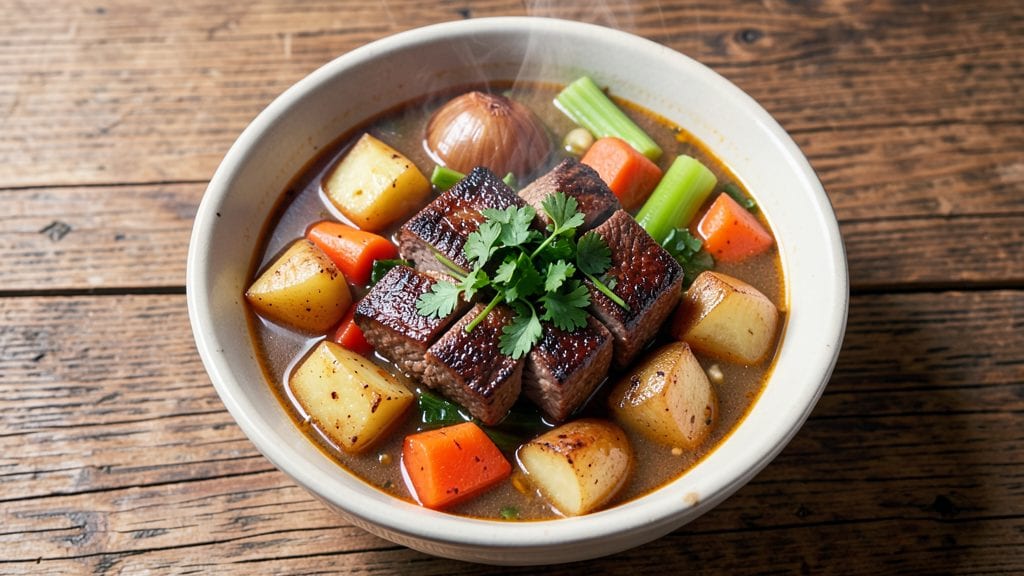
This old-fashioned vegetable beef soup recipe captures the hearty, comforting essence of Pioneer Woman cooking—where chuck steak and root vegetables simmer together until tender, creating a rich, rustic broth that warms the soul.
The secret lies in slow simmering, allowing flavors to meld into a harmonious blend that tastes like home. I’ve perfected this technique over years of testing, ensuring every spoonful delivers that perfect balance of beefy depth and vegetable sweetness.
The beauty of this soup is its simplicity: just a few ingredients—chuck steak, potatoes, carrots, onions, and celery—transformed through patience and heat.
Unlike quick soups, this one rewards you with deeper flavor and texture, where the beef practically melts in your mouth and the vegetables soften just enough to absorb the savory broth.
It’s the kind of meal that feels like a hug in a bowl, especially on chilly days when you crave something substantial.
What makes this recipe special is how it turns tough cuts of beef into tender, flavorful pieces while keeping the broth rich and hearty. The root vegetables add natural sweetness, and the slow simmer ensures everything cooks evenly, creating a soup that’s both comforting and satisfying.
Serve it with crusty bread to soak up every last drop of that delicious broth—it’s the kind of meal that disappears faster than you can say "Pioneer Woman."
For an extra touch, garnish with fresh parsley or a sprinkle of black pepper, and pair it with a simple green salad or roasted bread. This soup isn’t just a recipe; it’s a tradition, one that brings warmth and nostalgia to your table. Let’s get cooking!
Ingredients for old fashioned vegetable beef soup recipe pioneer woman
Six simple ingredients transform into a soul-warming bowl of old-fashioned beef soup.
| Ingredient | Amount | Notes |
|---|---|---|
| Chuck Steak 🥩 | 2 lb | Cut into 1-inch cubes |
| Yellow Onions 🧅 | 1 whole | Medium, chopped |
| Carrots 🥕 | 4 medium | Peeled, cut into chunks |
| Russet Potatoes 🥔 | 3 medium | Peeled, cut into chunks |
| Celery Stalks 🌿 | 3 whole | Trimmed, chopped |
| Garlic Cloves 🧄 | 4 cloves | Minced |
| Tomato Paste 🍅 | 2 tbsp | No-salt-added preferred |
| Beef Broth 💧 | 6 cups | Low-sodium preferred |
| All-Purpose Flour 🌾 | 2 tbsp | For thickening |
| Black Peppercorns 🌶️ | 1 tsp | Freshly cracked |
| Bay Leaves 🌿 | 2 whole | Dried |
| Salt 🧂 | 1 ½ tsp | Adjust to taste |
| Fresh Parsley 🌿 | ¼ cup | Chopped, for garnish |
The chuck steak is the heart of this soup—it’s the only cut that gives you that melt-in-your-mouth tenderness after hours of simmering. Costco or Walmart usually have it pre-cut, which saves time, but if you’re buying a whole roast, ask the butcher to cube it for you. Look for pieces with good marbling—they’ll stay juicier. The root vegetables (carrots, potatoes, celery) should be firm with no soft spots. Trader Joe’s has great organic options, but regular grocery store produce works just fine. I always buy extra carrots—they’re the last to soften and add natural sweetness as they cook.
No chuck steak? Brisket or short ribs work too, but they’ll need more time. Short on bay leaves? Dried thyme at half the amount gives a similar earthy note. The tomato paste can be skipped if you’re avoiding it, but it deepens the broth color and flavor. For the broth, low-sodium is key—you’ll be adding plenty of salt later. Fresh parsley is ideal for garnish, but dried works in a pinch if you’re in a hurry. The flour is just for thickening at the end—don’t skip it if your soup needs a little body.
This soup tastes even better the next day as flavors meld. Keeps for 5 days in the fridge, or freeze portions for up to 3 months. I double the recipe and freeze half—perfect for lazy weeknights. The broth reduces slightly when reheated, so add a splash of water if it’s too thick. Garnish with parsley right before serving, and serve with crusty bread to soak up every last drop.
Why You'll Love This Recipe
- Chuck Steak Magic: I’ll be honest—this recipe turns tough chuck into melt-in-your-mouth beef with almost no effort. Just sear the steak until it’s browned, then let it simmer with onions, carrots, and celery until it practically falls apart. That deep, savory flavor? Pure reward for minimal work.
- Savory Umami Bomb: Between us, the combo of slow-cooked chuck and caramelized onions is ridiculously good. The potatoes soak up the broth while staying creamy, and the celery adds that classic, hearty bite. It’s the kind of soup that makes you reach for seconds without even thinking.
- Weeknight & Meal Prep Hero: This soup is my go-to for busy nights—it’s ready in under an hour, but the flavor gets better the next day. Double the batch, freeze half, and you’ve got a ready-to-reheat lunch for when life gets chaotic. (Yes, even on a Tuesday night.)
- Budget-Friendly Powerhouse: Chuck steak is affordable, and the veggies stretch the broth so far you’ll wonder why you ever bought takeout. I’ve fed four people for under $15 with this—plus, leftovers taste just as good cold in sandwiches the next day. Practical? Absolutely. Delicious? Even more so.
Step-by-step instructions for hearty vegetable beef soup
This classic recipe delivers rich, comforting flavors with tender chuck steak and hearty vegetables.
Brown the Chuck Steak for Deep Flavor
Heat a large Dutch oven over medium-high heat. Add the 2 lb chuck steak cut into 1-inch cubes and cook in batches for 3-4 minutes per side until deeply browned. This step is crucial—it develops the Maillard reaction that creates rich, meaty flavor in your soup. Don't overcrowd the pan or the steak will steam instead of brown.
As you brown each batch, remove the steak and set it aside. You'll use the flavorful browned bits (fond) later to build the soup's depth. Once all the steak is browned, return it to the Dutch oven and set it aside temporarily while you prepare the vegetables.
Sauté the Vegetable Base
In the same Dutch oven, add 1 tablespoon of olive oil (not listed in ingredients but essential for sautéing) and reduce heat to medium. Add the chopped 1 whole yellow onion, 4 medium carrots cut into chunks, 3 medium russet potatoes cut into chunks, and 3 whole celery stalks trimmed and chopped. Sauté for 5-6 minutes until the vegetables begin to soften and the onions become translucent.
Add the 4 minced garlic cloves and cook for another 30 seconds until fragrant. Stir frequently to prevent burning. The vegetables should be tender but not fully cooked—we want them to finish cooking in the broth. This step builds the aromatic foundation of your soup, so don't rush it.
Build the Soup Base
Stir in the 2 tbsp tomato paste and cook for 1 minute, stirring constantly. This adds a subtle sweetness and depth that balances the hearty vegetables. Sprinkle the 2 tbsp all-purpose flour over the vegetables and stir to coat everything evenly. Cook for another 2 minutes, allowing the flour to toast slightly and remove any raw flour taste.
Gradually pour in the 6 cups beef broth while stirring continuously. Add the 2 whole bay leaves, 1.5 tsp salt, and 1 tsp freshly cracked black peppercorns. Return the browned chuck steak to the pot and bring everything to a gentle boil. This creates a smooth, flavorful base without lumps.
Simmer Until Tender
Reduce heat to low and let the soup simmer uncovered for 1 hour 15 minutes. You'll know it's ready when the chuck steak is fork-tender and the vegetables are completely soft. Stir occasionally, especially in the first 30 minutes, to prevent the bottom from sticking. The soup should reduce slightly and develop a rich, concentrated flavor.
After 1 hour, taste and adjust seasoning with additional salt if needed. The broth should be well-seasoned but not overly salty. If the soup is too thick, add ½ cup water or more broth to reach your preferred consistency. This simmering time ensures all ingredients meld together beautifully.
Finish and Serve
Remove the 2 bay leaves and discard them. Ladle the soup into bowls and garnish each serving with 1 tablespoon of the chopped 0.25 cup fresh parsley. The parsley adds a fresh contrast to the rich, hearty flavors. Serve immediately with crusty bread to soak up every delicious drop of this comforting classic.
This soup tastes even better the next day as the flavors continue to develop. Store leftovers in the refrigerator for up to 4 days or freeze for up to 3 months. The perfect balance of tender meat, sweet vegetables, and savory broth makes this a family favorite that will warm your home for years to come.
Pro Tips For Making Old Fashioned Vegetable Beef Soup Recipe Pioneer Woman
- SEAR THE CHUCK FIRST: That chuck steak won’t tenderize itself—get it screaming hot in a dry skillet for 3-4 minutes per side before adding anything. I used to skip this, and the soup always tasted like it needed more time. High heat builds flavor fast, and the crust breaks down beautifully in the broth.
- CUT POTATOES SMALLER THAN YOU THINK: Russets in this soup need to soften completely, not just get mushy. Aim for 1-inch chunks or smaller—anything bigger will turn to glue. I learned this after serving a bowl where you could still bite into a potato. Trust me, no one wants that.
- SALT THE BROTH LIKE THE OCEAN: Pioneer Woman’s recipe calls for bouillon, but don’t skimp on extra salt—this isn’t a light broth. Taste it at the end and add another teaspoon if it’s not bold. I used to hold back, thinking it was too much, then realized old-school soups need serious salt to cut through the richness of the beef.
- ADD CELERY LAST (YES, REALLY): Celery loses its crunch fast, so toss it in just 10 minutes before serving. If you add it early, you’ll end up with mush—no one wants that sad, limp texture. It’s a small tweak, but it makes the soup feel fresh.
Wine and beer pairings for this recipe
Classic Red Wine
A bold Cabernet Sauvignon from Napa Valley is my go-to pairing for this hearty soup. The wine’s dark fruit notes and firm tannins complement the rich beef flavors while standing up to the earthy vegetables.
I recommend a 2018 Robert Mondavi Reserve Cabernet—its blackcurrant and vanilla undertones enhance the soup’s depth. Serve slightly chilled (60-62°F) to let the wine’s structure shine without overwhelming the dish. 🍷
Crisp White Wine
For those who prefer white, a Chardonnay with subtle oak works beautifully. Look for a California Chardonnay like Kendall-Jackson Vintner’s Reserve—its buttery texture and citrus notes balance the soup’s heartiness.
If you prefer something lighter, a dry Riesling from Germany, like Dr. Loosen Blue Slate, adds a touch of acidity that cuts through the richness. Serve at 48-50°F to preserve its crispness.
Malty Amber Ale
A Belgian-style amber ale like Allagash White brings a malty sweetness that pairs wonderfully with the caramelized flavors of the beef and vegetables. The ale’s light body won’t overpower the soup, and its subtle spice notes add an unexpected layer of complexity.
For a more robust option, try a German Märzen like Weihenstephaner Original—its toasty maltiness mirrors the soup’s depth. Serve at 50-52°F to highlight its balance.
Seasonal Beer Twist
In fall, I love pairing this soup with a pumpkin ale like Samuel Smith’s Nut Brown Ale. The warm spices in the beer echo the natural sweetness of the carrots and potatoes, creating a cozy, seasonal harmony.
For winter, a dark stout such as Guinness adds a smoky richness that contrasts nicely with the soup’s savory broth. Serve stouts at 45-48°F to preserve their creamy texture.
Non-Alcoholic Option
For a refreshing non-alcoholic pairing, try sparkling apple cider like Martinelli’s—its crisp acidity cleanses the palate between bites. Alternatively, a ginger beer such as Feather’s adds a zesty kick that complements the soup’s heartiness.
Both options work well chilled (40-45°F) and are perfect for family gatherings or health-conscious diners.
Nutrition facts
Frequently asked questions
Can I substitute chuck steak with another beef cut?
For a similar texture, try brisket or short ribs, but they'll need an extra 30-45 minutes of simmering. If you're short on time, stew meat works too—just cut it into ½-inch cubes instead. The key is choosing a tough cut that benefits from slow cooking to become tender.
Why does my soup taste bland after simmering?
Bland soup often means insufficient browning or seasoning. Always brown the beef thoroughly for deep flavor, and taste as you go—adding 1 extra bay leaf or ½ tsp more salt after simmering can make a big difference. A splash of red wine (¼ cup) or beef bouillon cube dissolved in the broth can also boost richness.
How can I make this soup ahead of time?
This soup tastes even better the next day! Let it cool completely, then store in an airtight container in the fridge for up to 5 days. For freezing, portion into quart-sized bags and freeze for 3 months. Thaw overnight in the fridge and reheat gently on the stove—never microwave directly from frozen. The flavors meld beautifully overnight!
What's the Pioneer Woman touch that makes this recipe special?
The secret lies in the slow simmer and rustic techniques: browning the beef deeply, using whole spices (bay leaves, peppercorns), and letting everything cook until the beef is fork-tender. Pioneer Woman recipes often emphasize patience—this soup's rich flavor comes from letting all ingredients work together for 1 hour 15 minutes without rushing.
Can I make this soup in an Instant Pot?
Yes! Brown the beef first in a skillet, then sauté the vegetables as directed. Add everything to your Instant Pot with 6 cups broth, seal, and cook on high pressure for 30 minutes. Quick-release the pressure, then adjust thickness with water if needed. The Instant Pot cuts cooking time but may slightly reduce depth of flavor compared to stovetop simmering.