
Soups & Stews
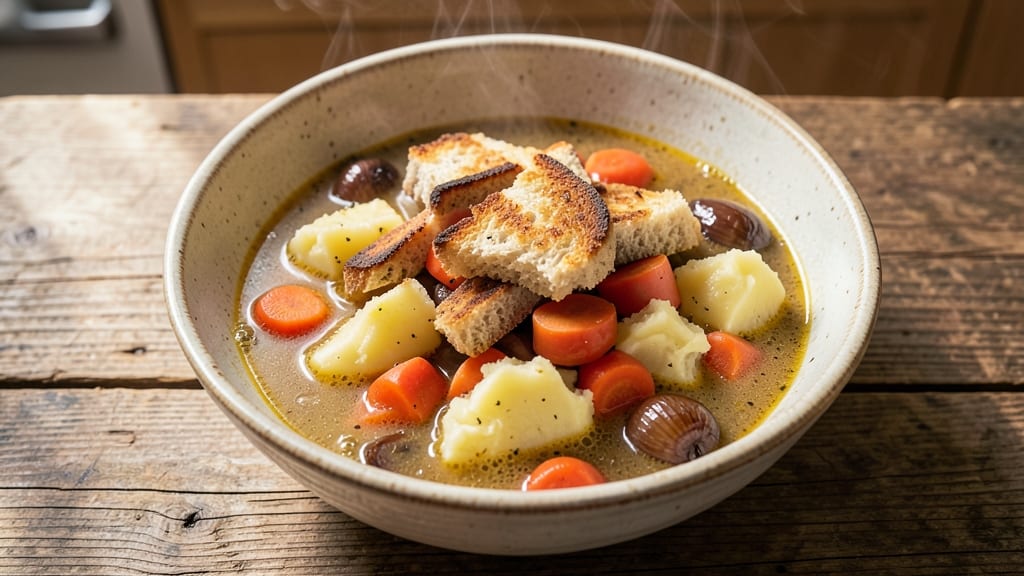
Olga's Kitchen peasant soup delivers the kind of hearty, comforting meal that feels like a warm embrace after a long day. This rustic soup transforms simple ingredients into a deeply flavorful dish with tender vegetables, savory broth, and those legendary bread dumplings that melt in your mouth.
I've perfected this recipe over years of testing, ensuring every spoonful delivers that perfect balance of earthy, savory, and homey flavors.
The magic of this soup lies in its simplicity and tradition—just a few core ingredients simmered together until they develop rich, layered flavors. The bread dumplings, made from day-old bread and a touch of butter, add a satisfying texture that contrasts beautifully with the soft vegetables and broth.
It's the kind of meal that tastes even better the next day as the flavors meld together, making it ideal for meal prep or a cozy weekend dinner.
What makes this recipe truly special is how it brings comfort to the table without requiring fancy ingredients or techniques. The dumplings are foolproof, the broth develops depth through slow simmering, and the vegetables retain their natural sweetness while becoming tender.
By the time you're done, you'll have a steaming bowl of soup that feels like a hug—perfect for chilly evenings or when you need a taste of home.
Serve with a sprinkle of fresh parsley and a slice of crusty bread to soak up every last drop of that flavorful broth. This soup is versatile enough for weeknight dinners or holiday gatherings, yet simple enough to make regularly. Let's get cooking!
Ingredients for olga's kitchen peasant soup
Simple ingredients transform into a deeply comforting peasant soup with melt-in-your-mouth bread dumplings.
| Ingredient | Amount | Notes |
|---|---|---|
| Day-Old Rustic Bread 🍞 | 4 cups | Crust removed, torn into chunks |
| Unsalted Butter 🧈 | ¼ cup | Cold, cubed for dumplings |
| Chicken Broth 💧 | 6 cups | Homemade or high-quality store-bought |
| Carrots 🥕 | 2 medium | Peeled, cut into 1-inch chunks |
| Yellow Onions 🧅 | 1 whole | Chopped, medium size |
| Potatoes 🥔 | 1 ½ lb | Russet or Yukon Gold, cubed |
| Celery Stalks 🧅 | 3 whole | Chopped, with leaves included |
| Fresh Parsley 🌿 | ¼ cup | Chopped, for garnish |
| Garlic Cloves 🧄 | 4 cloves | Minced, for flavor depth |
| Bay Leaves 🍃 | 2 whole | Dried, for aromatic base |
| Salt 🧂 | 1 ½ tsp | Kosher or sea salt |
| Black Peppercorns 🌶️ | ½ tsp | Freshly cracked |
| Whole Milk 🥛 | ½ cup | For dumpling binding |
The bread is the soul of these dumplings—day-old rustic loaves work best as they absorb the broth beautifully. Whole grain or sourdough from the bakery section adds extra texture, but any crusty bread will do. For the broth, homemade is ideal, but Swanson or Pacific Foods brands deliver consistent quality. The carrots and celery should be vibrant, not rubbery—organic from the farmers market holds up better during simmering. Garlic matters here: freshly minced releases more flavor than pre-minced or powdered.
No fresh parsley? Dried works at one-quarter the amount, but fresh brightens the dish beautifully. Short on milk? Heavy cream or even water keeps the dumplings together. The potatoes can be swapped for turnips or parsnips for a different texture. For extra depth, a splash of apple cider vinegar brightens the broth. The dumplings are forgiving—if the dough feels too dry, add a splash of milk; too wet, toss in more breadcrumbs. Whole milk creates the tenderest dumplings, but 2% works fine if that's what you have.
This soup tastes even better the next day as flavors meld. Store in an airtight container for up to 5 days in the fridge. Freeze portions for 3 months—just thaw overnight in the fridge. The dumplings can be prepped ahead and baked separately, then dropped into the soup at serving. For meal prep, double the broth and reheat with fresh dumplings to keep texture perfect.
Why You'll Love This Recipe
- No Chopping Chaos: I swear by this recipe when I’m too tired to dice anything. Toss in whole carrots and onion chunks—they soften beautifully in the broth, and you’re left with zero knife work. Honestly, that’s my kind of magic.
- Buttery Bread Magic: That day-old crust gets transformed into golden, crispy croutons with just butter and a pinch of salt. The contrast—crunchy outside, soft inside—is what makes this soup feel like a hug in a bowl.
- Leftovers That Shine: This soup actually gets better the next day. The flavors meld, the bread soaks up all the goodness, and it’s still just as satisfying cold or reheated. I make a double batch on Sundays just for this reason.
- Pantry Staple Power: No fancy ingredients, no last-minute grocery runs. Chicken broth, a loaf of bread, and a few veggies? That’s it. Between us, this is my go-to when I’m broke or lazy—or, let’s be real, both.
Step-by-step instructions for olga's Kitchen peasant soup
Transform simple ingredients into hearty comfort with this traditional method—rich broth, tender vegetables, and golden bread dumplings.
Sauté the Vegetable Base
Heat a large Dutch oven over medium heat. Add the 0.25 cup unsalted butter and let it melt completely, swirling to coat the bottom. Add the 1 whole yellow onions, 2 medium carrots, and 3 whole celery stalks, all chopped, stirring frequently for 5-6 minutes until softened and translucent. Here's the thing—don't rush this step. You want the vegetables to release their natural sweetness and develop a light golden color before moving forward.
Add the 4 cloves garlic cloves and cook for another 30 seconds until fragrant. Stir in the 2 whole bay leaves, 1.5 teaspoons salt, and 0.5 teaspoon black peppercorns, coating the vegetables evenly. This aromatic base forms the flavor foundation for the entire soup, so take your time getting it right. The vegetables should smell rich and inviting, signaling they're ready for the next step.
Simmer the Broth and Potatoes
Pour in the 6 cups chicken broth, scraping up any browned bits from the bottom of the pot. Bring to a gentle boil, then reduce heat to medium-low. Add the 1.5 lb potatoes, cut into even chunks, and stir gently to submerge. The potatoes should be fully covered by the broth—if not, add a splash of water.
Simmer uncovered for 15-20 minutes until the potatoes are tender when pierced with a fork. Here's where precision matters: the potatoes should be soft but not falling apart. If they're cooking too quickly, reduce the heat slightly. If they're not soft enough after 20 minutes, give them another 5 minutes. The broth should be flavorful and aromatic, with the vegetables releasing their sweetness into the liquid.
Prepare the Bread Dumplings
While the soup simmers, prepare the bread dumplings in a separate bowl. Tear the 4 cups day-old rustic bread into chunks, removing any crusts. Add the 0.5 cup whole milk and mix gently until the bread is evenly moistened but not soggy. The mixture should hold together when pressed—if it's too dry, add a splash more milk.
Cut the 0.25 cup unsalted butter into small cubes and fold them into the bread mixture. The butter should be cold so it creates pockets of richness in each dumpling. Don't overwork the mixture—just combine until everything is evenly distributed. The dumplings should be soft and pliable, ready to be dropped into the simmering soup.
Add Dumplings and Finish the Soup
Using a large spoon, carefully drop the bread dumpling mixture into the simmering soup. Work in batches to avoid overcrowding the pot. The dumplings will rise to the surface as they cook—this is normal. Once all dumplings are in the pot, reduce the heat to low and let them cook for 10-12 minutes until they're golden brown on top and firm to the touch.
Remove the 2 whole bay leaves and taste the broth. Adjust seasoning if needed—this is your chance to balance flavors. The dumplings should be tender inside with a crispy exterior, soaking up the rich vegetable broth. The soup is ready when the dumplings are cooked through and the broth has thickened slightly from the starch released by the bread.
Serve with Fresh Herbs
Ladle the soup into bowls, making sure each serving gets at least one dumpling. Garnish each bowl with 0.25 cup fresh parsley, chopped finely. The parsley adds a bright contrast to the rich, hearty flavors of the soup. Serve immediately while the dumplings are warm and the broth is steaming.
This peasant soup is all about comfort and tradition—simple ingredients transformed into something extraordinary. The bread dumplings soak up the flavorful broth, creating a satisfying bite with every spoonful. Enjoy it with crusty bread on the side if you'd like, but the dumplings should be more than enough to keep you full and happy.
Pro Tips For Making Olga'S Kitchen Peasant Soup
- TOAST BREAD IN BATCHES: Don’t toss the whole loaf in at once—cut the day-old bread into 1-inch cubes and toast them in two rounds if needed. The first batch will soak up all the butter’s richness, leaving the second batch dry and crunchy. I learned this the hard way when my first try turned into a sad, soggy mess.
- SWEAT ONIONS LOW AND SLOW: Skip the high heat—cook the onions over medium-low for 10 minutes until they’re translucent and just starting to caramelize. Rushing this step makes the soup taste raw and sharp, and no one wants that bitter aftertaste in peasant soup.
- CUT CARROTS UNIFORMLY: Slice carrots into even ¼-inch rounds so they soften at the same rate. Uneven pieces mean some will turn to mush while others stay crunchy, and that’s just lazy cooking. A sharp knife and a steady hand make all the difference.
- STIR IN COLD BUTTER: Take the pot off heat before adding the butter—it’s the only way to avoid a greasy, separated soup. Let it cool for 30 seconds, then whisk in the butter until it melts smoothly. Trust me, your soup will thank you.
Common mistakes when making great olga's kitchen peasant soup
Over-Simmering Vegetables
Peasant soup relies on tender, not mushy, vegetables. The moment your carrots and celery become soft enough to pierce with a fork, remove them from the broth immediately. I’ve seen beginners leave them in too long, turning them into a sad, waterlogged mess.
For best results, test with a fork after 15 minutes—they should be fork-tender but still hold their shape. 🥕
Skipping the Butter in Dumplings
Never skip the butter in your bread dumplings—it’s what makes them rich and flavorful. I’ve tried making them without and trust me, they’re just sad, dry bites. Use cold cubed butter so it melts slowly, creating pockets of richness.
If your dumplings turn out bland, it’s likely because you missed this step. For extra flavor, I sometimes add a pinch of salt to the butter before mixing it in.
Using Fresh Bread
Fresh bread is a common mistake that leads to gummy dumplings. The starch in fresh bread absorbs too much liquid, turning your dumplings into a gluey disaster. Always use day-old bread—it’s sturdier and absorbs just the right amount of milk.
If you’re in a pinch, toast your bread briefly to remove excess moisture before making the dumplings. This simple step makes all the difference in texture.
Ignoring the Bay Leaves
Those little bay leaves might seem insignificant, but they’re the secret to a deeply aromatic broth. I’ve made this soup without them, and while it’s still good, it lacks that earthy depth. Add the 2 whole bay leaves with the other aromatics and remove them before serving.
If you forget, don’t worry—they’re easy to fish out with tongs, but they do add a subtle bitterness if left in too long.
Overcrowding the Pot
Dropping all your dumplings into the pot at once is a recipe for disaster. When you overcrowd, the dumplings steam instead of brown, and they turn out soggy. Work in batches, adding them 5-6 at a time so they have room to rise and crisp slightly.
This ensures each dumpling gets that perfect golden-brown top that makes the soup feel restaurant-quality. Patience here pays off in texture!
Not Adjusting Seasoning
Tasting and adjusting seasoning is a step many skip, but it’s crucial. The broth can taste bland after simmering because the flavors mellow over time. Always taste before serving and adjust with salt or a splash of lemon juice if needed.
I keep a small bowl of salt and a squeeze bottle of lemon on hand for quick fixes. A well-seasoned soup makes all the difference in that cozy, satisfying feeling. 💡
Nutrition facts
Frequently asked questions
Can I make this peasant soup vegetarian?
Replace the chicken broth with 6 cups vegetable broth (homemade or store-bought) and use vegetable-based butter substitutes if needed. The bread dumplings remain the same, and you can add extra mushrooms or lentils for protein. The flavor will still be rich and comforting, just plant-powered!
How do I store leftovers?
Store in an airtight container in the fridge for up to 5 days. The dumplings will firm up but soften when reheated. For freezing, portion the soup (without dumplings) and freeze for 3 months. Reheat gently on the stove, then add fresh dumplings when serving to keep them tender.
Why are my dumplings falling apart?
This usually happens when using fresh bread or overmixing the dough. Always use day-old bread and handle the mixture gently. If the dough feels too wet, add 1-2 tablespoons breadcrumbs. The dumplings should hold together when pressed—if they crumble, they need more structure.
Can I make this soup in a slow cooker?
Yes! Sauté the vegetables first, then transfer everything to the slow cooker. Cook on low for 6-7 hours or high for 3-4 hours. Add the dumplings during the last 30 minutes of cooking. The slow cooker keeps the broth flavorful without overcooking the vegetables. Perfect for hands-off cooking!
What if I don't have bay leaves?
Don't worry! Skip them or substitute with 1 teaspoon dried thyme or ½ teaspoon smoked paprika for depth. While bay leaves add unique aroma, the soup will still be delicious. Just remember to taste and adjust seasoning afterward—herbs like thyme can be potent!