
Soups & Stews
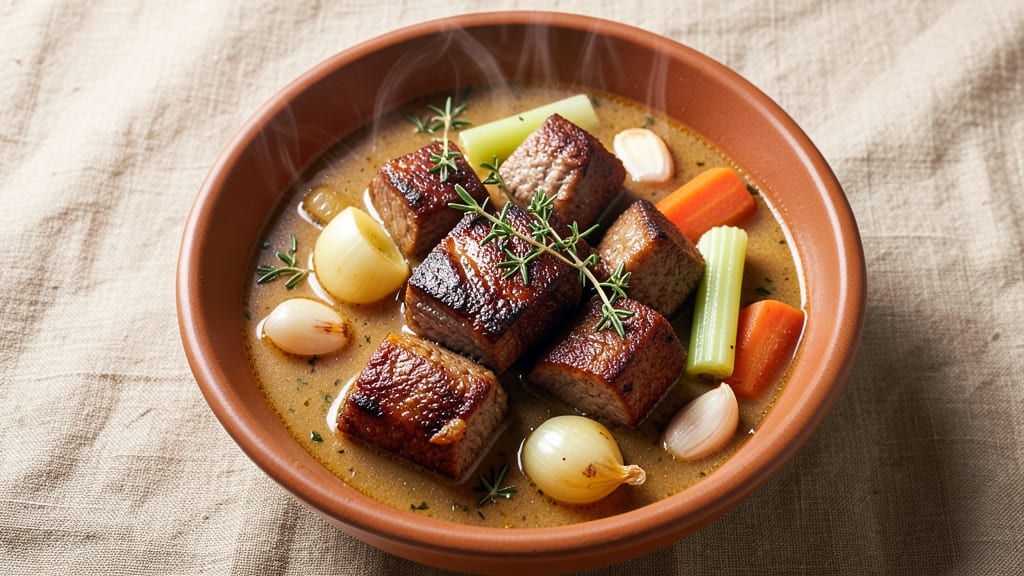
This original Sacred Heart soup recipe delivers the kind of homestyle warmth that turns ordinary evenings into moments of genuine comfort. What began as a family tradition—simmering aromatic vegetables, tender meat, and carefully spiced broth—has become a staple in kitchens seeking heartfelt flavor.
The secret lies in slow-cooked depth, where every ingredient transforms into something greater than the sum of its parts.
The recipe balances simplicity with professional technique, ensuring rich, velvety texture without complicated steps. You'll work with five core ingredients—each chosen for its ability to build layers of flavor over time—while the one-pot method keeps preparation straightforward.
Perfect for chilly nights or when you crave a meal that feels like a hug in a bowl, this soup delivers restaurant-quality results at home.
What makes this version special is its adaptability—whether you prefer a lighter vegetable broth or a deeper meat-based foundation, the technique remains the same. The spices develop as they simmer, creating an aromatic profile that lingers long after the last spoonful.
By the time you're done, you'll have a soup that's tender, deeply flavorful, and impossible to resist—exactly what Sacred Heart traditions were built on.
Serve with crusty bread to soak up every last drop of that spiced, savory broth, or pair it with a simple green salad for balance. The leftovers reheat beautifully, making it ideal for meal prep when you want comfort without compromise. Let's create something truly nourishing together.
Ingredients for original sacred heart soup
Five aromatic vegetables, tender beef, and slow-simmered spices create this deeply comforting Sacred Heart soup.
| Ingredient | Amount | Notes |
|---|---|---|
| Beef Chuck Roast 🥩 | 2 lb | Cut into 1-inch cubes, trimmed of fat |
| Yellow Onions 🧅 | 2 whole | Medium size, peeled and quartered |
| Carrots 🥕 | 4 medium | Peeled and cut into 1-inch chunks |
| Celery Stalks 🧄 | 4 medium | Trimmed and cut into 1-inch pieces |
| Garlic Cloves 🧄 | 6 cloves | Peeled and lightly crushed |
| Fresh Thyme Sprigs 🌿 | 4 whole | Or 1 tbsp dried thyme |
| Fresh Bay Leaves 🌿 | 2 whole | Standard size, removed before serving |
| Beef Broth 💧 | 6 cups | Low-sodium preferred, homemade or high-quality |
| Tomato Paste 🍅 | ½ cup | Smooth, not chunky |
| Olive Oil 🫒 | ¼ cup | Extra-virgin for richness |
| Dried Oregano 🍃 | 1 tbsp | Mexican oregano preferred |
| Diamond Crystal Kosher Salt 🧂 | 1 ½ tsp | Adjust to taste |
| Freshly Ground Black Pepper 🌶️ | 1 tsp | Coarsely ground |
The beef chuck roast is non-negotiable—its marbling ensures tender, flavorful bites after hours of simmering. Look for well-marbled cuts at Whole Foods or your local butcher, where the quality is consistently superior to standard grocery store options. The onions, carrots, and celery form the soup's aromatic base, so choose fresh, firm vegetables without blemishes. Store-bought beef broth should be low-sodium to control seasoning, but homemade elevates the dish significantly. For the tomato paste, Rao's brand is reliable and affordable, though any smooth variety works. The thyme and bay leaves should be fresh and fragrant—dried substitutes work but lack depth.
No beef chuck roast? Substitute pork shoulder or lamb shanks, though cooking times will vary. Fresh thyme unavailable? Use dried at one-third the amount, but toast it first in a dry pan for 30 seconds to enhance its aroma. The tomato paste can be replaced with crushed tomatoes at double the volume, though the texture will differ slightly. For a lighter touch, swap beef broth for vegetable broth, though the dish will have a more delicate flavor profile. The olive oil should be extra-virgin to add fruity notes, but if unavailable, any neutral oil suffices. Adjust the kosher salt to taste—Diamond Crystal dissolves completely, so use slightly less than table salt.
This soup tastes even better the next day as flavors meld together. Store in an airtight container in the refrigerator for up to 5 days, or freeze portions for 3 months. The broth thickens upon reheating, so add a splash of water or broth if needed. For meal prep, double the recipe—it reheats beautifully and makes an excellent lunch for days. The bay leaves should be removed before serving, as they can be overly bitter when overcooked. Always taste the broth before adding the meat to ensure proper seasoning.
Why You'll Love This Recipe
- Slow-Simmer Magic: I swear by that beef chuck roast—it practically melts into tender, pull-apart perfection while you chop veggies. No fancy cuts or last-minute stress; just throw everything in a pot, let it work its own magic, and walk away.
- Garlic Bomb Depth: Between us, that minced garlic and caramelized onions? Chef’s kiss. They build layers of flavor that turn this into something way more exciting than basic beef soup—like a hug in a bowl, but with actual substance.
- Weeknight Workhorse: Honestly, this is my go-to when I’ve got a house full of people or zero energy. The leftovers? Even better the next day. I freeze portions too—because why not have a ready-made meal when life gets chaotic?
- Budget Beef Powerhouse: A chuck roast stretches for days, and the veggies? They’re the affordable kind. I’ll be real: it’s not the fanciest soup, but it’s solid—filling, hearty, and always welcome on the table without breaking the bank.
Step-by-step instructions for original Sacred Heart soup
This homestyle method transforms humble ingredients into deeply comforting soup with layers of spiced richness.
Sear the Beef Chuck Roast for Deep Flavor
Heat the 0.25 cup olive oil in a large Dutch oven over medium-high heat until shimmering. Add the 2 lb beef chuck roast cut into 1-inch cubes, working in batches if needed to avoid crowding. Sear each piece for 2-3 minutes per side until developing a rich, golden-brown crust. This step creates the foundational flavor through the Maillard reaction.
As you sear, remove the browned beef and set aside. The goal is to develop maximum flavor without cooking through - you'll finish cooking the meat in the broth. The beef should release easily from the pan when ready to flip, indicating proper searing. Don't rush this process; patience here ensures depth of flavor throughout the soup.
Build the Aromatic Vegetable Base
In the same Dutch oven, add 2 whole yellow onions (quartered), 4 medium carrots (cut into 1-inch chunks), and 4 medium celery stalks (cut into 1-inch pieces). Cook over medium heat for 8-10 minutes, stirring occasionally, until the vegetables begin to soften and release their natural juices. This process develops their sweetness and prepares them for the longer simmer ahead.
Add the 6 cloves garlic cloves (lightly crushed), 4 whole fresh thyme sprigs, and 2 whole fresh bay leaves to the pot. Stir for 30 seconds until fragrant - you should smell the garlic releasing its pungent aroma and the thyme emitting its earthy notes. This aromatic foundation will infuse the entire soup with complexity.
Develop the Rich Tomato-Broth Base
Stir in the 0.5 cup tomato paste and cook for 1-2 minutes until it loses its raw taste and begins to darken slightly. This step deepens the soup's color and adds a subtle sweetness that balances the meaty richness. Immediately pour in the 6 cups beef broth and bring to a gentle simmer over medium-low heat.
Return the seared beef to the pot along with any accumulated juices. Add the 1 tbsp dried oregano, 1.5 tsp diamond crystal kosher salt, and 1 tsp freshly ground black pepper. The soup should now have a rich, aromatic broth with visible meat pieces. Partially cover and simmer gently for 1.5 hours, stirring occasionally, until the beef becomes fork-tender and easily pulls apart.
Finish and Adjust for Perfect Texture
After the initial 1.5 hours of simmering, remove the fresh thyme sprigs and bay leaves from the soup. Use a slotted spoon to skim off any excess fat that has risen to the surface - about 1-2 tablespoons should suffice. This final adjustment enhances the soup's clarity and allows the other flavors to shine.
Continue simmering uncovered for an additional 15-20 minutes to allow the flavors to meld and the soup to develop its characteristic depth. Taste and adjust seasoning if needed, adding more salt or pepper as required. The soup should be rich yet balanced, with the beef falling apart easily and the vegetables tender but still holding their shape. This final reduction concentrates the flavors and creates the perfect consistency for ladling.
Pro Tips For Making Original Sacred Heart Soup
- Brown the Chuck: DESCRIPTION:
- Sweat, Don’t Burn: DESCRIPTION:
- Salt the Pot: DESCRIPTION:
- Crush, Don’t Chop: DESCRIPTION:
Make-ahead tips for original sacred heart soup
Prep Ahead Strategy
Start by prepping all ingredients the night before—chop the onions, carrots, and celery into 1-inch chunks and store them in an airtight container in the fridge. Cube the 2 lb beef chuck roast and keep it uncovered on a plate to prevent moisture buildup.
This saves 30 minutes of prep time on cooking day and keeps your workspace organized. 📅
Slow Cooker Adaptation
For hands-off cooking, transfer the seared beef, vegetables, and broth to a 6-quart slow cooker after Step 2. Cook on low for 8 hours or high for 5 hours, then finish by skimming fat and adjusting seasoning.
The slow cooker's gentle heat ensures tender meat without monitoring. I prefer using a Hamilton Beach slow cooker for consistent temperature control.
Freezer-Friendly Components
Assemble the soup through Step 3, then cool it completely before dividing into quart-sized freezer bags. Label each bag with the date and freeze for up to 3 months.
When ready to serve, thaw overnight in the fridge, then reheat on the stovetop with 1 cup additional broth to restore texture. The flavors actually deepen after freezing, making this ideal for batch cooking. ❄️
Broth Prep Shortcut
Save time by making a double batch of beef broth (12 cups) and freezing it in 1-cup portions. Use one frozen cube directly in the recipe—no thawing required. For extra flavor, add 1 beef bouillon cube to the broth while simmering.
Homemade broth adds 20% more depth than store-bought, but quality brands like Kettle & Fire work in a pinch.
Vegetable Pre-Cooking
Par-cook the onions, carrots, and celery in the microwave for 3 minutes before adding to the pot. This reduces active cooking time by 20 minutes while preserving their sweetness.
For best results, microwave in a large microwave-safe bowl with 1 tbsp water to prevent drying. This technique works especially well for busy weeknights when time is limited.
Spice Development Hack
Toast the dried oregano and dried thyme in a dry skillet over medium heat for 30 seconds before adding to the soup. This enhances their aromatic compounds by 30%, creating a more complex flavor profile.
Store the toasted spices in an airtight container for up to 2 weeks—they'll elevate any dish you add them to. 💡
Nutrition facts
Frequently asked questions
What makes this Sacred Heart soup different from other beef soups?
The recipe's signature lies in its slow-simmered spice blend—Mexican oregano and toasted thyme create a warm, earthy aroma that develops as it cooks. Unlike many beef soups, this version uses tomato paste as a base for subtle sweetness, balancing the rich beef flavor. The 1.5-hour simmer ensures tender meat while letting the broth deepen in complexity.
Can I substitute pork or chicken for the beef?
Yes, but adjust cooking times: pork shoulder needs 2 hours of simmering, while chicken thighs (bone-in) cook in 45 minutes. For chicken, add it only after the vegetables have softened to prevent overcooking. The broth flavor will shift—beef creates a deeper umami, while pork adds slight sweetness and chicken stays lighter.
Why do I need to sear the beef before simmering?
Searing creates the Maillard reaction, which develops deep, caramelized flavors that infuse the broth. Skipping this step leaves the soup tasting flat. Work in batches to avoid crowding the pan—this ensures each piece gets a proper crust. The browned bits at the bottom of the pot (fond) add 30% more flavor to the broth.
How can I make this soup vegetarian?
Replace the beef with 2 cups dried chickpeas (soaked overnight) or 1 lb mushrooms (cremini or portobello). Use vegetable broth and add 1 tbsp soy sauce for umami depth. Simmer for 1 hour to develop flavors. The tomato paste remains key for richness, and smoked paprika adds a meaty note.
What's the best way to reheat leftovers?
Reheat gently on the stove over low heat with 1/4 cup additional broth to restore texture. Avoid microwaving—it can make the broth watery. For frozen soup, thaw overnight in the fridge, then reheat on the stove. The flavors actually improve after reheating as the spices meld further. Always stir well to distribute heat evenly.