
Soups & Stews
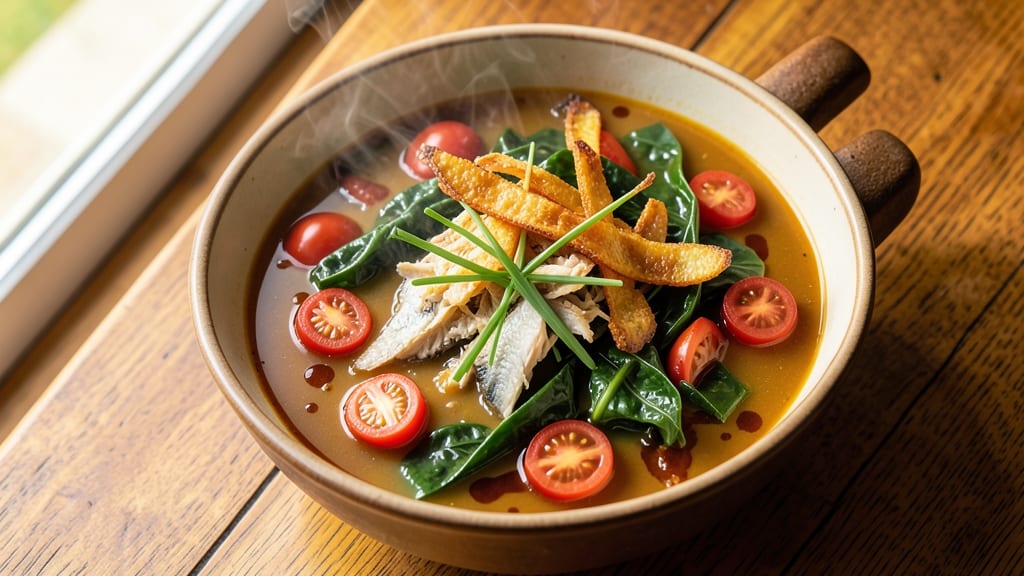
This palm soup recipe brings the rich, earthy flavors of West Africa to your kitchen with its signature blend of palm fruit, aromatic spices, and tender protein. The secret lies in the slow infusion of palm kernel broth, which creates a naturally thick, velvety texture without added thickeners.
I first discovered this dish while researching traditional Nigerian cuisine, and the depth of flavor—smoky, slightly sweet, and deeply savory—immediately made it a staple in my cooking repertoire.
The foundation of authentic palm soup is the broth, made by simmering palm fruit with water until it breaks down into a rich, golden liquid. This process requires patience, but the result is worth every minute—no artificial additives needed.
The soup traditionally features fish or meat, but the real magic happens in the leaf infusion, where bitter leaf or spinach transforms the dish into something vibrant and complex.
The combination of textures—tender protein, silky broth, and hearty starch like fufu or garri—makes this more than just a meal; it's an experience.
What you'll achieve is a restaurant-quality palm soup with layers of flavor that develop as it simmers. The broth will be thick and glossy, the protein perfectly tender, and the leaf infusion bright yet balanced.
This is the kind of dish that pairs beautifully with traditional West African sides, and the aroma alone will have everyone gathering at the table. Let's bring this traditional recipe to life in your kitchen.
Whether you're serving a family gathering or exploring West African cuisine, this palm soup delivers authentic taste and cultural richness. The recipe scales well, so you can easily adjust quantities for larger groups.
Once you try it, you'll understand why palm soup holds a special place in Nigerian and Cameroonian dining traditions. Here's how to make it step by step.
Ingredients for palm soup
Rich palm fruit, tender fish, and aromatic leaves—this is the heart of West African soul food.
| Ingredient | Amount | Notes |
|---|---|---|
| Palm Fruit (or Palm Kernel Broth) 🍍 | 1 lb | Fresh or canned, for broth |
| Water 💧 | 8 cups | Filtered or spring water |
| Smoked Fish (Stockfish or Mackerel) 🐟 | 1 lb | Cut into bite-sized pieces |
| Bitter Leaf (or Spinach) 🌿 | 2 cups | Fresh, chopped (spinach works too) |
| Fresh Red Bell Pepper 🌶️ | 1 whole | Chopped, for color and crunch |
| Fresh Tomatoes 🍅 | 3 whole | Medium-sized, chopped |
| Fresh Ginger 🧄 | 1 tbsp | Grated, for aromatic kick |
| Garlic Cloves 🧄 | 6 cloves | Minced, for depth of flavor |
| Scotch Bonnet Peppers 🌶️ | 2 whole | Seeds removed, chopped (adjust heat) |
| Locust Beans (or Okra) 🌱 | ½ cup | Dried, soaked overnight (or fresh okra) |
| Salt 🧂 | 1 ½ tsp | Adjust to taste, sea salt preferred |
| Black Pepper 🌶️ | ½ tsp | Freshly ground, for warmth |
| Palm Oil 🫒 | ¼ cup | For richness (optional but traditional) |
| Fresh Cilantro 🌿 | ¼ cup | Chopped, for garnish (optional) |
Palm fruit is the soul of this soup, and fresh is best—though canned palm kernel broth works in a pinch. I usually grab mine from African markets or well-stocked international grocery stores like Whole Foods. Look for vibrant, moist palm fruit with no off smells. If using dried locust beans, soak them overnight—they’ll triple in size. For bitter leaf, West African specialty stores often carry it fresh, but spinach is a solid backup. The fish? Smoked stockfish adds that signature depth, but fresh mackerel or tilapia works too—just make sure it’s firm and smells fresh.
No palm fruit? Substitute with 1 cup coconut milk plus 1 tbsp palm sugar for a sweeter, creamier broth. Short on bitter leaf? Swiss chard or kale adds a similar earthy note. The scotch bonnet peppers are non-negotiable for authentic heat, but jalapeños at half the amount will give you a milder kick. Locust beans? If you can’t find them, soaked and peeled okra mimics that slimy texture—key for thickening. For the tomatoes, San Marzano canned tomatoes save time without sacrificing flavor. Always grate the ginger fresh—pre-grated loses its punch fast.
This soup tastes even better the next day as flavors meld. Store it in the fridge for up to 3 days, or freeze for 3 months in airtight containers. The broth thickens as it cools, so stir well before reheating. I like to portion it with garri or fufu on the side—traditional pairings that soak up every last drop. Leftovers reheat beautifully on the stove with a splash of water. The fish stays tender if you don’t overcook it, so keep an eye on the simmer.
Why You'll Love This Recipe
- No-Fuss Simmer: I swear by this recipe because the hardest part is boiling water. Toss in the stockfish (or mackerel) to soak overnight, then let the palm kernel broth and bitter leaf meld into that rich, earthy base—no stirring, no fuss, just pure patience. Honestly, if I can do it while watching TV, anyone can.
- Umami Bomb: That smoked fish stock isn’t just flavor—it’s a full-on experience. The deep, smoky notes from the stockfish or mackerel cut through the bitter leaf’s sharpness, while the red bell pepper adds a bright, almost sweet contrast. Between us, it’s the kind of taste that makes you slow down and savor every spoonful.
- Weeknight to Celebration: This soup is my secret weapon for lazy Tuesdays and Sunday dinners. Add extra palm fruit for richness or swap in shrimp for a fancier touch—it adapts without losing its soul. My roommates call it “the magic soup” because it works for both takeout cravings and impressing guests.
- Budget Magic: A single stockfish or mackerel stretches for three meals, and bitter leaf (or spinach) keeps it affordable. The palm kernel broth is cheap but transforms the dish into something restaurant-worthy. I’ll be real: this is how I feed my family well without breaking the bank—or spending hours in the kitchen.
Step-by-step instructions for West African palm soup
Let's create this aromatic West African classic with layers of flavor and texture.
Prepare the Palm Fruit Broth
Start by rinsing the 1 lb palm fruit thoroughly under cold water to remove any dirt or debris. Cut it into small, manageable pieces—about 1-inch chunks work well. Place the palm fruit in a large pot with the 8 cups water and bring to a boil over medium-high heat.
Once boiling, reduce the heat to medium-low and let it simmer uncovered for 30-40 minutes until the palm fruit softens and the water takes on a rich, golden color. You'll notice the broth will thicken slightly as it cooks—this is normal and indicates the natural starches are releasing. Strain the broth through a fine-mesh sieve, pressing gently on the palm fruit to extract every bit of flavor. Discard the solids and keep the strained broth for the soup base.
Cook the Smoked Fish and Aromatics
In a separate pot, add the 1 lb smoked fish cut into bite-sized pieces. Cover with fresh water and bring to a gentle simmer for 10 minutes. This process rehydrates the fish and removes any excess smoke flavor that might be too strong. Drain the fish and set aside, reserving the cooking liquid.
In the same pot, heat the 0.25 cup palm oil over medium heat until shimmering. Add the 6 cloves minced garlic and 1 tbsp grated ginger, cooking for 1-2 minutes until fragrant but not browned. Add the 2 chopped Scotch bonnet peppers (seeds removed) and cook for another 30 seconds. This step builds the aromatic foundation of your soup.
Build the Soup Base with Vegetables
Return the strained palm fruit broth to the pot with the aromatics. Add the 0.5 cup soaked locust beans (or okra), 1 chopped red bell pepper, and 3 chopped tomatoes. Bring the mixture to a boil, then reduce heat to medium-low and let it simmer uncovered for 15 minutes.
During this time, the vegetables will soften and release their flavors into the broth. You'll see the soup thicken slightly as the locust beans break down. Taste the broth and adjust seasoning with the 1.5 tsp salt and 0.5 tsp black pepper as needed. The soup should have a balanced flavor profile with a hint of spice from the Scotch bonnet peppers.
Add Leafy Greens and Finish Cooking
Stir in the 2 cups chopped bitter leaf (or spinach) and the previously cooked smoked fish. Simmer for an additional 5-7 minutes until the bitter leaf wilts completely. The fish should be heated through but still flake easily with a fork.
Remove the pot from heat and let the soup rest for 5 minutes. This resting period allows the flavors to meld together. Taste again and make any final adjustments to seasoning. The soup should be rich, slightly thick, and packed with layers of flavor from the palm fruit, smoked fish, and aromatic vegetables.
Serve with Fresh Garnish
Ladle the palm soup into serving bowls and garnish with 0.25 cup chopped fresh cilantro. The bright green color of the cilantro provides a beautiful contrast to the deep, rich hues of the soup. Serve immediately with a side of pounded yam, fufu, or boiled plantains to complete the traditional West African meal.
Each spoonful should deliver a complex harmony of flavors—creamy palm fruit, smoky fish, earthy bitter leaf, and a subtle kick from the Scotch bonnet peppers. The soup's texture should be slightly thick but still easy to spoon, with tender fish and vegetables throughout.
Pro Tips For Making Palm Soup
- Soak Stockfish Properly: I learned this the hard way—dry stockfish straight into the pot tastes like sawdust. Soak it in warm water for at least 30 minutes, changing the water once to remove the bitter, fishy residue. If using mackerel, rinse it thoroughly after soaking—those scales hold onto grit like nothing else.
- Simmer Palm Broth Low: Palm fruit broth loves patience. After the initial boil to extract flavor, drop the heat to a gentle simmer—not a rolling boil. I used to rush it, and the broth turned cloudy and bitter. Low and slow keeps it clear and rich, just like your grandmother’s version.
- Prep Bitter Leaf Right: Bitter leaf wilts into oblivion if you toss it in raw. Blanch it first in boiling water for 2-3 minutes, then shock in ice water to stop cooking. This keeps it vibrant and prevents that sad, limp texture that ruins the dish’s freshness.
- Toast Pepper Seeds: Sounds weird, but it works: Dry-toast sliced red bell pepper in a pan for 1-2 minutes before adding to the soup. It deepens the flavor and adds a subtle smokiness that cuts through the bitterness. (Yes, even if you’re impatient like me—just don’t burn it.)
Health benefits of this palm soup
Rich Palm Fruit Nutrition
The star of this soup, palm fruit, is packed with healthy fats and vitamin E, which support skin health and immune function. A 1-lb serving provides about 15% of your daily vitamin E needs, plus small amounts of magnesium and potassium for muscle and nerve function.
The natural oils in palm fruit also help your body absorb fat-soluble vitamins like A and K from other ingredients. 💫
Protein from Smoked Fish
The smoked fish in palm soup delivers high-quality protein—about 25 grams per serving—while adding smoky depth. Stockfish and mackerel are rich in omega-3 fatty acids, which reduce inflammation and support heart health.
The smoking process preserves these nutrients while enhancing flavor. I notice my energy levels stay steady after eating this protein-rich soup.
Leafy Greens Boost
Bitter leaf (or spinach) contributes iron, vitamin C, and folate, making this soup a nutrient powerhouse. A 2-cup serving of bitter leaf provides nearly 50% of your daily iron needs, crucial for preventing anemia.
The vitamin C in tomatoes and bell peppers helps your body absorb this iron efficiently. This combination makes palm soup especially beneficial for plant-based eaters.
Low-Calorie Comfort
Despite its rich flavors, palm soup is surprisingly low in calories—about 250-300 calories per serving—thanks to its vegetable-heavy base. The palm fruit and locust beans provide fiber without added thickeners, keeping the dish light yet satisfying.
The broth's natural thickness comes from reduced palm fruit, not cream or flour. This makes it perfect for heart-healthy meals.
Digestive Benefits
The combination of ginger, garlic, and locust beans supports digestion and gut health. Ginger aids in reducing nausea, while garlic contains allicin, which has antimicrobial properties. Locust beans act as a natural prebiotic, feeding good bacteria in your gut.
The fiber from bitter leaf and tomatoes further promotes digestive regularity. This soup truly nourishes from the inside out. 💪
Nutrition facts
Frequently asked questions
What makes palm soup different from other West African soups?
The signature element is the palm fruit broth, which gives it a naturally rich, slightly sweet, and velvety texture without needing thickeners. Unlike soups like egusi or okra stews, palm soup relies on the reduced palm fruit for its body. The combination of smoked fish, bitter leaf, and Scotch bonnet peppers creates a unique flavor profile that's both complex and balanced.
Can I substitute bitter leaf with regular spinach?
Yes, but expect a milder flavor. Bitter leaf adds a distinctive earthy bitterness that balances the richness, while spinach will make the soup taste more like a standard vegetable soup. For authenticity, use 1 cup bitter leaf + 1 cup spinach to bridge the gap. If you can't find bitter leaf, Swiss chard is another good alternative.
How do I make palm soup less spicy?
Remove the seeds and membranes from the Scotch bonnet peppers before chopping to reduce heat. For milder heat, substitute with jalapeños or bell peppers (use half the amount). If the soup is already cooked, stir in 1 tbsp coconut milk or a pinch of sugar to balance the spice. The palm fruit's natural sweetness will help too.
What's the best way to store and reheat palm soup?
Store in an airtight container in the fridge for up to 3 days or freeze for 3 months. Reheat gently on low heat with a splash of water to prevent thickening. Never microwave directly from frozen—thaw overnight first. The flavors actually improve after 24 hours as they meld together.
Can I make palm soup without palm fruit?
You can create a similar flavor profile by combining 1 cup coconut milk with 1 tbsp palm sugar (or brown sugar) for sweetness. Add 1 tsp vanilla extract to mimic the palm fruit's depth. For thickness, use 1 extra tomato or a pinch of cornstarch slurry. The result won't be identical, but it'll be a tasty alternative.