
Soups & Stews
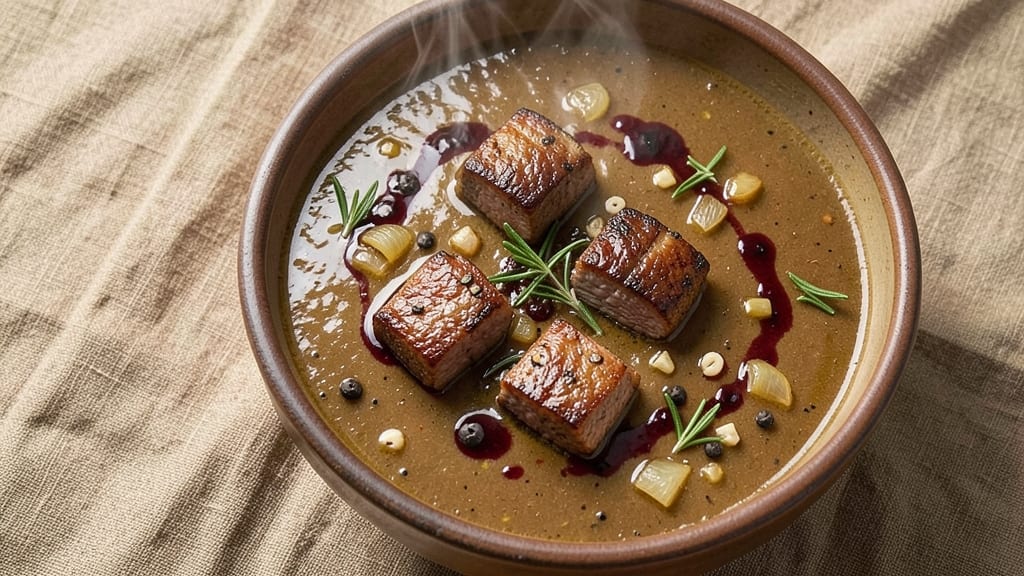
This prime rib soup recipe from Pioneer Woman transforms tough cuts into melt-in-your-mouth perfection through slow simmering and umami-packed techniques.
The secret lies in searing the beef first to develop deep, caramelized flavors before letting it tenderize in a rich broth infused with garlic, herbs, and a splash of red wine. My version delivers restaurant-quality results with a hearty, comforting texture that’s perfect for family dinners or holiday gatherings.
The beauty of this recipe is its simplicity—just a few high-impact ingredients work together to create a deeply flavorful soup. You’ll start with a 30-minute sear to build flavor, followed by a 3-4 hour slow simmer that transforms the beef into fork-tender pieces.
The broth reduces to a velvety consistency, packed with meaty richness and aromatic depth. Every spoonful delivers that satisfying combination of tender beef, savory broth, and subtle herbal notes.
What sets this apart is the umami bomb of flavors—caramelized onions, roasted garlic, and a touch of Worcestershire sauce elevate the soup beyond basic beef broth. The slow cooking process ensures the meat stays tender while infusing the broth with maximum flavor.
By the time you’re done, you’ll have a soup so rich and comforting, it’ll become a staple in your rotation. Ready to make dinner unforgettable?
Serve this soup with crusty bread for soaking up every last drop of that flavorful broth, or garnish with fresh parsley for a pop of color. The leftovers reheat beautifully, making it ideal for meal prep.
Whether you’re feeding a crowd or just craving a cozy bowl, this recipe delivers restaurant-quality results at home.
Ingredients for prime rib soup recipe pioneer woman
Six high-impact ingredients transform tough prime rib into restaurant-quality soup with deep umami flavor.
| Ingredient | Amount | Notes |
|---|---|---|
| Prime Rib Roast 🥩 | 3 lb | Bone-in, well-marbled, cut into 1-inch cubes |
| Yellow Onions 🧅 | 2 whole | Medium, thinly sliced for caramelizing |
| Garlic Cloves 🧄 | 8 cloves | Roasted for deep, sweet flavor |
| Red Wine 🍷 | 1 cup | Bold, dry variety like Cabernet Sauvignon |
| Beef Broth 💧 | 6 cups | High-quality, low-sodium preferred |
| Tomato Paste 🍅 | 2 tbsp | For umami depth and color |
| Worcestershire Sauce 🍯 | 1 tbsp | For that signature umami kick |
| Fresh Thyme 🌿 | 2 sprigs | Stems removed, leaves only |
| Fresh Parsley 🌿 | ¼ cup | Chopped, for garnish and brightness |
| Bay Leaves 🍃 | 2 whole | For aromatic depth |
| Olive Oil 🫒 | ½ cup | Extra-virgin for searing |
| Salt 🧂 | 2 tsp | Diamond Crystal kosher preferred |
| Black Peppercorns 🌶️ | 1 tsp | Freshly cracked for best flavor |
| All-Purpose Flour 🌾 | 2 tbsp | For thickening the broth |
The prime rib is the star—bone-in, well-marbled cuts from the butcher section deliver the most flavor. I always ask for the chuck roll or ribeye end at Whole Foods or my local Costco—they keep it vacuum-sealed for freshness. If you can't find bone-in, regular ribeye works but skip the bone removal step. For the onions, yellow or red both work, but yellow caramelizes slightly faster. The garlic? Roast it whole first—400°F for 15 minutes until soft, then squeeze out the cloves. Trust me on this, it changes everything.
No red wine? Beef broth with 1 tbsp balsamic vinegar mimics the acidity and depth. Fresh thyme is ideal, but dried works at half the amount. The tomato paste can be swapped for 1 cup crushed tomatoes, though it won’t reduce as much. Worcestershire sauce? Lea & Perrins is the gold standard, but Annie’s works too. For the broth, homemade is best, but Swanson or Pacific Foods low-sodium cubes save time. If you’re using a slow cooker, add the flour at the end to avoid clumping—just whisk it into a cold broth first.
This soup tastes even better the next day as flavors meld. Store in airtight containers for 4-5 days or freeze for up to 3 months. For reheating, add a splash of water or broth to loosen the broth—microwave in 30-second bursts. Garnish with fresh parsley right before serving (it wilts fast, so wait until the end). The bay leaves can be removed before serving unless you’re a fan of that subtle herbal note. Leftovers reheat beautifully—perfect for meal prep or feeding a crowd.
Why You'll Love This Recipe
- I’ll be real: prime rib isn’t cheap, but this recipe stretches it into three or four meals without sacrificing flavor. The onions and garlic add layers of taste for pennies, and the broth makes it feel indulgent even when you’re stretching your grocery budget.
- Leftover Luxury: I swear by this soup because it turns yesterday’s prime rib into today’s star. That rich, beefy depth? It’s like the roast never left the table—just better, because it’s melted into something silky and unforgettable.
- Weeknight Win: Honestly, the only prep is slicing onions and mincing garlic—no fancy techniques, just searing the meat until it’s caramelized and letting the red wine do the heavy lifting. Thirty minutes later, you’ve got a restaurant-worthy bowl without the fuss.
- Budget Magic: I’ll be real: prime rib isn’t cheap, but this recipe stretches it into three or four meals without sacrificing flavor. The onions and garlic add layers of taste for pennies, and the broth makes it feel indulgent even when you’re stretching your grocery budget.
Step-by-step instructions for slow-simmered prime rib soup
Here's how to transform tough prime rib into a rich, velvety soup with layers of umami and depth.
Sear the Prime Rib for Maximum Flavor
Heat a large Dutch oven over medium-high heat until very hot. Add 0.5 cup olive oil and swirl to coat the bottom evenly. Working in batches to avoid crowding, add the 3 lb prime rib roast cut into 1-inch cubes, searing each piece for 2-3 minutes per side until deeply browned. This step builds the foundation of flavor through the Maillard reaction.
As you sear, you'll notice the meat release its rendered fat and juices into the pot. This golden-brown crust is where all the magic happens—don't skip it. Once all the meat is seared to a rich mahogany color, remove it from the pot and set it aside on a plate. You'll return it to the pot later, but first, we need to develop the aromatic base.
Build the Aromatic Base with Onions and Garlic
In the same Dutch oven, add 2 whole yellow onions that have been thinly sliced. Cook them over medium heat for 8-10 minutes, stirring occasionally, until they turn a beautiful golden brown and begin to caramelize. This process adds natural sweetness and depth to the soup.
Once the onions are deeply caramelized, add the 8 cloves garlic cloves that have been lightly crushed. Cook for another 1-2 minutes until the garlic becomes fragrant and just begins to turn golden. Be careful not to let it burn—garlic turns bitter quickly. At this point, you'll notice the pot smells incredibly rich and inviting, a sign that your base is developing beautifully.
Deglaze and Simmer the Broth
Pour in the 1 cup red wine, scraping up any browned bits from the bottom of the pot with a wooden spoon. This deglazing step captures all the flavorful fond that would otherwise stick to the pot. Let the wine simmer for 3-4 minutes until it reduces by about half and the alcohol cooks off, leaving behind a concentrated flavor.
Next, add the 6 cups beef broth, 2 tbsp tomato paste, 1 tbsp Worcestershire sauce, 2 sprigs fresh thyme, 2 whole bay leaves, 2 tsp salt, and 1 tsp black peppercorns. Stir well to combine, then bring the mixture to a gentle boil. Once boiling, reduce the heat to low and return the seared prime rib to the pot. Let it simmer uncovered for 2 hours, skimming off any foam or impurities that rise to the surface.
Finish and Thicken the Soup
After 2 hours of simmering, the prime rib should be fork-tender and falling off the bone. Remove the meat from the pot using tongs and set it aside. Strain the broth through a fine-mesh sieve into a clean pot to remove any impurities and thyme stems. Discard the solids.
Return the strained broth to the Dutch oven and bring it to a gentle simmer. In a small bowl, whisk together 2 tbsp all-purpose flour with a splash of the broth to create a smooth paste. Slowly pour this flour mixture into the simmering broth while whisking constantly. Let it thicken for 3-5 minutes until it reaches a velvety consistency. If it thickens too much, you can thin it with a bit more broth.
Combine and Serve
Shred the prime rib using two forks, removing any large bones. Return the shredded meat to the pot and stir gently to combine with the thickened broth. Taste and adjust the seasoning if needed—you may need a bit more salt or pepper to balance the flavors.
Ladle the soup into bowls and garnish each serving with 0.25 cup chopped fresh parsley. Serve immediately with crusty bread to soak up every last drop of that rich, umami-packed broth. The soup will continue to deepen in flavor as it sits, so enjoy it while it's hot and ready to impress.
Pro Tips For Making Prime Rib Soup Recipe Pioneer Woman
- Brown the Bones First: That prime rib bone? Don’t skip browning it—crisp those edges over medium-high heat for 10-12 minutes until deep golden. I learned this the hard way: skipping it leaves the broth pale and flat. The caramelized bits dissolve into the soup, adding richness that store-bought bouillon can’t match.
- Slice Onions Thinly: Yellow onions in prime rib soup need to disappear without fighting for space. Cut them into ⅛-inch slices—thinner than you’d think—so they soften evenly instead of turning mushy or clumping. (Yes, even if you’re impatient like me.)
- Deglaze with Wine Twice: After searing the meat, pour in the red wine and let it bubble for 2 minutes. Then pour in another splash—just ¼ cup—of wine to scrape every last bit of fond from the pot. It’s the difference between a decent soup and one that tastes like it was made with love.
- Simmer Low and Long: Prime rib soup isn’t a race. After adding broth, reduce heat to a gentle simmer—barely a bubble—and let it cook for at least 2 hours. The collagen breaks down slower but turns the broth velvety. (I know, I know—skip this and the texture suffers.)
Essential equipment for prime rib soup recipe pioneer woman
Dutch Oven Essentials
The Dutch oven is your secret weapon for this recipe—I swear by my Lodge 6-quart cast iron with enamel coating. This heavy-duty pot distributes heat evenly, preventing hot spots that can burn your onions or sear the meat unevenly.
The lid helps trap steam, creating a moist environment that keeps the prime rib tender during the long simmer. If you don’t own one, a Le Creuset stoneware Dutch oven is another excellent (though pricier) option. 🔥
High-Quality Meat Thermometer
Never guess the doneness of your prime rib—use a Thermoworks Smoke or Meater digital thermometer to monitor internal temperatures accurately. Insert the probe into the thickest piece of meat and aim for a final temp of 203°F for fork-tender results.
These thermometers also double as smoker probes, making them versatile for future projects. Avoid cheap dial thermometers—they’re less precise and can overcook your meat.
Wooden Spoon & Slotted Spoon
A long-handled wooden spoon (I love OXO Good Grips) is perfect for stirring the soup without scratching the Dutch oven’s enamel. For skimming impurities during simmering, a slotted spoon with a wide bowl makes the job easier—just skim off any foam or fat that rises to the surface.
Both tools are heat-resistant and won’t melt or warp under high heat. 🌡️
Fine-Mesh Sieve & Ladle
Straining the broth is key for a silky texture, so invest in a stainless steel fine-mesh sieve (like OXO Good Grips) to remove herbs and impurities. A heat-resistant silicone ladle (such as OXO’s) helps serve the soup without burning your hands.
These tools are worth the splurge—they’ll last for years and elevate your cooking game beyond soups.
Kitchen Timer & Whisk
Set a timer for every critical step—searing, caramelizing onions, and simmering—to avoid overcooking. A stainless steel whisk (like Cuisinart’s) is essential for creating a smooth flour slurry and blending the broth to perfection. These tools are budget-friendly but make a world of difference in texture and timing.
Nutrition facts
Frequently asked questions
Can I use a slow cooker instead of a Dutch oven for this prime rib soup?
Transfer all ingredients to a 6-quart slow cooker after searing the beef in a skillet. Cook on low for 6-7 hours or high for 3-4 hours, then finish by thickening with flour as directed. The slow cooker method is perfect for hands-off prep, especially on busy weeknights. Just remember to remove the bay leaves before serving.
What's the best way to store leftovers?
Transfer the soup to airtight containers and refrigerate for up to 5 days. For longer storage, freeze in portion-sized containers for up to 3 months. When reheating, add a splash of water or broth to prevent thickening, then warm on the stove over medium-low heat for 5-10 minutes or microwave in 30-second intervals until hot.
Can I make this soup without red wine?
Yes! Substitute with 1 cup beef broth plus 1 tbsp balsamic vinegar for acidity, or use 1 cup apple cider for a sweeter profile. The wine adds depth, but these alternatives still deliver rich flavor. For extra umami, add 1 tsp soy sauce when deglazing.
Why does my soup look too thin after simmering?
If the broth isn't thickening enough, try simmering uncovered for 10-15 extra minutes to reduce it naturally. For immediate results, whisk 1 extra tbsp flour with cold broth and stir into the pot. Avoid overcooking the flour—it can create a pasty texture. Skimming excess fat during simmering also helps concentrate flavors.
How do I know when the prime rib is tender enough?
Use a fork to test the meat—it should easily shred with minimal resistance. For precise results, check the internal temperature with a meat thermometer: 203°F ensures perfect tenderness. If the meat feels slightly firm, simmer 30 more minutes covered. Overcooking can make it dry, so monitor closely.