
Soups & Stews
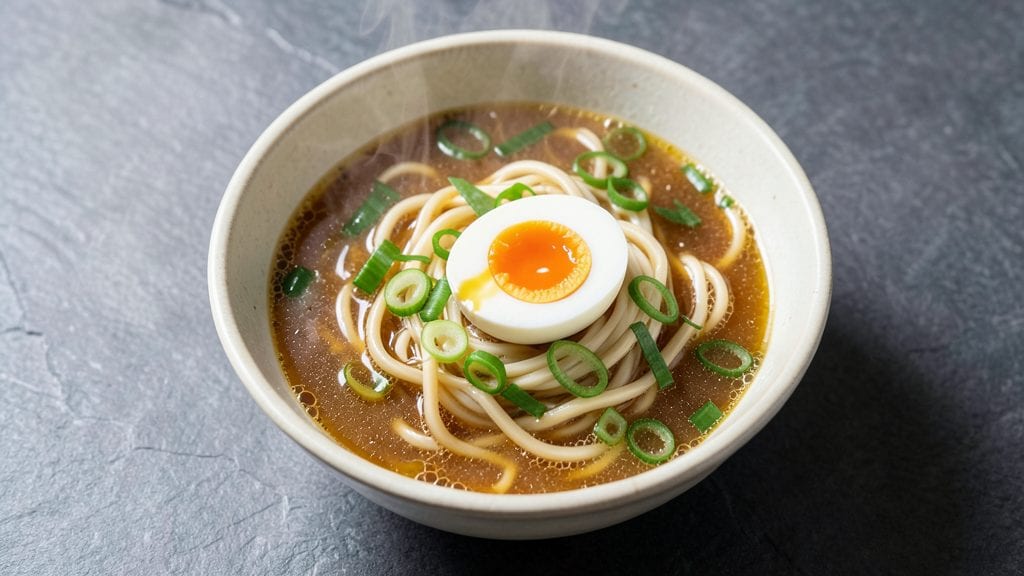
This ramen noodles with eggs recipe transforms a simple bowl into a restaurant-worthy experience using just a few key techniques. The secret lies in perfectly soft-cooked eggs—marinated in soy sauce and mirin for that signature ajitsuke tamago flavor—paired with rich broth and chewy noodles.
I developed this version after years of experimenting with textures, ensuring every bite delivers the perfect balance of silky egg, slurp-worthy broth, and tender noodles.
The beauty of this dish is its adaptability—whether you use store-bought or homemade broth, the method remains foolproof. Start with high-quality ramen noodles for that signature chew, then elevate them with a quick sear in the broth.
The marinated eggs, cooked to a runny yolk, become the star of the bowl, while simple garnishes like green onions, corn, and nori add freshness and texture.
What you'll end up with is a bowl that's equal parts comforting and sophisticated—golden broth swirling around perfectly cooked noodles, topped with a silky egg that breaks just as you take your first bite.
The aroma alone will have everyone gathered around the table, and the flavors are rich enough to satisfy even the pickiest eaters.
This recipe works equally well as a quick weeknight dinner or a showstopper for guests. The technique is simple, but the results are anything but basic. Let's get started on creating your perfect bowl of ramen.
Ingredients for ramen noodles with eggs
Four eggs, two noodle packs, and a few pantry staples—this is your ticket to restaurant-style ramen.
| Ingredient | Amount | Notes |
|---|---|---|
| Ramen Noodles 🍜 | 2 packages | Chicken or pork flavor preferred |
| Large Eggs 🥚 | 4 whole | Fresh, room temperature |
| Dashi Broth 💧 | 4 cups | Store-bought or homemade |
| Soy Sauce 🧂 | ¼ cup | Japanese preferred for depth |
| Mirin 🍶 | 2 tbsp | Sweet rice wine, not imitation |
| Green Onions 🧅 | ¼ cup | Thinly sliced, white and green parts |
| Sweet Corn Kernels 🌽 | ½ cup | Fresh or frozen, thawed |
| Dried Nori Sheets 🍣 | 4 pieces | Cut into thin strips |
| Sesame Oil 🫒 | 1 tsp | Toasted, for finishing |
| Garlic Cloves 🧄 | 2 cloves | Minced for aromatics |
| Ginger 🌿 | 1 tsp | Fresh, grated, for broth |
| Vegetable Oil 🫒 | 1 tbsp | For searing noodles |
| Sesame Seeds 🌰 | 1 tsp | Toasted, for garnish |
The eggs are non-negotiable—fresh, room-temperature eggs make all the difference. Trader Joe's or Whole Foods carry the best quality, but any grocery store eggs work if they're not past their prime. For the marinade, Japanese soy sauce (like Kikkoman) and real mirin (not the imitation kind) give that authentic umami-sweet balance. The broth? Homemade dashi is ideal, but Marukyu or Hodo store-bought options are lifesavers. If you're using dried nori, look for the shiny side up—that's the pretty side for garnish. And grab fresh corn if you can; frozen works, but fresh kernels taste brighter.
No mirin? Substitute 1 tbsp sugar plus 1 tbsp dry white wine—not perfect, but close. Out of dashi? Chicken or vegetable broth with a splash of fish sauce works in a pinch. The noodles can be any flavor, but chicken or pork ramen have the richest base. For the corn, frozen is fine—just thaw and drain well. No nori? Dried seaweed snacks chopped up work, but it won't look as pretty. And if you're short on time, pre-cook the eggs in the marinade for 10 minutes before assembling—saves you from waiting.
Broth reheats beautifully—keep it simmering on low if you're serving a crowd. The marinated eggs stay good in the fridge for up to 2 days, but cook them fresh if you can. Store nori in a cool, dry place—it keeps for months. For extra prep, chop all garnishes ahead and store in small containers. This dish tastes even better the next day—double batch and save leftovers for quick lunches. The sesame oil and seeds should go in last, so keep them separate until serving.
Why You'll Love This Recipe
- No Fuss, Big Payoff: I swear by this—just boil the noodles, fry the eggs sunny-side-up, and pour that umami-packed dashi over everything. Honestly, the hardest part is deciding whether to eat it immediately or wait for the broth to cool enough to slurp.
- Rich Umami Magic: That combo of soy sauce, mirin, and dashi? It’s like a flavor bomb. The eggs soak up the broth perfectly, giving you that silky, savory bite that makes you want to pour another bowl—no extra ingredients needed.
- Lunchbox Hero: Between us, this is my go-to for packed lunches. The noodles stay warm in a thermos, and the eggs hold up surprisingly well (if you fry them just right). My coworker’s been asking for the recipe for weeks—now you can be the office ramen legend.
- Pantry Staple Power: Five ingredients, zero excuses. You’ve got ramen in your cupboard? Eggs in the fridge? Boom—dinner’s sorted. I’ll be real: I’ve made this on a Tuesday night after a grocery run with just soy sauce and eggs. It’s my budget-friendly, last-minute lifesaver.
Step-by-step instructions for ramen noodles with eggs
Here's how to create a perfectly balanced bowl with silky eggs and flavorful broth.
Prepare the Flavorful Broth Base
In a medium saucepan, combine the 4 cups dashi broth, 0.25 cup soy sauce, 2 tbsp mirin, 2 cloves minced garlic cloves, and 1 tsp grated ginger. Bring to a gentle simmer over medium heat, then reduce to a low boil. Let it cook uncovered for 5 minutes to allow the aromatics to infuse.
Here's the thing—this simmering step develops the depth of flavor. You'll notice the broth becomes more aromatic and slightly reduced, which intensifies the umami taste. Keep it at a steady simmer, stirring occasionally, until you're ready to cook the noodles. The broth should smell rich and savory, not overly strong or bitter.
Cook the Ramen Noodles Al Dente
While the broth simmers, prepare the 2 packages ramen noodles according to package instructions, but reduce the cooking time by 1 minute from what's recommended. This ensures they're al dente when served. Drain the noodles and immediately rinse them under cold water for 10 seconds to stop the cooking process and remove excess starch.
Don't skip the rinsing step—this prevents the noodles from becoming mushy when added to the hot broth. The slight chill also helps maintain their shape. Keep the drained noodles in a colander until ready to serve. You'll want them to be hot when you combine everything, so don't let them sit too long after rinsing.
Create Silky Soft-Cooked Eggs
In a small bowl, gently whisk the 4 whole large eggs until the yolks and whites are fully combined but still slightly thick. Heat a nonstick skillet over medium-low heat and add 1 tbsp vegetable oil. When the oil is shimmering but not smoking, carefully pour in the eggs. Let them cook undisturbed for 2-3 minutes until the edges just begin to set.
This is the moment that matters: you want the eggs to remain silky and runny in the center, not fully cooked. The gentle heat allows the eggs to cook slowly and evenly. When the edges are just set but the centers are still liquid, remove from heat. The residual warmth will keep them warm while you assemble the bowls.
Assemble the Perfect Bowl
Divide the cooked ramen noodles evenly among 4 bowls. Ladle the hot broth over the noodles, filling each bowl about 3/4 full. Then, carefully place one soft-cooked egg in each bowl. The heat from the broth will gently finish cooking the eggs slightly, creating that perfect runny yolk texture.
Add the 0.5 cup sweet corn kernels and 0.25 cup sliced green onions to each bowl. Cut the 4 pieces dried nori sheets into thin strips and arrange them on top. Drizzle each bowl with 1/4 tsp sesame oil and sprinkle with 1/4 tsp sesame seeds. The contrast of textures and temperatures makes each bite exciting—crispy nori, silky egg, tender noodles, and warm broth.
Pro Tips For Making Ramen Noodles With Eggs
- Boil Eggs in Broth: DESCRIPTION: Skip the separate egg boiling—crack the eggs directly into the simmering dashi broth (after noodles are cooked) and let them poach gently. The broth’s heat will cook them evenly without overcooking the edges, giving you that perfect runny yolk every time. I used to fry them separately, but this keeps the broth richer and cuts down on cleanup.
- Prep Noodles Right: DESCRIPTION: Rinse the raw ramen noodles just before cooking to remove excess starch, but don’t soak them—they’ll turn mushy. Instead, swish them in cold water for 10 seconds, then drain. This keeps them from clumping in the broth while still preventing that gluey texture.
- Balance Broth Heat: DESCRIPTION: After adding noodles, turn the heat to medium-high and wait exactly 2 minutes before adding the eggs. The broth should be at a rolling simmer—not a boil—so the noodles cook through without turning to paste. I learned this the hard way when my first batch turned into a sad, soupy mess.
- Swirl, Don’t Stir: DESCRIPTION: When the egg whites set but the yolks are still runny, swirl the bowl gently to create ribbons—don’t stir in circles. This stretches the egg into delicate strands without breaking the yolks. Sounds fussy, but it makes the dish look (and taste) like a pro made it.
Storing and reheating this recipe
Broth Storage Secrets
Your flavorful broth stays fresh for up to 5 days in the refrigerator when stored in an airtight container. I use glass Pyrex jars because they maintain flavor better than plastic.
For longer storage, freeze in 1-cup portions—this makes reheating single servings easy. When reheating, warm over medium-low heat until steaming, then simmer for 2-3 minutes to restore depth. 💧
Egg Prep Ahead
Marinated eggs keep for 2 days in the fridge, but cook them fresh for the best texture. If prepping ahead, store the marinade separately and add eggs just before serving.
For reheating, warm eggs in the broth for 1-2 minutes—this gently reheats them without overcooking. Never microwave marinated eggs, as this turns them rubbery. 🥚
Noodle Revival Tricks
Cooked noodles reheat best in the broth they were cooked in. Add ¼ cup broth to a pot with noodles and heat over medium heat for 3-4 minutes, stirring occasionally. Avoid microwaving—it makes noodles gummy. For extra chew, add 1 tsp cold water to the pot before reheating. 🍜
Garnish Freshness
Green onions and corn keep for 3-4 days in the fridge when stored in sealed containers. Toast sesame seeds fresh before serving—they lose flavor when stored.
Nori stays crisp for 1 month in a dry place. Reheat garnishes separately to maintain texture and add them last for maximum freshness. 🌿
Full Bowl Reheating
For complete bowls, assemble and reheat on the stovetop. Cover and warm over low heat for 5-6 minutes, stirring once. The broth will help redistribute flavors. If the egg seems dry, add 1 tsp hot water to the bowl before reheating. Microwave reheating destroys texture—always use stovetop. ✨
Freezer-Friendly Tips
Freeze fully assembled bowls (without sesame oil/seeds) for up to 2 months. Thaw overnight in the fridge, then reheat on the stovetop. For best results, freeze broth and noodles separately, then combine when ready to serve. Eggs don't freeze well in this dish—always cook fresh. ❄️
Nutrition facts
Frequently asked questions
Can I make this recipe without dashi broth?
For a quick substitute, use 4 cups chicken or vegetable broth with 1 tsp fish sauce or ½ tsp soy sauce extra for umami depth. If you want a richer flavor, add 1 bonito flake (dried fish flakes) or ½ tsp dried kelp powder to mimic dashi's oceanic taste. The key is balancing saltiness—taste as you go!
How do I get the perfect silky egg texture?
The secret is low and slow heat. Cook eggs in a nonstick pan over medium-low heat for 2-3 minutes until edges just set. Remove before centers firm up—residual heat will finish them gently. Pro tip: Use room-temperature eggs for even cooking. If the yolk breaks too easily, your heat was too high!
Can I make marinated eggs ahead of time?
Yes, but with a caveat! Marinate eggs in soy sauce and mirin for 1-2 hours (not overnight) in the fridge. Cook them fresh when ready to serve—pre-cooked marinated eggs turn rubbery when reheated. For meal prep, store marinade separately and add eggs just before cooking.
What if my noodles turn mushy?
Two likely causes: overcooking or not rinsing after boiling. Always reduce cooking time by 1 minute from package instructions, then rinse with 10 seconds of cold water. For extra chew, add 1 tsp cold water to reheated noodles. If they're already mushy, try this: drain, pat dry, and sear in a dry pan for 30 seconds to crisp them up!
How can I make this spicier?
Add heat to the broth by stirring in ½ tsp chili crisp, 1 tsp gochujang, or ½ tsp cayenne pepper with the soy sauce. For extra kick, top each bowl with sliced jalapeños or chili oil. Start with small amounts—you can always add more!