
Soups & Stews
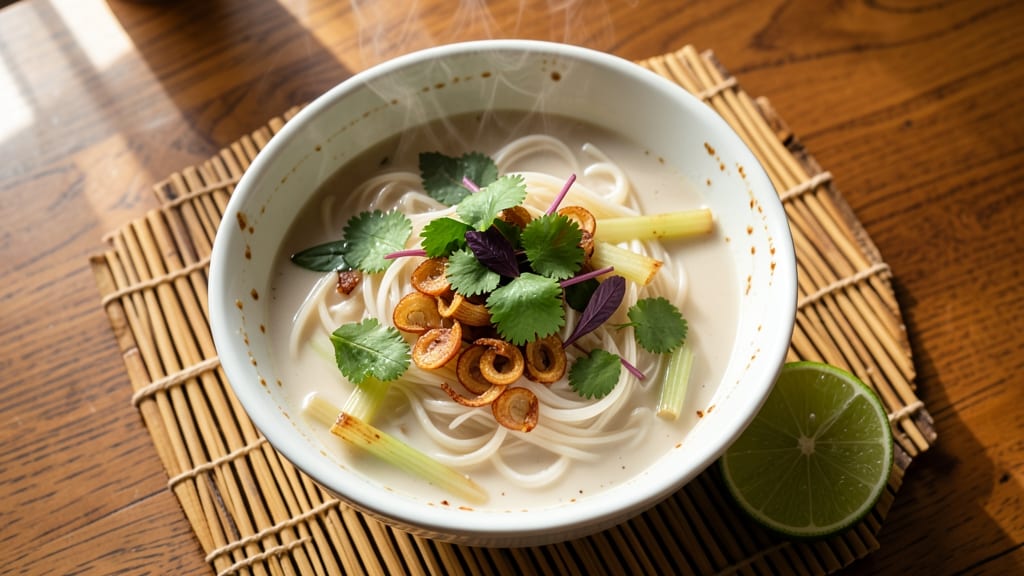
This vermicelli soup recipe delivers the perfect balance of silky coconut broth and delicate noodles that disappear with every slurp. The secret lies in simmering aromatic spices with coconut milk until rich and velvety, then gently folding in tender vermicelli for a dish that feels both comforting and refined.
I developed this version after years of perfecting the technique—no thin, watery broth here, just a deeply flavorful base that clings to each noodle.
The beauty of this soup is its versatility—whether you prefer a lighter vegetable broth or a heartier beef base, the creamy coconut element ties everything together.
Traditional toppings like crispy fried shallots, fresh herbs, and protein (think shrimp or chicken) add layers of texture and flavor without overpowering the delicate noodles.
The key is patience: letting the broth develop its depth while keeping the vermicelli tender ensures each bite is a harmonious blend of creaminess and freshness.
What you’ll end up with is a creamy, aromatic bowl of soup where every spoonful delivers a perfect marriage of textures—slippery noodles gliding through luscious broth, punctuated by crunchy shallots and bright herbs.
This isn’t just soup; it’s a restaurant-quality experience you can recreate at home in under an hour. The best part? It tastes even better the next day as the flavors meld further.
Serve it as a light lunch, a comforting dinner, or even a refreshing appetizer with extra herbs on top. The possibilities are endless, but the foundation—rich coconut broth and delicate vermicelli—remains the same. Let’s get cooking!
Ingredients for vermicelli soup
Creamy coconut broth meets delicate noodles in this restaurant-worthy vermicelli soup.
| Ingredient | Amount | Notes |
|---|---|---|
| Vermicelli Noodles 🍜 | 8 oz | Rice noodles, uncooked |
| Coconut Milk 🥥 | 1 can (13.5 oz) | Full-fat for creaminess |
| Vegetable Broth 💧 | 4 cups | Low-sodium preferred |
| Lemongrass 🌿 | 3 stems | Bruised, cut into 2-inch pieces |
| Garlic Cloves 🧄 | 6 cloves | Peeled, lightly crushed |
| Galangal 🌿 | 1 inch | Sliced thin (substitute ginger) |
| Kaffir Lime Leaves 🍋 | 4 leaves | Torn into quarters |
| Fish Sauce 🐟 | 1 tbsp | Red Boat preferred |
| Palm Sugar 🍯 | 2 tbsp | Or brown sugar |
| Lime Juice 🍋 | 2 tbsp | Freshly squeezed |
| Fresh Thai Basil 🌿 | ¼ cup | Chopped for garnish |
| Crispy Fried Shallots 🧅 | 2 tbsp | Store-bought or homemade |
| Salt 🧂 | 1 tsp | Adjust to taste |
| Black Pepper 🌶️ | ½ tsp | Freshly ground |
| Chicken Breast 🍗 | 1 lb | Poached, shredded (optional) |
The coconut milk is non-negotiable—full-fat gives that luscious texture. Thai Kitchen or Goya cans work perfectly. For galangal, Asian markets have it fresh, but ginger in a pinch works. Lemongrass? Buy the thick stems—3 inches per stem is ideal. Bruise it with the side of your knife to release those amazing oils. Fresh Thai basil is a game-changer, but regular basil in a squeeze works too. I always grab extra because half gets torn over the top while the other half goes in the broth.
No lemongrass? Double the ginger and add a splash of lime zest. Out of kaffir lime leaves? Substitute lime zest plus cilantro—it's not identical, but close. Want to make this vegetarian? Skip the fish sauce and use soy sauce plus a pinch of sugar. The palm sugar is key for that authentic sweetness—brown sugar or coconut sugar works in a bind. For the noodles, 8 oz rice vermicelli is standard, but if you can't find it, angel hair pasta in a pinch (but it won't be the same texture).
This soup tastes even better the next day—flavors meld like magic. Store leftovers in the fridge for 4-5 days, or freeze for 3 months in airtight containers. I always make a double batch because it disappears fast. For serving, keep the fried shallots and herbs separate until the last minute—crunch and freshness matter. Garnish with a crack of black pepper and lime wedge for that restaurant touch.
Why You'll Love This Recipe
- No Chopping Nightmare: The lemongrass and garlic get a quick smash with the flat of a knife—no dicing, no fuss. That fragrant paste builds flavor faster than I can say "dinner’s saved."
- Creamy Without Guilt: Coconut milk makes this rich but light, like a hug in a bowl. The broth keeps it balanced, so it’s never heavy—just pure, velvety satisfaction.
- Lunchbox Hero: Between us, this reheats like a dream. Pack it cold for work or warm it up in minutes—same delicious twist every time. My kids actually ask for leftovers.
- Pantry Powerhouse: Vegetable broth and vermicelli? You’ve got this. It costs next to nothing but feels fancy, and the noodles soften in minutes—not hours. Budget meals shouldn’t taste boring.
Step-by-step instructions for slurp-worthy noodles in creamy coconut broth
This aromatic, creamy soup comes together in minutes with bold Thai flavors you'll crave.
Build the Flavor Base with Aromatics
In a large pot, combine the 4 cups vegetable broth, 3 stems lemongrass (bruised and cut), 1 inch galangal (sliced thin), 4 leaves kaffir lime leaves (torn), 6 cloves garlic cloves (lightly crushed), 1 tbsp fish sauce, and 2 tbsp palm sugar. Bring to a gentle boil over medium-high heat, then immediately reduce to a simmer for 10 minutes. This lets all those aromatic ingredients infuse the broth with their signature Thai depth.
I like to taste the broth at this stage—it should be fragrant with citrusy, slightly peppery notes from the galangal and lemongrass. If it tastes too mild, add another ½ tsp fish sauce. The broth is the foundation, so don't rush this step. The longer it simmers, the more complex the flavors become.
Add Coconut Milk for Creamy Richness
Pour in the 1 can (13.5 oz) coconut milk and stir gently to combine. The heat will cause the coconut milk to separate slightly, creating a naturally creamy texture without needing heavy cream. Let the soup simmer for another 5 minutes—this allows the coconut milk to fully incorporate and develop its rich, velvety quality.
Here's where the magic happens: the coconut milk's natural fats emulsify with the broth, creating that signature Thai soup creaminess. If you're using chicken breast, this is the time to add it—cut the 1 lb chicken breast into bite-sized pieces and add them now. Simmer for 8-10 minutes until the chicken is fully cooked through and flakes easily with a fork.
Finish with Acid and Fresh Herbs
Stir in the 2 tbsp lime juice and 0.25 cup fresh Thai basil. The lime juice brightens the dish, cutting through the richness of the coconut milk while adding a refreshing tang. The Thai basil adds fresh, anise-like notes that elevate the entire soup. Taste and adjust seasoning with 1 tsp salt and 0.5 tsp black pepper—you might not need all of it, but have it ready to balance flavors.
Let the soup simmer for another 2-3 minutes to let the lime juice fully integrate. The basil should be just wilted but still vibrant, not mushy. This is also when I add the 2 tbsp crispy fried shallots—they'll crisp up beautifully in the hot broth, adding a delightful crunchy contrast to the creamy soup.
Cook the Noodles Separately
While the soup simmers, prepare the 8 oz vermicelli noodles by soaking them in hot water for 5-7 minutes until pliable but still slightly firm. The key is not to overcook them—they'll finish cooking in the hot broth. Drain and rinse briefly with cold water to stop the cooking process, then set aside.
Here's the thing about vermicelli: they cook fast and continue cooking even after you drain them. That's why I prefer cooking them separately—it gives you control over their texture. You want them al dente when they hit the soup, so they don't turn mushy from sitting in the hot liquid too long.
Combine and Serve Immediately
Just before serving, add the cooked vermicelli noodles to the soup and stir gently to coat them in the creamy broth. The noodles will absorb some of the liquid, so you might want to add a splash of hot water if the soup seems too thick. Ladle into bowls and garnish with additional fresh Thai basil and crispy fried shallots for that restaurant-quality presentation.
This soup tastes even better the second day, but the noodles won't hold up as well. Serve immediately for that perfect balance of hot, creamy broth and tender vermicelli. Each slurp delivers layers of coconut creaminess, aromatic herbs, and that bright lime finish that makes this soup truly irresistible.
Pro Tips For Making Vermicelli Soup
- Bloom the Lemongrass: Split the stalks lengthwise and give them a quick 5-minute soak in warm water before adding to the broth—this unlocks way more flavor. I used to just toss it in raw, and the soup always tasted like it was missing something.
- Simmer, Don’t Boil: Keep the coconut milk and broth at a gentle simmer (tiny bubbles, not rolling) after combining—otherwise, you’ll scramble the milk instead of infusing it. I learned this the hard way when my soup turned into a sad, lumpy mess.
- Toast the Garlic: Bloom the minced garlic in a dry pot over medium heat for 30 seconds until fragrant before adding broth—this deepens its flavor without burning. Skipping this step means your soup will taste like garlic powder instead of real garlic.
- Soak Noodles Separately: Cook the vermicelli in a separate pot with a splash of water until just tender (about 2 minutes), then drain and rinse with cold water to stop cooking. Adding them straight to the hot soup will turn them to mush—trust me, it’s a game-changer.
Storing and reheating this dish
Refrigerator Storage
Let your vermicelli soup cool to room temperature within 2 hours—never leave it sitting out longer. Transfer to an airtight container (I use glass Pyrex with snap-on lids) and refrigerate at 40°F or below.
The coconut broth actually deepens in flavor overnight, but the noodles will soften further. Store for up to 4-5 days, though I recommend eating within 3 days for best texture. 🌿
Freezer Storage
For long-term storage, freeze portions in quart-sized freezer bags with 1 inch headspace to prevent expansion cracks. Seal tightly to avoid freezer burn, and label with the date.
This soup freezes beautifully for up to 3 months, though the noodles may become slightly mushy upon thawing. To reheat, use the stovetop method below. ❄️
Stovetop Reheating
My preferred method for restoring that creamy texture: place the soup in a pot over medium-low heat and stir occasionally, adding 2-3 tbsp hot water if it thickens too much.
Bring to a gentle simmer for 5-7 minutes, then taste and adjust seasoning—you'll likely need ½ tsp fish sauce or a squeeze of lime to refresh the flavors. Keep the heat low to avoid breaking the coconut milk's emulsion. 🔥
Microwave Reheating
For quick reheating, transfer a single serving to a microwave-safe bowl and cover loosely with a microwave-safe lid. Heat on medium power (50%) for 2-3 minutes, stirring halfway. The coconut milk can separate slightly, so give it a good stir afterward.
If the soup looks too thick, add 1 tbsp hot water and microwave for 30 more seconds. 💡
Reviving Noodles
If the noodles become limp after storage, don't toss them! Reheat the soup as directed, then add 1 tbsp hot water directly to the bowl before serving. The extra moisture will help plump them up slightly.
For extra crunch, top with fresh fried shallots right before eating—this is my secret trick to fool everyone into thinking it's fresh. 🌟
Garnish Refresh
After reheating, always add fresh garnishes to elevate the dish. A sprinkle of Thai basil and crispy fried shallots adds brightness and texture. For an extra boost, crack a pinch of black pepper and a squeeze of lime juice directly into each bowl.
These final touches make all the difference in restoring that restaurant-quality experience. ✨
Nutrition facts
Frequently asked questions
Can I use regular pasta instead of rice vermicelli?
While you can substitute angel hair pasta in a pinch, the texture won't be the same. Rice vermicelli are delicate and absorb broth beautifully, creating that signature silky mouthfeel. Angel hair will hold its shape longer and may taste slightly starchier. For best results, stick with authentic rice noodles—they're worth seeking out at Asian markets or the international aisle.
How do I make this soup vegetarian?
Skip the fish sauce and replace it with 1 tbsp soy sauce plus ½ tsp sugar to mimic the umami depth. Use vegetable broth instead of chicken, and add tofu or mushrooms for protein. The coconut milk and aromatic herbs will still shine—just ensure your substitutions balance the flavors. Taste as you go and adjust with extra lime or salt.
Why does my coconut broth look separated?
This is normal! The coconut milk's natural fats separate when heated, but stirring gently while simmering will re-emulsify it. For a smoother texture, whisk in 1 tsp cornstarch mixed with 1 tbsp water at the end. Avoid boiling—high heat can break the emulsion permanently. The slight separation actually adds to the soup's rustic charm.
Can I make this soup spicier?
Add ½ tsp chili flakes or 1 sliced Thai chili when simmering the broth, or stir in 1 tbsp sriracha at the end. For heat with depth, blend 1 roasted shallot with 1 tbsp lime juice and drizzle over each bowl. Balance with extra coconut milk if needed—the spices will mellow as the soup cools.
What if I can't find galangal?
Use ginger in a 1:1 ratio—it won't be identical, but the peppery warmth will still work. For extra authenticity, add ½ tsp cardamom pods (lightly crushed) to the broth. Galangal's citrusy edge is unique, but ginger brings its own robust flavor that complements the coconut beautifully.