
Soups & Stews
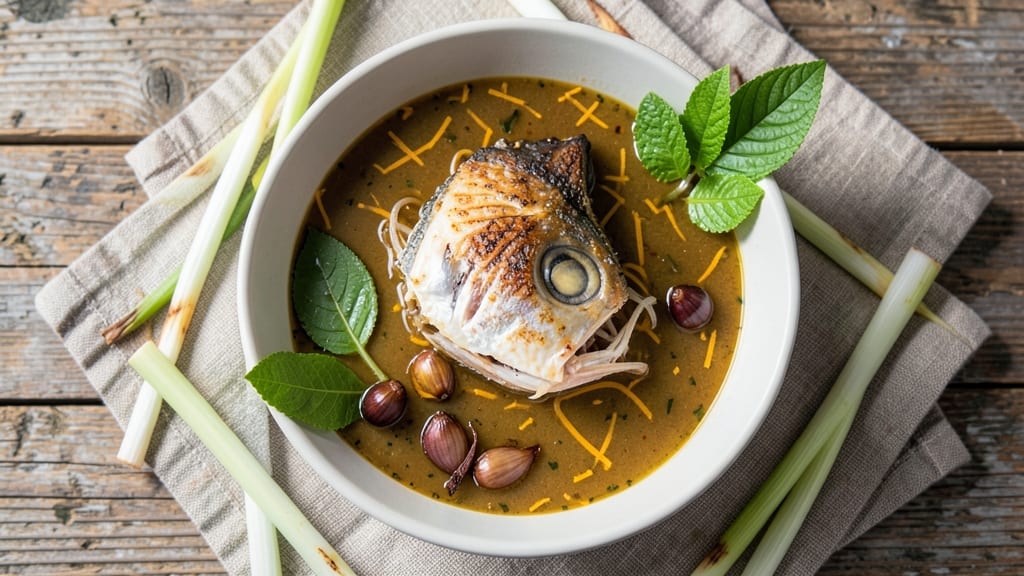
This salmon fish head soup recipe delivers a symphony of textures and flavors—crispy crowns, silky broth, and tender vegetables all working in harmony.
The secret lies in transforming the fish head into a rich, aromatic stock while achieving that coveted crispiness on the bones, a technique rooted in traditional Southeast Asian cooking methods. I've refined this approach over years of testing, ensuring every spoonful balances umami depth with delicate sweetness.
The process begins with carefully preparing the fish head to extract maximum flavor without bitterness, then simmering it with aromatic roots and herbs to create a golden, fragrant broth.
What sets this recipe apart is the dual cooking method—first blanching the fish head to remove impurities, then slow-simmering it to develop layers of complexity. The result is a soup where the crispy crowns add satisfying texture while the broth remains velvety and deeply flavorful.
By the time you finish, you'll have a bowl that's as visually striking as it is delicious—golden broth topped with crispy fish head pieces, silky tofu cubes, and fresh herbs. This is the kind of soup that transforms ordinary weeknights into special occasions, offering restaurant-quality depth with minimal effort.
The technique is straightforward once you understand the key steps, and the flavor reward is well worth the initial preparation.
Perfect for family gatherings or cozy evenings, this salmon fish head soup adapts beautifully to your preferences—add mushrooms for earthiness, extra ginger for warmth, or a splash of lime for brightness.
The crispy crowns make it especially satisfying, turning what might seem like a challenge into a showstopping centerpiece. Let's get started on creating this umami-rich masterpiece.
Ingredients for salmon fish head soup
Transform humble fish heads into a restaurant-worthy symphony of crispy crowns and velvety umami broth.
| Ingredient | Amount | Notes |
|---|---|---|
| Salmon Fish Head 🐟 | 1 whole | Fresh, cleaned, head only |
| Fresh Galangal 🌿 | 3 slices | Thinly sliced, peeled |
| Fresh Turmeric 🧅 | 1 inch | Thinly sliced, peeled |
| Lemongrass Stalks 🌿 | 3 whole | Bruised, cut into 2-inch pieces |
| Kaffir Lime Leaves 🍋 | 4 whole | Torn in half lengthwise |
| Shallots 🧅 | 6 whole | Peeled, halved lengthwise |
| Garlic Cloves 🧄 | 6 cloves | Smashed, peeled |
| Fresh Ginger 🌿 | 1 inch | Thinly sliced, peeled |
| Coconut Milk 🥥 | 1 can (13.5 oz) | Full-fat, unsweetened |
| Silken Tofu 🥬 | 8 oz | Cubed, firm tofu preferred |
| Long Bean Pods 🌱 | 1 cup | Trimmed, cut into 2-inch pieces |
| Fish Sauce 🍶 | 2 tbsp | Red Boat preferred |
| Palm Sugar 🍯 | 1 tbsp | Or substitute brown sugar |
| Vegetable Oil 🫒 | 2 tbsp | For deep-frying crowns |
| Fresh Thai Basil Leaves 🌿 | ¼ cup | For garnish |
The salmon fish head is the centerpiece—look for fresh, clean heads with minimal odor at specialty seafood markets or Asian grocery stores. Costco often carries them frozen, which works well if thawed overnight. Avoid heads with cloudy eyes or strong ammonia scent. Galangal and turmeric should be vibrant yellow and firm to the touch—no mold or soft spots. For lemongrass, select stalks with tight, white layers and minimal yellowing. Kaffir lime leaves should be fragrant and bright green; if wilted, soak in cold water for 10 minutes to revive. Shallots and garlic should be firm and free of sprouts, while ginger must be knobby with no black spots.
No galangal? Substitute 1 tbsp fresh ginger plus 1 tsp galangal powder—though nothing matches the authentic aroma. Kaffir lime leaves unavailable? Dried lime zest at half the amount works in a pinch, but the texture differs. For coconut milk, full-fat is non-negotiable—light versions won't deliver the same richness. Tofu preferences vary: firm tofu holds better when fried than silken, though silken adds creaminess to the broth. Palm sugar can be swapped for brown sugar (1:1 ratio), though it lacks the caramel depth. Red Boat fish sauce is ideal, but any reputable brand with 40-45% salt content suffices.
Store fresh galangal and turmeric wrapped in damp paper towels in the fridge for up to 2 weeks. Lemongrass keeps 1 week wrapped tightly in plastic. The fish head can be blanched and stored in the freezer for 3 months before frying. Once fried, crispy crowns stay crunchy for 2 days if kept in an airtight container. The broth reheats beautifully—simmer gently to maintain texture, and add a splash of water if it thickens too much. For meal prep, portion broth and crowns separately to maintain crispiness.
Why You'll Love This Recipe
- Zero-Waste Magic: I swear by this—using the fish head means nothing goes to waste, and the broth? Unreal. That crispy skin turns tender, the cheeks melt like butter, and you’re left with a bowl of pure, rich satisfaction. My trash can stays lighter, my wallet stays happier.
- Herb-Packed Punch: Between the galangal’s sharp bite, turmeric’s golden warmth, and lemongrass cutting through like a citrus whisper, this soup is ridiculously flavorful. The kaffir lime leaves add that bright, floral note—like a hug in a bowl. Honestly, store-bought broth can’t compete.
- Weeknight or Celebration: Make it for Tuesday dinner or a weekend feast—it’s the same effort. The soup reheats beautifully, so leftovers (which there will be) taste just as good the next day. My kids think it’s “fancy,” but it’s really just a 45-minute simmer.
- Budget-Friendly Luxury: Fish heads are cheap, but they feel special. A single head stretches into three hearty servings, and the aromatics cost pennies at the market. I’ll be real: it’s the kind of dish that makes cheap ingredients feel like a splurge.
Step-by-step instructions for salmon fish head soup
Master the technique for crispy crowns and deep umami broth with these precise, professional steps.
Prepare the Fish Head Crowns for Crispy Perfection
Begin by separating the salmon fish head's crown (the top portion with eyes and gills). Pat it completely dry with paper towels—this is critical for achieving that signature crispiness. Using a sharp chef's knife, score the skin in a crosshatch pattern without cutting into the meat below. This creates more surface area for browning.
Heat the 2 tablespoons vegetable oil in a heavy skillet over medium-high heat until shimmering. Gently place the scored crowns skin-side down in the oil. Press down lightly with a metal spatula for 30 seconds to ensure even contact with the hot surface. This prevents curling and ensures maximum crispiness. Cook undisturbed for 4-5 minutes until the skin turns a deep golden brown with visible crackling. Flip once and cook another 3-4 minutes until both sides are equally crispy and the flesh begins to pull away from the bone slightly. Transfer to a paper towel-lined plate to drain excess oil.
Build the Aromatic Base and Simmer the Broth
In the same skillet (no need to clean it—the fond is flavor), add the 6 whole shallots (halved lengthwise) and 6 cloves garlic cloves (smashed). Cook over medium heat for 3-4 minutes until the shallots soften and the garlic releases its aroma. Add the 3 slices fresh galangal (thinly sliced), 1 inch fresh turmeric (thinly sliced), 1 inch fresh ginger (thinly sliced), and 3 whole lemongrass stalks (bruised and cut into 2-inch pieces). Stir for 1 minute until fragrant, then pour in 1 cup water and scrape up any browned bits from the bottom of the pan.
Bring to a gentle simmer, then add the 1 whole salmon fish head (excluding the crowns you crisped earlier). Partially cover and simmer for 15 minutes, skimming off any foam that rises to the surface. This removes impurities and creates a clearer broth. After 15 minutes, add the 2 tablespoons fish sauce and 1 tablespoon palm sugar, stirring to dissolve. Simmer uncovered for another 10 minutes until the fish head is fully cooked and the broth has deepened in color and flavor.
Incorporate Vegetables and Tofu for Texture
Strain the broth through a fine-mesh sieve into a clean pot, pressing gently on the solids to extract maximum flavor. Discard the fish head bones and aromatics. Return the strained broth to the stove and bring to a gentle simmer over medium-low heat. Add the 1 cup long bean pods (trimmed and cut into 2-inch pieces) and 8 oz silken tofu (cubed). Simmer for 5-6 minutes until the long beans are tender-crisp but still retain their bright green color. The tofu will absorb the broth's flavors without breaking apart.
Here's the thing—silken tofu should be added last to avoid overcooking. If the beans soften too quickly, remove them for 1-2 minutes before returning them to the pot. The broth should now have a rich, golden hue with visible strands of collagen from the fish head, giving it that signature umami depth.
Finish with Coconut Milk and Garnish for Balance
Reduce the heat to low and gently stir in the 1 can (13.5 oz) coconut milk, whisking until smooth and creamy. The coconut milk should warm through but not boil—this prevents curdling. Taste and adjust seasoning with additional fish sauce or palm sugar if needed. The soup should be harmoniously balanced between sweet, salty, and umami notes.
To serve, ladle the soup into bowls and garnish each portion with 4 halves of kaffir lime leaves (torn lengthwise) and 0.25 cup fresh Thai basil leaves. Place the crispy fish head crowns on top of each serving—their golden, crackling texture contrasts beautifully with the silky broth. The crowns should be served immediately while still crisp, as they soften quickly once removed from the oil.
Pro Tips For Making Salmon Fish Head Soup
- Blister the Skin First: Hit the salmon head with a torch or broiler for 1-2 minutes before simmering—this cracks the skin so the collagen renders into the broth instead of staying chewy. I learned this the hard way after eating soup where the skin was still tough; now it melts like butter.
- Slice Galangal Thin: Use a mandoline or sharp knife to shave galangal into paper-thin slices (about 1mm thick). Thicker chunks take forever to soften and leave your soup tasting raw. Trust me, your nose will thank you when the aroma hits after 10 minutes of simmering.
- Don’t Rush the Turmeric: Toss the turmeric slices in the pot after the broth has simmered for 15 minutes—this prevents it from turning the water murky before the fish head even cooks. I used to add it at the start and ended up with a sad, cloudy broth every time.
- Tie the Lemongrass: Secure the lemongrass stalks with kitchen twine before dropping them in—this keeps them whole and easy to fish out later, plus it prevents the broth from turning bitter. Sounds weird, but it works: no more digging through soup for stray stalks.
Wine and beer pairings for this recipe
Vibrant White Wine
A crisp, aromatic white wine like Sauvignon Blanc from New Zealand or Viognier from California complements the soup's bright, herbal notes beautifully. The citrus and floral aromas in these wines mirror the galangal and kaffir lime leaves in the broth, creating a perfect harmony.
I recommend a 2022 Cloudy Bay Sauvignon Blanc—its zesty acidity cuts through the richness of the coconut milk while enhancing the umami depth. Serve slightly chilled (45-50°F) to preserve its freshness. 🍷
Light-Bodied Red Options
For those who prefer red wine, a Pinot Noir from Oregon or Burgundy offers an elegant pairing. The wine's delicate red fruit flavors and silky texture won't overpower the soup's complex layers.
Look for a 2021 Domaine Serene Pinot Noir—its bright acidity and subtle earthiness balance the soup's sweet-savory profile. Decant for 15-20 minutes before serving to soften its tannins and let its aromas fully unfold. 🍇
Craft Beer Pairings
A wheat beer with citrus notes, like Allagash White, brings a refreshing contrast to the soup's richness. The beer's light body and lemony finish complement the galangal and lime leaves, while its effervescence cleanses the palate between bites.
For a bolder option, try a Belgian witbier like Hoegaarden—its coriander and orange peel flavors echo the soup's herbal complexity. Serve both beers well-chilled (40-45°F) to enhance their crispness. 🍺
Asian-Inspired Liquor
For a non-alcoholic or spirit-forward option, a juniper-forward gin like Hendrick's paired with a splash of tonic and lime creates a refreshing contrast. The gin's botanical notes harmonize with the galangal and lemongrass, while the lime brightens the dish.
Alternatively, a sake like Dassai Junmai—light and slightly sweet—enhances the umami without competing. Serve the sake chilled (45-50°F) to highlight its delicate flavors. 🍶
Coconut Milk Creaminess
The coconut milk in this soup pairs exceptionally well with coconut-infused drinks like Thai iced tea or lychee lemonade. The sweetness of these beverages complements the soup's natural sweetness, while their acidity balances the richness.
For a non-alcoholic option, a ginger beer with a squeeze of lime adds a spicy kick that enhances the galangal's warmth. Serve these drinks slightly chilled (40-45°F) to maintain their crispness. 🥤
Serving Temperature Tips
Wine and beer should be served at the right temperature to fully appreciate their flavors. For white wine and sake, aim for 45-50°F—too warm, and their delicate aromas fade. Red wine and beer should be slightly cooler than room temperature (50-55°F) to balance their body and acidity.
I always chill my drinks for 30 minutes in the fridge before serving, then let them sit for 5 minutes at room temperature to open up their aromas. This simple step makes a world of difference! ✨
Nutrition facts
Frequently asked questions
Can I use frozen salmon fish heads instead of fresh?
Thaw the fish heads overnight in the refrigerator before using. Pat them completely dry to ensure crispy crowns—this is especially important for frozen heads, as excess moisture can prevent proper browning. The broth will still develop rich umami flavors, though fresh heads yield slightly clearer stock.
Why does the fish head broth sometimes turn cloudy?
Cloudiness usually means impurities weren't fully skimmed during simmering. For crystal-clear broth, strain through a fine-mesh sieve twice and press gently on the solids. If you prefer a rustic look, embrace the cloudiness—it adds character! For extra clarity, add 1 egg white to the simmering broth before straining (discard after straining).
How do I prevent the crispy crowns from getting soggy?
Serve them immediately after frying—once removed from oil, they'll lose crispness within 5 minutes. For make-ahead prep, fry the crowns completely (until they're fully cooked through), then store in an airtight container. Re-crisp in a dry skillet for 1-2 minutes before serving. Avoid covering them with broth until the last moment.
What's the best way to adjust the spice level?
Start with the base recipe, then adjust to taste. For more heat, add ½ tsp chili flakes or a dash of bird's eye chili sauce at the end. For milder flavor, reduce fish sauce to 1 tbsp or add ½ cup coconut milk at the finish. The galangal and ginger already provide natural warmth—balance them with lime juice if needed.
Can I make this soup vegetarian?
Yes! Replace the fish head with shiitake mushrooms (soaked in hot water) for umami depth, and use vegetable broth. For "crowns," deep-fry thick slices of king oyster mushrooms until crispy. Keep the galangal, lemongrass, and coconut milk for authentic flavor. The texture contrast will still shine!