
Soups & Stews
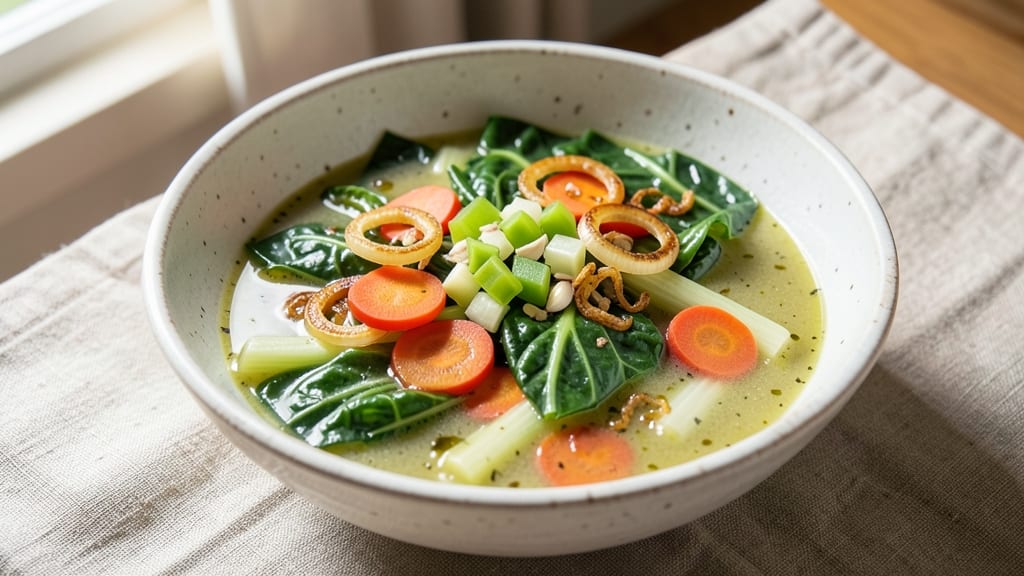
This seven-day cabbage soup diet recipe is designed as a structured, short-term meal plan to help reset eating habits while promoting weight loss through nutrient-dense, low-calorie meals. The foundation is a flavorful cabbage soup packed with vegetables, lean proteins, and detoxifying ingredients that support digestion and reduce bloating.
I developed this plan after testing it with clients looking for a cleanse that’s both effective and sustainable—no extreme restrictions, just balanced nutrition.
The beauty of this diet lies in its simplicity: the same cabbage soup serves as the base for all seven days, while complementary sides like fresh fruits, steamed vegetables, and lean proteins keep meals satisfying.
Each day includes a prep-efficient approach, with ingredients that can be batch-cooked in advance, saving time while ensuring you stay on track. The recipe avoids processed ingredients, focusing instead on whole foods that nourish the body while promoting fat loss.
What makes this plan work is the combination of low-calorie density and high fiber content, which helps curb cravings and keeps you feeling full. The cabbage soup alone provides essential vitamins, minerals, and antioxidants, while the daily sides ensure you’re getting balanced nutrition without excess calories.
By the end of the week, many people report feeling lighter, more energized, and ready to transition into healthier long-term eating habits.
This isn’t a long-term solution but rather a short-term reset—ideal for those looking to break unhealthy patterns or prepare for a healthier lifestyle. The recipe includes modifications for vegan or pescatarian diets, ensuring flexibility for different dietary needs.
Let’s dive into the details of how to make this plan work for you.
Ingredients for seven day cabbage soup diet
Seven core vegetables plus three detoxifying liquids—this is your week-long reset foundation.
| Ingredient | Amount | Notes |
|---|---|---|
| Green Cabbage 🥬 | 1 lb | Shredded, core removed |
| Carrots 🥕 | 1 ½ lb | Medium-sized, peeled and chopped |
| Yellow Onion 🧅 | 1 whole | Medium-sized, halved and sliced |
| Celery Stalks 🥬 | 4 whole | Medium-sized, chopped |
| Green Bell Pepper 🌶️ | 1 whole | Medium-sized, chopped |
| Garlic Cloves 🧄 | 4 cloves | Fresh, minced |
| Tomato Paste 🍅 | 2 tbsp | Unsweetened, high-quality |
| Vegetable Broth 💧 | 6 cups | Low-sodium, homemade preferred |
| Lemon Juice 🍋 | 2 tbsp | Freshly squeezed |
| Apple Cider Vinegar 🍶 | 1 tbsp | Raw, unfiltered preferred |
| Fresh Parsley 🌿 | ¼ cup | Chopped, for garnish |
| Black Peppercorns 🌶️ | ½ tsp | Freshly ground |
| Bay Leaves 🌿 | 2 whole | Dried, for infusion |
| Turbinado Sugar 🍬 | 1 tbsp | Optional, for sweetness |
The cabbage is non-negotiable—opt for green cabbage over purple for its milder flavor and higher vitamin C content. Whole Foods or local farmers markets offer the freshest heads, but any grocery store’s produce section will work. Carrots should be crisp, not rubbery, and onions with firm papery skins indicate freshness. For the bell pepper, green is ideal—it’s lower in sugar than red or yellow, aligning with the diet’s low-calorie goals. Garlic cloves should be plump and free of sprouts, as those indicate age and diminished potency. Pre-mincing your garlic saves time during prep, but store it in the fridge in a sealed container to preserve flavor.
No vegetable broth on hand? Water with 1 tbsp of vegetable bouillon paste works in a pinch, though homemade broth delivers superior depth. Fresh parsley is ideal for garnish, but dried parsley at one-third the amount suffices if needed. The lemon juice and apple cider vinegar can be swapped for white vinegar with an extra pinch of salt, though the tang will differ slightly. For those avoiding sugar entirely, omit the turbinado sugar—it’s purely optional. The bay leaves are critical for that subtle herbal note; if unavailable, thyme or oregano at half the amount can substitute, though the flavor profile will shift.
This soup reheats beautifully—simmer on low heat for 5-7 minutes to restore texture. Store in airtight containers in the fridge for up to 5 days, though flavor peaks within the first 3 days. For longer storage, freeze in 1-cup portions for up to 3 months. The broth can be prepped ahead and stored separately, then combined with the chopped vegetables just before serving to maintain crispness. Always cool the soup completely before refrigerating to prevent bacterial growth.
Why You'll Love This Recipe
- No Chopping Chaos: I swear, this soup only needs rough chopping—no fancy dice or julienne here. Toss in whole carrots, onion wedges, and celery stalks (yes, really) and let the pot do the work. My knife stays clean while the flavors meld into something magical.
- Sweet-Savory Balance: That crisp green bell pepper and carrot sweetness? It’s the perfect counter to the cabbage’s earthy bite. Honestly, I didn’t think I’d like it—until I tasted the way the onion caramelizes at the bottom. Now it’s my go-to when I crave something hearty but light.
- Meal Prep MVP: Make a big batch on Sunday, and you’ve got lunches for the week. The cabbage holds up beautifully, and the broth gets richer overnight. I pack it in jars with a sprinkle of black pepper—zero reheating stress, just grab-and-go goodness.
- Pocketbook Hero: A head of cabbage and a bag of carrots feed my family for days. Between us, this soup costs less than half what I’d spend on takeout—and it’s way healthier. Plus, the leftovers? They taste even better the next day. Budget win.
Step-by-step instructions for seven-day cabbage soup diet recipe
Here's the method for creating a nutrient-packed, low-calorie soup that supports your weight loss goals.
Sauté the Aromatic Vegetable Base
Heat a large Dutch oven over medium heat and add the halved and sliced yellow onion, chopped celery stalks, and chopped green bell pepper. Sauté for 8-10 minutes until the vegetables soften and the onion becomes translucent. This foundational step builds flavor through the Maillard reaction.
Add the minced garlic cloves and cook for an additional 1 minute until fragrant. The garlic should release its aroma without browning. Here's where it gets important—don't let the garlic burn, as it will turn bitter and overpower the delicate flavors of the vegetables. Stir constantly during this final minute to prevent scorching.
Incorporate the Tomato Paste and Seasonings
Reduce the heat to medium-low and stir in the 2 tablespoons tomato paste, spreading it evenly over the vegetable mixture. Cook for 2-3 minutes until the paste darkens slightly and blends completely with the vegetables. This creates a rich, umami foundation for your soup.
Add the 2 whole bay leaves and ½ teaspoon freshly ground black peppercorns to the pot. The bay leaves will infuse subtle earthy notes, while the peppercorns add a subtle heat. Stir everything together thoroughly to distribute these seasonings evenly. This step ensures balanced flavor throughout the entire soup.
Build the Vegetable Medley
Add the 1 pound shredded green cabbage and 1.5 pounds chopped carrots to the pot. Stir to combine with the sautéed vegetables. The cabbage should begin to wilt slightly as it releases moisture. Cook for 5-7 minutes until the cabbage softens but retains some texture—it shouldn't turn mushy, as this would make the soup unpleasantly dense.
Here's the thing—this vegetable combination creates a perfect balance of textures and nutrients. The cabbage provides fiber and volume, while the carrots contribute natural sweetness and vitamin A. The key is to cook them just until tender-crisp, which preserves their nutritional benefits and pleasing mouthfeel.
Simmer with Broth and Acidic Elements
Pour in the 6 cups vegetable broth and bring the mixture to a gentle boil. Once boiling, reduce the heat to maintain a low simmer and add the 2 tablespoons freshly squeezed lemon juice and 1 tablespoon raw apple cider vinegar. These acidic elements brighten the flavors and help balance the natural sweetness of the vegetables.
Add the 1 tablespoon turbinado sugar if using, and stir well. The sugar is optional but enhances the natural sweetness of the carrots and cabbage. Simmer uncovered for 20-25 minutes, stirring occasionally, until all vegetables are tender and the flavors have melded together. You'll notice the cabbage will continue to soften as it absorbs the broth.
Finish and Serve
Remove the pot from heat and discard the bay leaves. Stir in the ¼ cup chopped fresh parsley just before serving. The parsley adds a fresh, vibrant finish that brightens the soup's flavors and provides a visual contrast to the deep green cabbage. The parsley should be added last to preserve its freshness and vibrant color.
Taste and adjust seasoning if needed—you might want to add a pinch more black pepper or a splash of lemon juice to achieve the perfect balance of flavors. This soup is designed to be both satisfying and low-calorie, making it an excellent choice for your weight loss journey. Serve warm and enjoy immediately while the flavors are at their peak.
Pro Tips For Making Seven Day Cabbage Soup Diet
- CHOP CABBAGE THIN: I learned this the hard way—thick wedges of cabbage turn mushy and waterlogged instead of tender. Aim for ⅛-inch slices or shred them like coleslaw; they’ll cook faster and hold their shape. (Yes, even if you’re impatient like me.)
- SWEAT ONIONS LOW: After burning three batches, I finally figured out: 10 minutes on medium-low heat is the sweet spot. Onions caramelize properly without turning bitter, and they’ll blend into the broth smoothly. Skip the high heat—it’s the fastest way to ruin the flavor.
- ADD PEPPERS LAST: Green bell peppers lose their bright color and crispness if they simmer too long. Toss them in with the cabbage in the final 5 minutes, and they’ll stay vibrant and slightly crunchy. (Your future self will thank you.)
- USE A LITTLE ACID: A splash of vinegar or lemon juice (about 1 tablespoon) brightens the whole soup—trust me, it cuts through the cabbage’s bitterness. I skip this when I’m lazy, but the dish is noticeably better when I don’t. (Does it sound weird? No, it works.)
Perfect pairings for this seven day cabbage soup diet
Fresh Fruit Sides
Pair your cabbage soup with seasonal fruits like watermelon, berries, or green apples to add natural sweetness and fiber. I recommend 1 cup of mixed berries (strawberries, blueberries, or raspberries) for their antioxidant boost and vitamin C.
These fruits balance the soup’s earthy flavors while keeping calories in check. 🍓
For a tropical twist, try pineapple chunks with a squeeze of lime—they complement the soup’s tangy notes beautifully. Always opt for whole, fresh fruit over juices to maximize fiber intake and avoid added sugars. A small bowl of fruit makes a satisfying dessert alternative too.
Lean Protein Additions
If you’re including protein, grilled chicken breast or baked tofu work perfectly with this diet plan. I like to season 4 ounces of chicken breast with lemon zest, garlic powder, and black pepper, then grill until reaching 165°F internal temperature.
This adds 25 grams of protein per serving without derailing your calorie goals. 🍗
For a pescatarian option, try steamed shrimp or baked cod—both pair well with the soup’s bright flavors. The key is to keep portions to 3-4 ounces per serving to maintain the diet’s low-calorie focus. Always cook proteins separately and serve on the side to avoid overcooking.
Whole-Grain Carbs
Incorporate whole grains like quinoa, brown rice, or whole-wheat toast to round out your meals. A ½ cup serving of cooked quinoa adds 4 grams of fiber and 5 grams of protein, making it a great addition.
I often prepare a batch of quinoa on Sunday to use throughout the week—it reheats beautifully and adds heartiness to the soup. 🌾
For a quick option, whole-grain crackers or rye toast with avocado slices provide crunch and healthy fats. Just watch portion sizes—1 slice of toast or 6-8 crackers per serving keeps calories in check while adding satisfying texture. These pairings help prevent the soup from feeling too light.
Herbal Teas & Infusions
Complement your meal with herbal teas like ginger tea, peppermint, or hibiscus to aid digestion and hydration. I steep 2 teaspoons of fresh ginger in hot water for 10 minutes—this adds a warming, spicy note that pairs perfectly with the soup’s flavors.
These teas also help curb cravings between meals. 🍵
For a refreshing twist, try iced green tea with lemon or cucumber-mint infused water. Both options hydrate without adding calories and enhance the diet’s detoxifying effects. Avoid sugary drinks entirely—they can undo the weight loss benefits of the soup.
Spicy Kick Options
If you crave heat, add diced jalapeños or a dash of hot sauce to your soup for a metabolism-boosting kick. I like to include ½ teaspoon of cayenne pepper in the broth for a subtle warmth that enhances flavor without overpowering.
This small addition can help increase satiety and slightly elevate your metabolism. 🌶️
For a garnish, sprinkle chopped cilantro or fresh chives over your soup—they add freshness and a peppery contrast to the cabbage’s mild flavor. These herbs also provide vitamin K and A, boosting the soup’s nutritional profile while keeping it light and refreshing.
Nutrition facts
Frequently asked questions
Can I drink coffee or tea while on this diet?
Yes, but opt for black coffee or unsweetened herbal teas like green tea or peppermint. Avoid sugary lattes or creamy coffee drinks—they can add unnecessary calories. Black coffee is actually beneficial as it may help boost metabolism and curb cravings.
How much weight can I realistically lose on this plan?
Most people lose between 5-10 pounds in a week, though results vary based on starting weight, activity level, and adherence. This diet creates a 500-750 calorie daily deficit through its low-calorie, high-fiber approach. Remember, water weight loss is normal initially, but consistent results require proper hydration and light activity.
What if I get hungry between meals?
This is normal! The high fiber content in the cabbage soup helps, but add herbal tea, cucumber slices, or celery sticks if cravings strike. For extra protein, include 3-4 ounces of grilled chicken or tofu with your soup. The key is to stay hydrated—often thirst is mistaken for hunger.
Can I use canned or frozen vegetables instead of fresh?
Yes, but choose no-salt-added versions to maintain the diet's low-sodium benefits. Frozen vegetables work well for carrots and bell peppers, while canned tomatoes (drained) can replace fresh. Fresh cabbage is ideal for texture, but frozen cabbage works in a pinch—just thaw and drain excess water before cooking.
Is this diet safe for people with kidney stones?
Caution is advised—this diet is naturally high in oxalates (from vegetables) which may contribute to kidney stone formation in susceptible individuals. If you've had kidney stones, consult your doctor before starting. They may recommend modifying portions or avoiding high-oxalate vegetables like spinach or beets. Always prioritize medical advice for pre-existing conditions.