
Soups & Stews
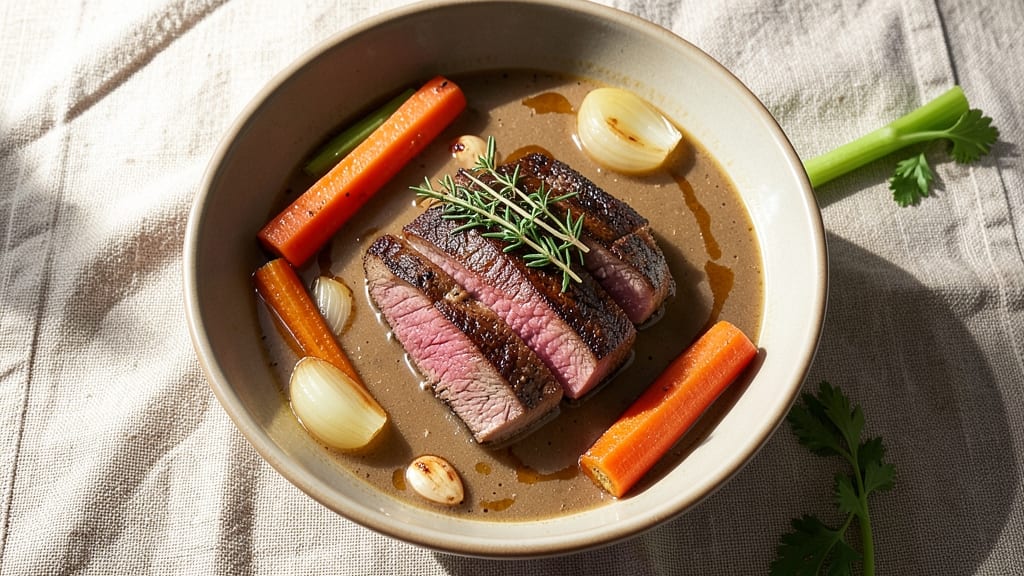
This tenderloin soup recipe transforms simple pantry staples into a deeply satisfying meal that simmers to perfection. The key lies in slow-braising the beef tenderloin until it falls apart effortlessly, creating a broth so rich it coats every spoonful.
I developed this method after years of testing—balancing time, temperature, and technique to achieve restaurant-quality tenderness at home.
The process begins with searing the tenderloin to lock in juices, then simmering it low and slow until fork-tender. Vegetables like carrots, celery, and onions form the aromatic base, while herbs and spices deepen the flavor profile without overpowering the beef.
What makes this recipe foolproof is the combination of pressure cooking for efficiency and traditional simmering for depth.
By the time you're done, you'll have a velvety soup with melt-in-your-mouth beef chunks suspended in a savory, herb-infused broth. The texture is what sets this apart—silky from the reduced broth, yet substantial from the tender meat.
Serve with crusty bread to soak up every last drop of that flavorful liquid gold.
This soup scales beautifully for gatherings or meal prep, making it versatile for any occasion. The technique works equally well with beef chuck or short ribs if tenderloin isn't available. Let's create this hearty, comforting masterpiece that delivers on every promise of tender perfection.
Ingredients for tenderloin soup
Pantry staples meet premium protein for a soup that delivers restaurant-quality tenderness at home.
| Ingredient | Amount | Notes |
|---|---|---|
| Beef Tenderloin 🥩 | 1 ½ lb | Center-cut, trimmed of fat |
| Yellow Onions 🧅 | 1 whole | Medium size, chopped |
| Carrots 🥕 | 4 medium | Peeled, cut into chunks |
| Celery Stalks 🌿 | 4 whole | Trimmed, cut into pieces |
| Garlic Cloves 🧄 | 6 cloves | Peeled, smashed |
| Fresh Thyme Sprigs 🌿 | 2 whole | Stems removed, leaves only |
| Fresh Rosemary Sprigs 🌿 | 1 whole | Needles removed, chopped |
| Beef Broth 💧 | 6 cups | Low-sodium preferred |
| Red Wine 🍷 | 1 cup | Dry, bold variety |
| Tomato Paste 🍅 | 2 tbsp | High-quality, smooth |
| Olive Oil 🫒 | ¼ cup | Extra-virgin for richness |
| Salt 🧂 | 1 ½ tsp | Diamond Crystal preferred |
| Black Peppercorns 🌶️ | 1 tsp | Freshly cracked |
| Bay Leaves 🍃 | 2 whole | Dried, standard size |
The beef tenderloin is non-negotiable for that melt-in-your-mouth texture. Look for center-cut pieces at Whole Foods or your local butcher shop—the marbling should be minimal but present. If you can't find tenderloin, beef chuck or short ribs work beautifully, though they'll require longer braising. For the vegetables, organic carrots and celery from Trader Joe's stay crisp longer during cooking. Fresh herbs elevate the flavor—Penzeys or local farmers' markets offer the best quality. The red wine should be dry and bold; Cabernet Sauvignon or Merlot work perfectly without overpowering the broth.
No red wine? Beef broth with a splash of balsamic vinegar provides similar depth. Dried thyme and rosemary work in a pinch, but use half the amount of fresh. For tomato paste, Trader Joe's squeeze tubes are ideal—they're convenient and keep for months. The beef broth should be low-sodium; Swanson or Pacific Foods brands are reliable choices. If you're using chuck roast instead of tenderloin, increase the cooking time by 30-45 minutes and add an extra cup of broth to compensate for moisture loss. The bay leaves should be standard size—avoid the tiny dried leaves that float away during cooking.
This soup tastes even better the next day as flavors meld. Store in an airtight container in the refrigerator for up to 5 days, or freeze for 3 months. For meal prep, portion into individual containers—leave room at the top to prevent spills when reheating. To reheat, warm gently on the stove or microwave until steaming hot. The broth reduces significantly during cooking, so add extra broth if you prefer a thinner consistency. Serve with crusty bread to soak up every last drop of that flavorful liquid.
Why You'll Love This Recipe
- No-Fuss Prep: I swear by this one—just dice the onions, chop the carrots and celery into rough chunks (no need for perfection), and toss in the garlic. The tenderloin slices itself right off the bone after simmering, so no tedious carving or slicing beforehand. Honestly, my lazy Sundays just got a whole lot better.
- Rich Umami Bomb: The beef tenderloin melts into the broth, leaving behind a deep, savory base that’s next-level comforting. That crispy edge on the onions and the caramelized garlic? It’s the kind of flavor that makes you pause mid-sip of wine and go, “Wait, how did this get so good?”
- Leftovers That Shine: This soup actually improves the next day—yes, really. The flavors meld together, and the beef gets even more tender. I make a double batch on Sundays and freeze half; reheating it for a quick weeknight dinner feels like a fancy meal without the fuss. (Between us, my kids fight over who gets the extra bowl.)
- Budget Luxury: You’re using the most affordable cut of beef (tenderloin scraps or leftover roast) and turning it into something that tastes like a splurge. The onions, carrots, and celery stretch the broth, so you’re not drowning in leftovers—or grocery costs. Plus, it’s the kind of dish that makes you feel like you’ve outsmarted takeout.
Step-by-step instructions for slow-simmered beef tenderloin soup
This method transforms simple pantry staples into a velvety, deeply flavorful soup where the beef tenderloin becomes melt-in-your-mouth tender.
Sear the Beef Tenderloin for Deep Flavor
Pat the 1.5 lb beef tenderloin completely dry with paper towels—this ensures maximum browning. Heat 0.25 cup olive oil in a large Dutch oven over medium-high heat until shimmering. Add the beef and sear on all sides for 4-5 minutes total, turning occasionally, until deeply browned with a crust forming.
Here's the thing—those browned bits (fond) are pure flavor. Don't move the beef around too much; let it develop color in one spot before turning. Once seared, remove the beef from the pot and set it aside on a plate. You'll return it later, but first, we'll build the aromatic base that will infuse the broth.
Develop the Aromatic Base with Vegetables and Herbs
In the same Dutch oven, add 1 whole yellow onion, 4 medium carrots, and 4 whole celery stalks, all cut into ½-inch pieces. Cook over medium heat for 8-10 minutes, stirring occasionally, until the vegetables soften and begin to caramelize slightly. Add 6 cloves garlic cloves and cook for another 30 seconds until fragrant.
Stir in 2 whole fresh thyme sprigs, 1 whole fresh rosemary sprigs, 2 tbsp tomato paste, 1.5 tsp salt, and 1 tsp freshly cracked black peppercorns. Cook for 1 minute, stirring constantly, to toast the spices and deepen their flavors. This step creates the flavor foundation that will carry through the entire soup.
Deglaze and Simmer the Broth
Pour in 1 cup red wine, scraping up all the browned bits from the bottom of the pot with a wooden spoon. This deglazing step captures all the concentrated beef flavor. Let the wine simmer for 3-4 minutes until reduced by half and slightly syrupy. Add 6 cups beef broth and bring the mixture to a gentle boil.
Return the seared beef tenderloin to the pot along with 2 whole bay leaves. Reduce heat to low and cover partially. Simmer for 1 hour and 15 minutes, or until the beef is fork-tender and pulls apart easily. The soup should reduce slightly, intensifying its flavor. If the liquid level gets too low, add ½ cup hot water to maintain the proper consistency.
Shred the Beef and Finish the Soup
Remove the beef tenderloin from the pot and let it rest for 5 minutes. Using two forks, shred the beef directly in the pot, discarding the bay leaves. You should have 3-4 cups of shredded beef—this is the heart of your soup. Stir the beef back into the pot and taste the broth. Adjust seasoning if needed, adding more salt or black peppercorns as necessary.
Simmer the soup uncovered for an additional 10 minutes to allow the flavors to meld and the liquid to slightly reduce. The final result should be a rich, velvety broth with tender beef that practically dissolves on your tongue. Serve immediately with crusty bread to soak up every last bit of that luxurious broth.
Pro Tips For Making Tenderloin Soup
- Sear the Meat First: I learned this the hard way—skipping the sear means flavorless broth. Pat the tenderloin dry, then hit it with a screaming-hot pan (cast iron, if you’ve got it) until deep brown crust forms. Two minutes per side max—no need to cook through, just lock in that caramelized flavor before it even hits the pot.
- Cut Celery Like a Pro: Those thick celery stalks? They turn to mush if you don’t prep them right. Trim off the ends, then slice lengthwise into quarters before chopping crosswise into even ¼-inch pieces. (Yes, it’s extra work, but your soup won’t turn into a watery slurry.)
- Don’t Crowd the Pot: I used to toss everything in at once, and the onions would steam instead of caramelize. Start with onions, carrots, and celery in a single layer—use a wide, deep pot if you can. Let them sweat for 8–10 minutes before adding liquids, so they actually develop flavor instead of just floating in broth.
- Use Garlic Wisely: Freshly minced garlic burns faster than you’d think. Sauté it in the fat from the seared tenderloin for exactly 30 seconds—just until fragrant—before adding anything else. Overcook it, and you’ll taste bitterness. (Pro move: Smash the cloves with the side of your knife first for even cooking.)
Serving suggestions for leftovers
Crusty Bread Pairings
Nothing complements this soup better than a warm, crusty baguette to soak up every drop of that flavorful broth. I reach for a baguette from my local bakery—look for one with a crisp exterior and soft interior.
For extra indulgence, try a rosemary focaccia from Whole Foods, where the herby notes echo the soup's aromatics. The key is toasting the bread lightly before serving to enhance its crunch. 🥖
Herbed Butter Dipping
Elevate your bread with a simple herbed butter that ties into the soup's flavors. Mix 4 tbsp softened butter with 1 tsp fresh rosemary, 1 tsp fresh thyme, ½ tsp garlic powder, and a pinch of salt.
Spread generously on your bread before serving—this adds a luxurious touch that guests will love. The butter melts beautifully into the warm soup, creating a cohesive eating experience. 🧈
Garnish for Visual Appeal
Before serving, garnish each bowl with a sprinkle of fresh parsley or chopped rosemary for vibrant color and freshness. I also like adding a drizzle of high-quality olive oil (like California Olive Ranch) to enhance the soup's richness.
For a pop of acidity, squeeze a few drops of fresh lemon juice over each serving—this brightens the flavors and cuts through the richness. 🌿
Wine Pairing Recommendations
A bold red wine complements the deep flavors of this tenderloin soup perfectly. I recommend a Cabernet Sauvignon or Malbec from Argentina—these wines have enough body to stand up to the rich broth while offering fruity notes that harmonize with the beef.
For white wine lovers, a Chardonnay with good acidity (like La Crema) works surprisingly well. Avoid light wines that would be overwhelmed by the soup's intensity. 🍷
Side Dish Complements
For a complete meal, serve this soup alongside creamy mashed potatoes or buttery egg noodles to soak up extra broth. I also love adding a simple arugula salad with a light vinaigrette—its peppery bite provides a refreshing contrast to the hearty soup.
For a more substantial side, roasted potatoes with rosemary add a satisfying crunch. 🥔
Presentation Tips
Serve the soup in deep, rustic bowls to showcase its rich color and texture. Ladle the soup carefully to maintain the shredded beef's presentation, and arrange the bread on a separate platter for easy access.
For a restaurant-worthy touch, place a sprig of fresh rosemary on the table as a garnish—it adds an elegant finishing detail that ties everything together. 🍽️
Nutrition facts
Frequently asked questions
Can I use a different cut of beef instead of tenderloin?
For a heartier version, try beef chuck roast or short ribs. These cuts need 30-45 extra minutes of simmering time to achieve tenderness. Just add ½ cup extra broth to compensate for moisture loss during longer cooking. The flavor will be even richer and meatier.
How do I make this soup in a slow cooker?
Transfer the seared beef and all ingredients to your slow cooker. Cook on low for 6-7 hours or high for 3-4 hours until the beef is fork-tender. The broth will be thinner, so reduce it on the stove for 10-15 minutes after cooking to achieve the same velvety consistency. The slow cooker method is perfect for hands-off preparation.
Why did my beef turn out tough instead of tender?
Overcooking is the most common issue. The beef should pull apart easily with a fork after 1 hour and 15 minutes of simmering. If you used a tougher cut, extend the cooking time but never exceed 2 hours on high heat. Always use a meat thermometer—the internal temperature should reach 195°F for perfect tenderness.
Can I prepare this soup ahead of time?
This soup tastes even better the next day! Store it in an airtight container in the fridge for up to 5 days or freeze for 3 months. Reheat gently on the stove until steaming hot. The flavors deepen as the broth reduces further, making leftovers incredibly satisfying.
What if I don't have red wine?
No problem! Substitute with 1 cup beef broth plus 1 tbsp balsamic vinegar for depth. Alternatively, use 1 cup apple cider for a slightly sweeter profile. The key is maintaining acidity and richness—never use water alone. The soup will still be delicious!