
Soups & Stews
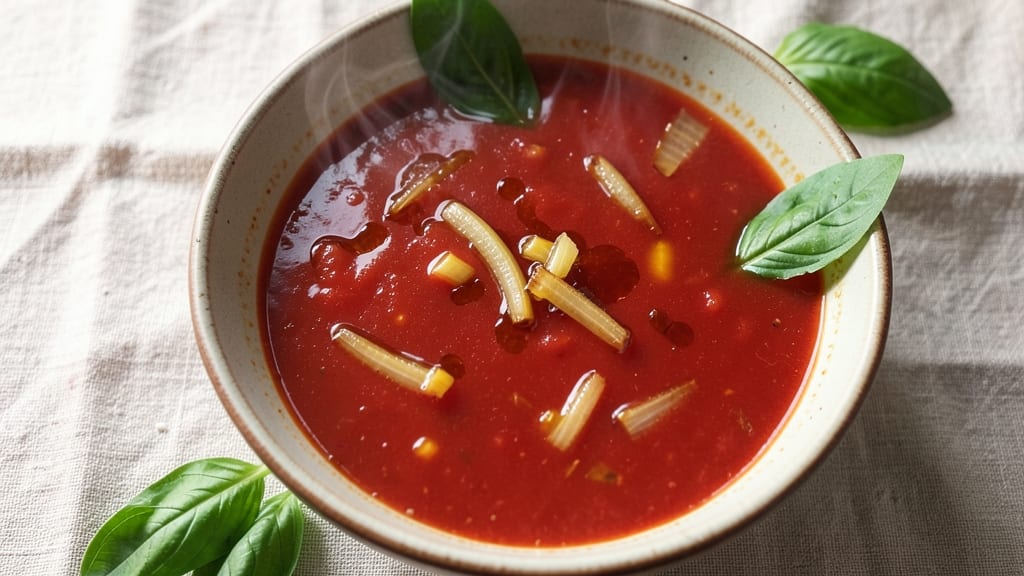
This traditional tomato soup recipe captures the rustic Italian soul of my nonna's kitchen—where canned tomatoes, aromatic herbs, and slow simmering transform simple ingredients into velvety comfort. The secret lies in simmering the soup long enough for flavors to meld without losing that bright, tangy tomato essence.
I've perfected this version over years of testing, ensuring every spoonful delivers that perfect balance of richness and acidity.
What sets this recipe apart is its authentic technique: no blender needed, just a heavy pot and patience. The soup builds depth through a simple base of garlic, onion, and olive oil, then layers in crushed tomatoes and broth for a rustic texture.
A touch of cream at the end adds velvety body without overpowering the tomato's natural sweetness—just like my nonna always made it. The result is a soup that's hearty enough for winter but light enough for spring.
By the time you taste the first spoonful, you'll understand why this remains a kitchen staple across generations. The aroma alone—warm tomatoes, garlic, and basil—fills the house with nostalgia, while the texture is perfectly smooth with just enough chunkiness to remind you it's homemade.
Serve it with crusty bread or grilled cheese for the ultimate comfort meal. This is tomato soup as it should be made: simple, traditional, and deeply satisfying.
Ready to recreate this classic? The process is straightforward, and the ingredients are likely already in your pantry. We'll walk through each step to ensure you achieve that restaurant-quality depth and flavor at home. Let's get started with this timeless recipe that brings a taste of Italy to your table.
Ingredients for traditional tomato soup
Pantry staples meet rustic Italian tradition—just 13 ingredients for velvety, nostalgic tomato soup.
| Ingredient | Amount | Notes |
|---|---|---|
| Extra-Virgin Olive Oil 🫒 | ½ cup | High quality, fruity variety |
| Yellow Onion 🧅 | 1 whole | Medium size, finely diced |
| Garlic Cloves 🧄 | 4 cloves | Peeled, minced finely |
| Canned San Marzano Tomatoes 🍅 | 28 oz | Crushed by hand or canned |
| Vegetable Broth 💧 | 4 cups | Homemade or quality store-bought |
| Fresh Basil Leaves 🌿 | ¼ cup | Packed, finely chopped |
| Heavy Cream 🥛 | ½ cup | Full-fat for richness |
| Salt 🧂 | 1 tsp | Kosher or sea salt |
| Black Pepper 🌶️ | ½ tsp | Freshly ground preferred |
| Sugar 🍚 | 1 tsp | Balances acidity |
| Red Wine Vinegar 🍷 | 1 tbsp | For brightness (optional) |
| Fresh Parmesan Cheese 🧀 | ½ cup | Freshly grated, for serving |
| Crusty Bread 🍞 | 4 slices | For serving (optional) |
The tomatoes are non-negotiable—San Marzano is the gold standard, but any whole peeled canned tomatoes work. I always crush them by hand with my fingers (no blender!) for that rustic texture. Trader Joe's or Whole Foods carry great options, but the store brand is fine if it's not watery. The olive oil? Use something fruity and peppery—none of that bland supermarket stuff. Fresh basil is ideal, but if you're short, dried oregano at half the amount works in a pinch. For the broth, homemade is best, but Pacific Foods or Imagine brands are solid store-bought choices.
No San Marzano tomatoes? Crushed tomatoes in a can are fine, but drain them well to avoid wateriness. Short on fresh basil? Dried basil or a pinch of oregano keeps the Italian vibe. The red wine vinegar adds brightness—skip it if you prefer sweeter, but trust me, it makes the difference. For the cream, half-and-half works in a pinch, but full-fat heavy cream gives that authentic richness. The sugar balances the acidity, so don't skip it unless your tomatoes are naturally sweet. And if you're feeling fancy, a splash of white wine (about 2 tbsp) adds depth—just reduce the broth slightly to compensate.
This soup tastes even better the next day—reheats beautifully in the microwave or on the stovetop. Store leftovers in an airtight container for up to 5 days in the fridge. For freezing, portion into containers and keep for up to 3 months. I always make a double batch—half for dinner, half for lunches. The Parmesan and bread? Add those fresh when serving, so everything stays bright and delicious. The crusty bread is optional, but honestly, it's the perfect finishing touch.
Why You'll Love This Recipe
- Same soup, endless uses: slurp it straight with crusty bread, drizzle it over grilled cheese, or freeze it for lazy Mondays. Honestly, I’ve served it at book clubs and it still gets raves.
- No-Fuss Pantry Staples: I swear by this recipe because it uses what I always have: a can of San Marzano tomatoes, a jar of broth, and basic spices. No last-minute grocery runs—just open, chop, simmer.
- Garlic Kiss Magic: That moment when the garlic hits the olive oil? Pure flavor payoff. The slow caramelization in the EVOO makes every spoonful taste richer than takeout—no fancy techniques needed.
- Weeknight to Potluck Hero: Same soup, endless uses: slurp it straight with crusty bread, drizzle it over grilled cheese, or freeze it for lazy Mondays. Honestly, I’ve served it at book clubs and it still gets raves.
Step-by-step instructions for traditional tomato soup
Here's how to make this rustic Italian classic with deep flavor and velvety texture.
Sauté the Onion and Garlic Until Golden
Heat the 0.5 cup extra-virgin olive oil in a large pot over medium heat. Add the 1 whole yellow onion, diced into small pieces, and cook for 8-10 minutes until soft and translucent. You'll know it's ready when the onion releases its sweet aroma and begins to turn golden around the edges.
Reduce heat to medium-low and add the 4 cloves garlic cloves, minced finely. Cook for 1-2 minutes until fragrant—just until you can smell that warm garlic scent filling your kitchen. Be careful not to let it brown, as garlic burns quickly and can turn bitter. This aromatic base forms the flavor foundation for your soup.
Simmer the Tomatoes and Broth
Pour in the 28 oz canned San Marzano tomatoes and stir to combine with the onion and garlic. Add the 4 cups vegetable broth, 1 tsp salt, 0.5 tsp black pepper, and 1 tsp sugar. Bring the mixture to a gentle boil, then reduce heat to low and let it simmer uncovered for 30 minutes.
During this time, the tomatoes will break down and release their natural sweetness. Stir occasionally to prevent sticking, and skim off any foam that rises to the surface. You're looking for a thick, rich consistency—this is where the soup develops its signature body. The acidity from the tomatoes will mellow as they cook, creating a balanced flavor.
Finish with Cream and Basil
After 30 minutes, stir in the 0.5 cup heavy cream and 0.25 cup fresh basil leaves, chopped finely. Simmer for another 5 minutes on low heat, just until the cream is warmed through and incorporated. Taste and adjust seasoning with additional salt or pepper if needed.
For that classic touch, add the 1 tbsp red wine vinegar now. It brightens the soup and cuts through the richness of the cream, adding a subtle tang that balances the flavors perfectly. Remove from heat and let it sit for 5 minutes—this resting period allows all the flavors to meld together beautifully.
Serve with Fresh Parmesan and Crusty Bread
Ladle the soup into bowls and top each serving with 0.5 cup fresh parmesan cheese, freshly grated. The cheese adds a salty, umami depth that complements the tomato's natural sweetness. Serve immediately with 4 slices crusty bread on the side for dipping.
This traditional approach delivers all the comforting qualities of grandma-style tomato soup: rich, velvety, and deeply flavorful. The key is patience—letting the tomatoes simmer and develop their natural sweetness before finishing with cream and basil. Enjoy it warm on a chilly day, just as it was meant to be served.
Pro Tips For Making Traditional Tomato Soup
- Sweat the Onion Low: I used to rush this step and end up with bitter, charred onion bits in my soup—no one wants that. Cook the diced onion over medium-low heat in the olive oil for about 8-10 minutes until it’s soft and translucent, not golden. The longer you let it cook, the deeper the flavor, and the less likely you’ll taste raw onion later.
- Crush the Tomatoes: Skip the blender if you want that rustic, textured soup your grandma made. After adding the San Marzano tomatoes to the pot, use a wooden spoon to crush about half of them against the sides—just enough to break them down but leave some chunks. This keeps the soup thick and hearty without turning it into a smooth puree.
- Salt the Broth Early: Taste the vegetable broth before you pour it in—if it’s bland, add salt now. You can always adjust later, but you can’t unsalt soup. I learned this the hard way after adding a full can of tomatoes and realizing the broth needed more seasoning. A pinch of salt now saves you from over-seasoning the whole pot.
- Simmer, Don’t Boil: After everything’s combined, keep the heat at a gentle simmer—you shouldn’t see big bubbles or hear a rolling boil. Boiling breaks down the tomatoes too fast and makes the soup watery. A steady, quiet simmer for 20-25 minutes lets the flavors meld without turning your soup into tomato water.
Pro cooking tips for great traditional tomato soup
Slow Simmer Secrets
The real magic happens during the 30-minute simmer—don’t rush it! I always use a heavy Dutch oven (like Le Creuset) because it distributes heat evenly and prevents scorching. Keep the heat at a gentle simmer, not a rolling boil, to let the tomatoes break down naturally.
Stir occasionally to prevent sticking, and skim off any foam that rises—this keeps the soup clean and focused on flavor. 🔥
Tomato Texture Control
For that classic rustic texture, I never blend this soup—chunky tomatoes are key! If you prefer it smoother, reserve ½ cup broth before simmering, then blend a portion of the soup and stir it back in.
For extra richness, add 1 tbsp tomato paste when you add the tomatoes—it deepens the flavor without altering the texture. The goal is a balance between velvety and rustic.
Cream Timing Matters
Adding the ½ cup heavy cream too early can make the soup curdle. Wait until the final 5 minutes of cooking, then stir it in gently over low heat. For a lighter option, substitute with ½ cup coconut cream—it adds richness without dairy.
If you’re concerned about curdling, whisk the cream vigorously before adding it to the soup. 🥛
Acidity Balance
The red wine vinegar is non-negotiable for brightness—it cuts through the cream’s richness and enhances the tomato’s natural sweetness. Start with 1 tbsp, then adjust to taste. If your tomatoes are very tart, reduce to ½ tbsp.
For a sweeter profile, add ½ tsp honey instead of sugar during the simmer. Taste as you go—this is where the soup’s character comes alive.
Pot Selection Tips
Your pot choice makes a difference! A stainless steel pot (like All-Clad) conducts heat evenly, while a cast iron Dutch oven retains heat better for longer simmering. Avoid nonstick—it can’t handle the prolonged cooking time and may release harmful fumes.
If you’re short on time, a slow cooker on low for 4 hours works, but the stove-top method delivers deeper flavor.
Fresh Herb Finish
Fresh basil is the star here, but don’t overlook other herbs! Swap in thyme or oregano for a different twist. For extra aroma, add a bay leaf during the simmer and remove it before serving.
Garnish with a sprinkle of crushed black pepper and a drizzle of high-quality olive oil right before eating—this elevates the dish to restaurant-quality. ✨
Nutrition facts
Frequently asked questions
Why does this recipe use crushed tomatoes instead of fresh?
Crushed tomatoes build deeper flavor through their natural sweetness and acidity during the 30-minute simmer. Fresh tomatoes would release too much liquid and require much longer cooking. The canned variety also delivers consistent texture and flavor—just like nonna's version!
Can I make this soup without cream for a lighter version?
Replace the ½ cup heavy cream with ½ cup coconut cream or ¼ cup Greek yogurt for tangy richness. For a dairy-free option, add 1 tbsp tomato paste during simmering to intensify flavor. The soup will still be velvety but with less fat.
How do I fix soup that's too acidic or sour?
Balance tartness by adding ½ tsp sugar or 1 tbsp honey while simmering. For a savory fix, stir in 1 tbsp tomato paste or a pinch of baking soda (just a pinch!). Never add more vinegar—it'll make the problem worse. Taste as you go to perfect the flavor.
What's the best way to reheat leftovers without losing texture?
Reheat gently on low heat with 1-2 tbsp water or broth to prevent curdling. Never microwave uncovered—it creates skin. For creamier results, whisk in 1 tbsp fresh cream after reheating. Store in an airtight container for up to 5 days.
Can I use sun-dried tomatoes for extra depth?
Yes! Add 2-3 chopped sun-dried tomatoes during the final 5 minutes of simmering. They'll infuse intense flavor without overpowering. For best results, use oil-packed tomatoes and drain well first. Pair with balsamic vinegar instead of red wine vinegar for harmony.