
Soups & Stews
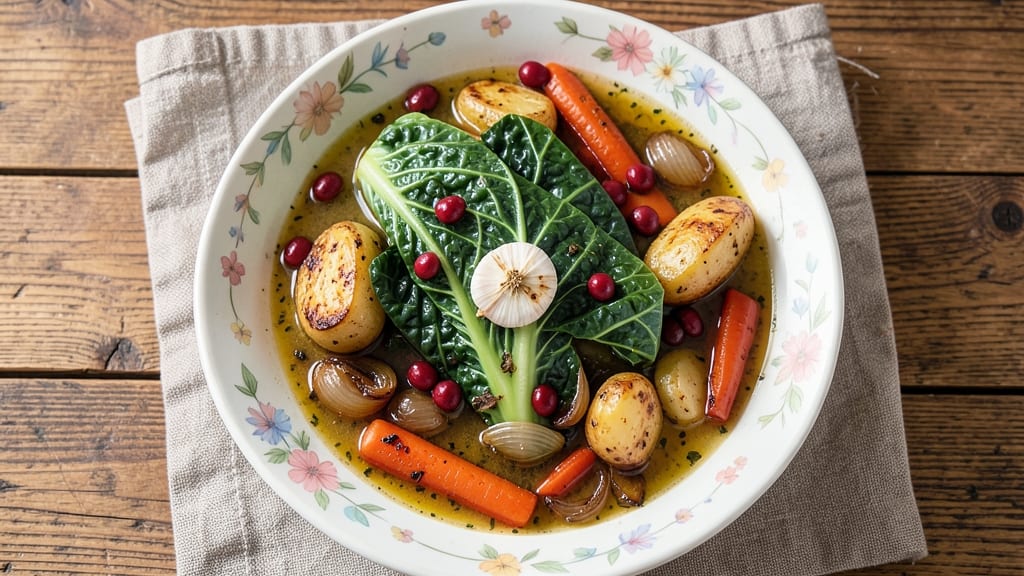
A vegetarian veggie soup with cabbage recipe is the perfect way to embrace winter nourishment when fresh produce is at its peak. 💛 I developed this one-pot wonder after years of testing soups that either turned watery or lost flavor by the second bowl—this version keeps everything rich, hearty, and balanced without requiring hours of simmering.
The secret lies in the layered flavors: caramelized onions and garlic form the base, while cabbage, carrots, and potatoes add natural sweetness and texture. A splash of apple cider vinegar brightens the broth, and coconut milk adds velvety richness without dairy.
I also include a mix of beans and tofu for protein, ensuring the soup feels satisfying even on its own.
By the time you ladle this into bowls, you'll have a steaming pot of soup with tender vegetables, a fragrant broth, and just the right amount of creaminess. The cabbage becomes perfectly soft yet holds its shape, while the spices—cumin, thyme, and bay leaf—infuse every spoonful with warmth.
Garnish with fresh parsley or a drizzle of olive oil for that final touch of freshness.
This recipe works equally well as a weeknight dinner or a make-ahead meal for busy days. Double the batch and freeze portions for those nights when you need comfort without the effort. Let's get cooking—your winter menu just got an upgrade.
Ingredients for veggie soup with cabbage
Fresh cabbage and winter veggies transform into this comforting, protein-packed vegetarian soup.
| Ingredient | Amount | Notes |
|---|---|---|
| Green Cabbage 🥬 | 2 lb | Outer leaves removed, chopped |
| Yellow Onions 🧅 | 2 whole | Medium size, thinly sliced |
| Carrots 🥕 | 6 medium | Peeled, cut into chunks |
| Russet Potatoes 🥔 | 2 lb | Peeled, cubed evenly |
| Garlic Cloves 🧄 | 6 cloves | Peeled, minced finely |
| Canned Chickpeas 🌱 | 1 can | Drained, rinsed, no salt added |
| Firm Tofu 🍱 | 1 block | Extra-firm, pressed, cubed |
| Vegetable Broth 💧 | 6 cups | Low-sodium preferred |
| Coconut Milk 🥥 | 1 can | Full-fat, 13.5 oz can |
| Apple Cider Vinegar 🍎 | 1 tbsp | Raw, unfiltered preferred |
| Extra-Virgin Olive Oil 🫒 | ¼ cup | For caramelizing onions |
| Ground Cumin 🌿 | 1 tsp | Toasted for warmth |
| Dried Thyme 🌿 | 1 tsp | Or 1 tbsp fresh thyme |
| Bay Leaves 🌿 | 2 whole | Remove before serving |
| Salt 🧂 | 1 ½ tsp | Adjust to taste |
| Fresh Parsley 🌿 | ¼ cup | Chopped, for garnish |
The cabbage is the star here—green cabbage holds its shape beautifully while cooking, but red or purple cabbage adds a pretty color twist. Grab the heaviest head you can find at Trader Joe's or Whole Foods—they tend to have the freshest. For the tofu, extra-firm is non-negotiable—it holds up better to simmering. Press it for 15 minutes before cubing to remove excess water. The potatoes? Russet or Yukon Gold work best—they get tender without turning mushy. If you're short on time, pre-cut frozen veggies save chopping work, but fresh tastes better.
No coconut milk? Greek yogurt or cashew cream adds creaminess without dairy. Short on chickpeas? White beans or lentils work just as well—just adjust cooking time. The apple cider vinegar might seem odd, but it's what makes this soup sing. Balsamic vinegar in a pinch, but it's not the same. For the broth, low-sodium is key—you don't want to over-salt the whole pot. The spices? Toast the cumin seeds whole in a dry pan for 30 seconds before grinding if you've got time—it adds depth. No fresh thyme? Dried works at half the amount, but fresh is worth hunting down at the market.
This soup tastes even better the next day—make a double batch and freeze half. Portion into containers with a layer of coconut milk on top to keep everything fresh. Keeps 5 days in the fridge or 3 months frozen. Reheat gently on the stove with a splash of water or broth to restore creaminess. Garnish with fresh parsley right before serving—it adds that final pop of color and freshness. Leftovers? Perfect for lunchboxes or a quick reheated dinner.
Why You'll Love This Recipe
- Pantry Staple Power: I swear by this soup because it uses ingredients I always have on hand—no last-minute grocery runs. Those russet potatoes? They soften into the perfect hearty base, while the onions caramelize just enough to add depth without extra effort. Honestly, it’s the kind of meal that makes me feel like I’m feeding my family something special, even when I’m too tired to cook.
- Garlic-Cabbage Magic: Between us, the combo of crisp green cabbage and roasted garlic is ridiculously good—sweet, savory, with that little bite that makes you want seconds. I’ll chop the cabbage while the potatoes simmer, and by the time it’s done, the edges are just tender enough to melt in your mouth. That’s the kind of flavor that sticks around all day.
- Meal Prep MVP: This soup tastes even better the next day, which means I can make a big batch on Sunday and have lunches covered for the week. The potatoes stay creamy, the carrots keep their sweetness, and the cabbage holds its texture—no sad, watery leftovers here. It’s my go-to for busy mornings when I need something warm and filling without the fuss.
- Budget-Friendly Comfort: For under $10, I feed my family four hearty bowls of soup that actually satisfy. The cabbage stretches far, the potatoes bulk it up, and the onions/garlic add layers of flavor without breaking the bank. It’s the kind of recipe that makes me feel like I’m getting a restaurant-quality meal for a fraction of the cost—every single time.
Step-by-step instructions for hearty veggie soup with cabbage
Here's how to build a rich, comforting soup that balances earthy cabbage with creamy coconut milk.
🍳 Step 1: Sauté the Aromatic Base
Heat the 0.25 cup extra-virgin olive oil in a large pot over medium heat until shimmering. Add the 2 whole yellow onions and cook for 8-10 minutes until they turn translucent and just begin to caramelize at the edges.
Here's the thing—don't rush this step. The onions should develop a deep golden color and release their natural sweetness. If they stick, stir in 2 tablespoons of the vegetable broth to loosen them. Once they're soft and fragrant, add the 6 cloves minced garlic and cook for 30 seconds until you can smell that rich aroma.
🍳 Step 2: Build the Vegetable Foundation
Add the 6 medium carrots and 2 lb russet potatoes to the pot, stirring to coat them in the onion-garlic mixture. Pour in the remaining 5 cups vegetable broth (reserving the last cup for later) and bring to a gentle boil. Reduce heat to medium-low and simmer for 15 minutes until the potatoes begin to soften.
While this simmers, press the 1 block firm tofu between clean towels for 10 minutes to remove excess water, then cut into ½-inch cubes. Add the 1 tsp ground cumin, 1 tsp dried thyme, and 1.5 tsp salt to the pot, stirring to combine. You'll know it's working when the spices dissolve into the broth and fill your kitchen with warmth.
🥘 Step 3: Add Cabbage and Chickpeas
Stir in the 2 lb chopped green cabbage and 1 can drained chickpeas, giving everything a gentle toss. Add the 2 whole bay leaves and increase heat to medium-high until the mixture returns to a boil. Then reduce heat to medium-low and simmer uncovered for 20-25 minutes until the cabbage wilts and the potatoes are fork-tender.
Real talk: The cabbage should be tender but still hold its shape—if it breaks down too much, it'll make the soup mushy. Taste and adjust seasoning with more salt if needed. This is where the soup's hearty character comes together, with the cabbage's slight bitterness balancing the sweet potatoes and chickpeas.
🥘 Step 4: Finish with Creamy Depth
Remove the pot from heat and stir in the 1 can coconut milk and 1 tbsp apple cider vinegar. The vinegar brightens the flavors while the coconut milk adds luxurious creaminess. Return to low heat and stir in the reserved 1 cup vegetable broth to loosen the soup to your desired consistency—it should coat the back of a spoon but still be easy to ladle.
Let the soup sit off heat for 5 minutes to allow the flavors to meld. This resting period lets the cabbage reabsorb some liquid and the coconut milk fully incorporate. The result should be a velvety texture with pockets of broth for dipping crusty bread.
🍽️ Step 5: Serve Warm and Garnish
Remove and discard the 2 bay leaves. Ladle the soup into bowls and top each serving with 1 tablespoon chopped fresh parsley. The parsley adds a fresh contrast to the rich, earthy flavors and makes the soup look vibrant. Serve immediately with crusty bread or over rice to soak up every last bit of that comforting broth.
Each spoonful should deliver a perfect balance: tender cabbage, creamy coconut notes, and the satisfying heartiness of potatoes and chickpeas. Leftovers keep well in the fridge for 3-4 days, and the flavors actually deepen overnight—just reheat gently on the stove.
Pro Tips For Making Veggie Soup With Cabbage
- CHAR THE ONIONS FIRST: I learned this the hard way—when onions linger in the pot too long, they turn bitter and muddy the whole soup. Sear them in 2 tablespoons of oil over medium-high heat until they’re translucent and just starting to caramelize (about 5-6 minutes). This builds flavor that won’t dissolve into nothingness later.
- CUT CABBAGE SMALLER THAN YOU THINK: Big wedges of cabbage stay tough and undercooked no matter how long you simmer. Shred it into ½-inch pieces—yes, even the core—and it’ll soften evenly. (Bonus: It also looks prettier in the bowl.) My grandmother swore by this, and she was right: the texture changes completely.
- ADD POTATOES LAST: Potatoes absorb liquid like a sponge, and if you toss them in too early, they’ll turn to mush while the cabbage stays crunchy. Wait until the carrots and onions have softened (about 15 minutes in), then add the potatoes and simmer for 10-12 minutes. This keeps them creamy but not falling apart.
- SALT THE WATER LIKE THE OCEAN: Veggie soup needs bold flavor, but most recipes under-salt the broth. Use 1½ teaspoons of salt per liter of water—more if you’re using low-sodium veggies. (I know, it sounds like a lot, but trust the process.) Taste the broth before adding the potatoes; if it’s bland now, it’ll stay bland forever.
Common mistakes when making this recipe
Overcooking Cabbage
Cabbage is the star of this soup, but it’s also the easiest to ruin. I’ve seen it turn into a mushy, watery mess that disappears into the broth. The key is timing—simmer it for 20-25 minutes until tender but still holding its shape.
If you let it cook longer, it’ll break down completely, turning your soup into a thin, flavorless liquid. 🥬
To avoid this, add the cabbage after the potatoes and carrots have softened. This way, it absorbs flavors without overcooking. If you’re worried about it being undercooked, taste-test a small piece—it should be soft enough to pierce with a fork but still have a slight bite.
Skipping the Vinegar
The 1 tbsp apple cider vinegar might seem like an afterthought, but it’s what makes this soup shine. I’ve made this recipe without it, and the result was flat—missing that bright, tangy lift that cuts through the richness of the coconut milk.
It balances the sweetness of the carrots and potatoes while adding depth.
If you’re new to using vinegar in soups, start with the full amount. You can always add more later, but you can’t take it out. For a milder taste, try lemon juice instead, but it won’t have the same complexity.
Trust me, this is one step you don’t want to skip.
Ignoring the Resting Time
After adding the coconut milk, I used to rush to serve the soup immediately. Big mistake. Letting it rest for 5 minutes off the heat allows the cabbage to reabsorb some liquid, and the coconut milk to fully incorporate, creating a velvety texture.
Skipping this step results in a soup that’s either too thin or too thick in spots.
This is especially important if you’re serving the soup to a crowd. A quick rest ensures every bowl tastes consistent and luxurious. Pro tip: Use this time to chop your garnish or set out bowls—it’s a great chance to catch up on conversation or take a deep breath before serving.
Using Low-Quality Broth
Vegetable broth is the backbone of this soup, so don’t skimp on quality. I’ve used store-bought low-sodium broths, and while they work in a pinch, homemade or high-quality brands like Pacific Foods or Imagine make a world of difference.
These broths have deeper, more complex flavors that elevate the entire dish.
If you’re using a broth with added salt, reduce the overall salt in the recipe by ½ tsp. Taste as you go—you can always add more salt, but you can’t take it out. The goal is a broth that’s rich and flavorful without overpowering the other ingredients.
Not Adjusting Seasoning Mid-Cook
Seasoning a soup is like painting a masterpiece—you add layers of flavor gradually. I’ve made the mistake of tasting the soup only at the end, only to realize it needed more salt, acid, or spice. By then, it’s too late to fix it properly.
Taste the soup after adding the cabbage and chickpeas, and again after adding the coconut milk. Adjust with salt, vinegar, or even a pinch of sugar if it needs balancing.
This is where the magic happens—fine-tuning the flavors to create a harmonious bowl of soup that’s greater than the sum of its parts.
Underestimating the Power of Fresh Ingredients
Fresh cabbage, onions, and herbs make all the difference in this recipe. I once used wilted cabbage from the back of the fridge, and the soup lacked the crisp, bright flavor I love.
The same goes for herbs—fresh parsley or thyme brightens the dish in a way dried spices can’t replicate.
If you’re using frozen veggies, thaw and drain them well before adding to the pot. For cabbage, look for heads with crisp, tightly packed leaves. Avoid any with yellow or wilted spots—they’ll make your soup taste bitter and sad.
Investing in fresh ingredients is worth the extra effort for a soup this flavorful.
Nutrition facts
Frequently asked questions
Can I use red or purple cabbage instead of green?
Red or purple cabbage adds beautiful color and a slightly sweeter flavor. Just chop it the same way—it cooks at the same rate as green cabbage. For extra vibrancy, try mixing half green and half red in the same pot. The purple hues will make your soup look stunning in bowls!
How do I make this soup spicier?
Add ½ tsp cayenne pepper or 1 tbsp hot sauce when stirring in the coconut milk. For smoky heat, swap ½ tsp smoked paprika for the regular cumin. If you love Thai flavors, stir in 1 tsp red curry paste with the spices—it pairs perfectly with coconut milk!
Can I make this soup without coconut milk?
Yes! Use ½ cup Greek yogurt or cashew cream for creaminess, or skip it entirely for a lighter broth. If you prefer dairy, try ¼ cup heavy cream—just add it at the very end to prevent curdling. The vinegar will still brighten the flavors, but the texture will be thinner.
What’s the best way to reheat leftovers?
Gently reheat on the stove over low heat, adding 1-2 tbsp water or broth to restore creaminess. Microwaving works too—cover with a damp paper towel and heat in 1-minute intervals, stirring between. Never reheat to a boil, or the cabbage may turn mushy!
Can I prep this soup ahead of time?
This is a make-ahead dream! Assemble everything up to Step 3, then refrigerate for up to 2 days before finishing. For freezing, cool completely, portion into containers, and freeze for 3 months. Thaw overnight in the fridge—never at room temperature—to preserve texture.