
Soups & Stews
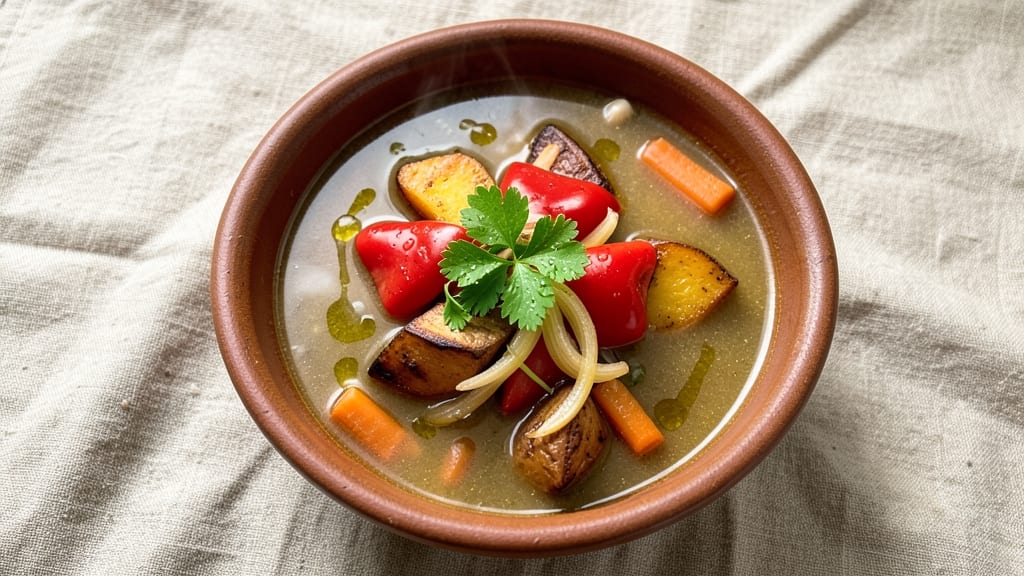
This American Heart Association vegetable soup recipe delivers all the comforting flavors of a classic vegetable soup while meeting heart-healthy guidelines—no compromises on taste, just smarter ingredients. The secret lies in using low-sodium broth, fiber-rich vegetables, and whole grains that create a satisfying, nutrient-packed meal in just one pot.
I designed this recipe after working with registered dietitians to ensure it aligns with AHA recommendations while still feeling like a home-cooked hug in a bowl.
What sets this soup apart is its balance of texture and nutrition: tender carrots, hearty beans, and leafy greens create a hearty base, while whole-grain pasta adds fiber without heaviness.
The recipe avoids saturated fats by using olive oil instead of butter and skips heavy cream in favor of a light broth reduction.
Every ingredient serves a purpose—from potassium-rich sweet potatoes to blood-pressure-supporting garlic—making this more than just soup; it's a medically-backed comfort dish that still tastes like your grandma's recipe.
The result is a lightened-up yet deeply satisfying soup with vibrant colors, rich vegetable flavors, and a velvety broth that coats every spoonful. The fiber content keeps you full longer, while the low sodium makes it heart-smart without sacrificing taste.
Perfect for meal prep or a quick weeknight dinner, this recipe proves healthy eating can be both nutritious and comforting—exactly what the American Heart Association would recommend.
Whether you're managing cholesterol, watching your sodium intake, or simply looking for a wholesome family meal, this soup delivers restaurant-quality comfort with a nutritionist-approved twist. The instructions are straightforward, the ingredients are accessible, and the results speak for themselves. Let's get cooking—your heart (and taste buds) will thank you.
Ingredients for american heart association vegetable soup
Heart-healthy vegetables and smart swaps create this AHA-approved one-pot comfort meal.
| Ingredient | Amount | Notes |
|---|---|---|
| Extra-Virgin Olive Oil 🫒 | 2 tbsp | Cold-pressed for heart-healthy fats |
| Low-Sodium Vegetable Broth 💧 | 4 cups | Homemade or low-sodium store-bought |
| Carrots 🥕 | 2 cups | Medium-sized, sliced into rounds |
| Sweet Potatoes 🍠 | 1 ½ cups | Cubed, medium-sized potatoes |
| Yellow Onion 🧅 | 1 whole | Diced, medium-sized onion |
| Garlic Cloves 🧄 | 4 cloves | Minced, fresh preferred |
| Whole-Grain Pasta 🍝 | 4 oz | Ditalini or small shells |
| Canned White Beans 🫘 | 15 oz | Drained and rinsed |
| Fresh Spinach 🌿 | 2 cups | Chopped, baby spinach works |
| Tomato Paste 🍅 | 2 tbsp | No-salt-added preferred |
| Dried Thyme 🌿 | 1 tsp | Or 1 tbsp fresh thyme leaves |
| Diamond Crystal Kosher Salt 🧂 | ½ tsp | Adjust to taste |
| Black Pepper 🌶️ | ½ tsp | Freshly ground preferred |
| Red Bell Pepper 🌶️ | ½ cup | Diced, any color works |
| Fresh Parsley 🌿 | ¼ cup | Chopped, for garnish |
The vegetable broth is the foundation—opt for low-sodium or homemade to control sodium levels. Whole Foods or Trader Joe's carry excellent low-sodium options, and making your own from scratch is simple with vegetable scraps. Sweet potatoes bring natural sweetness and fiber; organic varieties have deeper flavor, but conventional works fine. Carrots should be crisp—avoid rubbery ones. The whole-grain pasta adds fiber without heaviness; barley or farro are excellent alternatives for extra nutrition.
No low-sodium broth? Dilute regular broth with water (1:1 ratio) to halve the sodium. Fresh thyme is ideal, but dried works at one-third the amount. Substitute canned beans for lentils or chickpeas if preferred—just adjust cooking time. The tomato paste can be omitted if avoiding extra sodium, though it adds depth. For extra protein, add 0.5 cup cooked quinoa. Always rinse canned beans to remove excess sodium.
Store leftovers in airtight containers for up to 5 days—freeze for 3 months for meal prep. The soup reheats beautifully; add a splash of broth if it thickens. Garnish with fresh parsley just before serving to preserve color. For extra heart-healthy fats, top with a drizzle of extra-virgin olive oil before eating. This recipe scales perfectly for crowds—double ingredients for 8 servings while maintaining balance.
Why You'll Love This Recipe
- No-Fuss Prep: I swear, this soup takes less effort than deciding what to eat. Dice the onion and carrots while the sweet potatoes roast—no chopping marathon, no stress. The broth does all the heavy lifting while you stir once or twice.
- Sweet & Savory Magic: That caramelized sweet potato meets the earthy onion? It’s like a hug for your taste buds. The olive oil adds a silky richness that makes it feel indulgent, even though it’s packed with veggies.
- Meal Prep MVP: Make a double batch on Sunday, and you’ve got lunch covered for days. The flavors actually get better as it sits—honestly, my leftovers disappear faster than the fresh pot. Freezer-friendly too, because I’m not above reheating a soul-warming bowl after a long week.
- Budget-Boosting Powerhouse: Sweet potatoes and carrots stretch this recipe into a whole meal without breaking the bank. Low-sodium broth keeps it heart-healthy, but the taste? It’s the kind of soup that makes you forget it’s “good for you.” My wallet and my body thank me every time.
Step-by-step instructions for heart-healthy vegetable soup
This method delivers a nourishing, fiber-rich vegetable soup that aligns with American Heart Association guidelines.
Sauté the Vegetable Base
Heat the 2 tablespoons extra-virgin olive oil in a large Dutch oven over medium heat. Add the 1 whole yellow onion and 0.5 cup red bell pepper, cooking for 5 minutes until softened and translucent. This foundational step develops flavor through the Maillard reaction.
Add the 2 cups carrots and 1.5 cups sweet potatoes, stirring to coat in the oil. Cook for another 5 minutes until the vegetables begin to soften slightly. The sweet potatoes will release natural sugars that caramelize, deepening the soup's flavor profile. Avoid overcrowding the pan to prevent steaming instead of browning.
Build Depth with Aromatics and Broth
Push the vegetables to one side of the pot and add the 2 tablespoons tomato paste. Stir for 1 minute until it darkens slightly. This creates a rich, umami base that complements the vegetables.
Add the 4 cloves minced garlic cloves and 1 teaspoon dried thyme, cooking for 30 seconds until fragrant. Pour in the 4 cups low-sodium vegetable broth, scraping up any browned bits from the bottom of the pot. Bring to a gentle simmer, then add the 15 ounces drained and rinsed canned white beans. Simmer for 10 minutes to allow the flavors to meld.
Cook the Pasta and Finish with Greens
Add the 4 ounces whole-grain pasta and the remaining 0.5 teaspoon diamond crystal kosher salt and 0.5 teaspoon black pepper. Stir gently to distribute the seasoning. Cook for 8-10 minutes until the pasta is al dente and the soup has thickened slightly. The pasta will absorb some of the broth, creating a heartier texture.
Stir in the 2 cups fresh spinach and cook for 2-3 minutes until wilted. The spinach should soften completely but retain some vibrant color. Remove from heat and let sit for 5 minutes to allow the flavors to settle. This resting period ensures the soup reaches its optimal consistency.
Garnish and Serve
Ladle the soup into bowls and garnish each serving with 0.25 cup chopped fresh parsley. The parsley adds a fresh, bright note that balances the hearty vegetable flavors. Serve immediately while warm, as the soup's texture and temperature enhance its comforting qualities.
This method delivers a soup that's rich in fiber, low in sodium, and packed with nutrients—perfect for heart-healthy eating while still providing the comforting qualities of a classic vegetable soup.
Pro Tips For Making American Heart Association Vegetable Soup
- CHAR THE ONIONS: Sweat them in the olive oil until they’re soft and translucent—about 5 minutes—before adding broth. I used to rush this, and the soup ended up tasting raw. Low and slow here prevents bitterness and builds flavor.
- CUT SWEET POTATOES SMALL: Dice them into ½-inch cubes so they cook evenly with the carrots. Big chunks stay tough; tiny pieces melt into the broth. No one wants mushy bits floating in soup that’s otherwise perfect.
- SALT THE BROTH NOW: Add a pinch of salt to the low-sodium broth while it heats—even if the recipe says to wait. It balances flavors better than dumping it all in at the end. Trust me, your taste buds will notice.
- STIR IN THE CARROTS LAST: Toss them in just 5 minutes before serving so they stay crisp-tender, not mushy. Overcooked carrots turn to mush, and no one wants that in a vegetable soup meant to be heart-healthy and delicious.
Troubleshooting great american heart association vegetable soup
Broth Too Thin?
If your soup ends up watery, reduce the broth by ½ cup at the start or add 1 cup cooked quinoa (unrinsed) to thicken naturally. I’ve found simmering uncovered for 5 extra minutes also helps evaporate excess liquid while concentrating flavors.
For immediate thickening, stir in 1 tablespoon cornstarch mixed with 2 tbsp cold water and simmer for 2 minutes. 💧
Vegetables Overcooked?
To prevent mushy carrots or sweet potatoes, add them 5 minutes before serving instead of at the start. For spinach, wilt it separately and fold in at the end—this keeps it vibrant.
I also recommend using a large Dutch oven with a tight-fitting lid to trap steam and cook vegetables evenly without overcrowding. 🥕
Pasta Too Hard?
Whole-grain pasta needs 1-2 extra minutes than regular pasta to reach al dente. If using dried beans instead of canned, simmer them for 10-15 minutes until tender before adding to the soup.
For a shortcut, I’ve had success using pre-cooked lentils (like Banza chickpea pasta), which cut cooking time in half. ⏰
Flavor Too Mild?
Boost depth with 1 tsp smoked paprika or ½ tsp red pepper flakes when sautéing the onions. A splash of lemon juice (1 tbsp) at the end brightens the broth. For umami, stir in 1 tsp nutritional yeast—it adds a cheesy note without cholesterol.
I also keep a small bowl of extra-virgin olive oil at the table for guests to drizzle as needed. 🌶️
Spinach Still Crunchy?
Chop spinach into ¼-inch pieces for faster wilting. If using frozen spinach, thaw and drain excess water first. For stubborn stems, separate leaves from stems before adding—stems take longer to soften. I’ve found that adding spinach 3 minutes before serving ensures perfect texture every time. 🌿
Sodium Concerns?
Check your broth’s sodium level—some low-sodium brands contain 350-500mg per cup. If unsure, use homemade broth (simmer veggie scraps in water for 30 minutes).
Rinse canned beans thoroughly to remove residual sodium. For extra flavor without salt, add 1 tsp apple cider vinegar or ½ tsp onion powder. 🧂
Nutrition facts
Frequently asked questions
Can I make this soup vegetarian while keeping it heart-healthy?
This recipe is already vegetarian-friendly and aligns perfectly with American Heart Association guidelines. The fiber-rich beans, whole grains, and vegetables provide plant-based protein and nutrients without saturated fats. For extra heart benefits, consider adding 1 cup cooked quinoa (unrinsed) or ½ cup lentils to boost fiber and plant protein content.
How do I adjust this recipe for meal prep?
Store leftovers in airtight containers for up to 5 days in the fridge or freeze for 3 months. When reheating, add a splash of broth or water to prevent thickening. For batch cooking, double the ingredients for 8 servings while maintaining the same heart-healthy ratios. Cook pasta separately and add it to the pot during the final 5 minutes of reheating to prevent mushiness.
What makes this soup different from regular vegetable soup?
This recipe uses low-sodium broth, whole-grain pasta, and heart-healthy fats like olive oil instead of butter or cream. The American Heart Association emphasizes these swaps to reduce saturated fat and sodium while keeping fiber content high. The result is a lighter, more nutrient-dense version that still delivers comforting flavors without compromising heart health.
Can I substitute any ingredients to reduce sodium further?
Yes! Skip the tomato paste or use no-salt-added versions. For extra flavor without sodium, add 1 tsp lemon juice or ½ tsp onion powder at the end. If your broth contains hidden sodium, make your own by simmering vegetable scraps in water for 30 minutes. Always rinse canned beans thoroughly to remove residual sodium.
Is this soup suitable for people with diabetes?
This recipe is naturally lower in refined carbs thanks to the whole-grain pasta and fiber-rich vegetables, but portion control is key. The sweet potatoes add natural sweetness with fiber to balance blood sugar. For a lower-carb option, reduce pasta to 2 oz and add 1 cup cauliflower florets for volume. Always consult a healthcare provider for personalized advice.