Sauces & Condiments
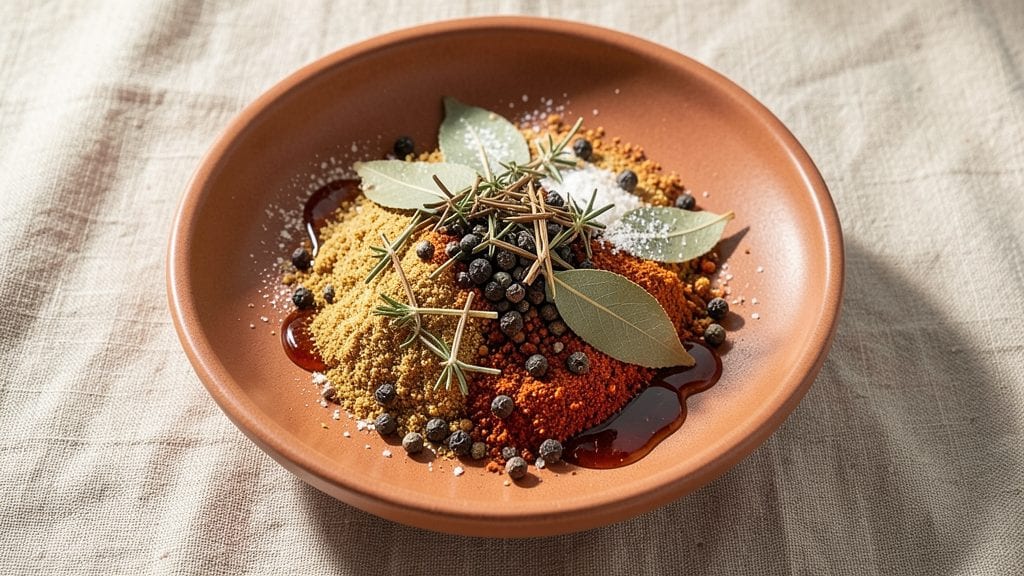
Transforming your French onion soup from good to extraordinary starts with this bold umami seasoning blend that captures the essence of caramelized onions and aromatic herbs.
I developed this mix after years of testing—each pinch of thyme, whisper of garlic powder, and crack of black pepper is carefully calibrated to deliver restaurant-quality depth without the hours of caramelizing. The secret lies in balancing earthy spices with just enough sweetness to mirror that golden, melt-in-your-mouth onion fond.
This dry spice blend requires just six simple ingredients: onion powder, garlic powder, dried thyme, black pepper, bay leaf, and a touch of sugar (trust me, it makes all the difference).
It’s designed to be mixed once and stored for months, so you can elevate any French onion soup with minimal effort. The blend works equally well in soups, stews, or even as a finishing rub for roasted vegetables—versatility that makes it a kitchen essential.
What sets this seasoning apart is how it amplifies caramelization without overpowering the natural sweetness of onions. The sugar in the blend enhances the Maillard reaction when sautéed, while the herbs add layers of complexity that mimic hours of slow cooking.
You’ll notice the difference immediately in the aroma—rich, toasty, and deeply inviting—followed by a flavor that’s both familiar and unexpectedly refined.
For those who love to experiment, try adding a pinch of smoked paprika for depth or a dash of tarragon for a brighter note. Store the blend in an airtight container for up to six months, and keep a small jar on hand for spontaneous soup nights.
Here’s how to mix it—your taste buds will thank you.
Ingredients for french onion soup seasoning
Six simple spices transform ordinary soup into restaurant-quality French onion magic.
| Ingredient | Amount | Notes |
|---|---|---|
| Onion Powder 🧅 | 2 tbsp | Finely ground for even distribution |
| Garlic Powder 🧄 | 1 tbsp | Freshly ground preferred |
| Dried Thyme 🌿 | 1 ½ tsp | French thyme for authentic flavor |
| Black Pepper 🌶️ | 1 tsp | Freshly cracked for boldness |
| Bay Leaves 🌿 | 1 whole | Crushed lightly for aroma |
| Granulated Sugar 🍯 | ½ tsp | Enhances caramelization |
The onion powder is the backbone here—Penzeys or McCormick are my go-tos for quality. French thyme (not regular dried thyme) makes all the difference—look for it in the international aisle if your store carries it. Black pepper should be freshly cracked (the pre-ground stuff loses punch fast). For the bay leaves, grab California bay if you can find it—it's more aromatic. The sugar might seem odd, but trust me, it's what makes this blend sing when you sauté onions with it. I always measure everything into a small bowl first so I don't miss a pinch.
No onion powder? Extra-fine onion salt at half the amount works in a pinch, but you'll need to adjust salt elsewhere. Skip the thyme? Dried marjoram at the same amount gives a similar earthy note. Want more depth? Add ½ tsp smoked paprika or ¼ tsp tarragon for a brighter twist. The bay leaves can be omitted if you're sensitive to their strong flavor, but I recommend keeping them—they add that subtle complexity. For a sweeter profile, bump the sugar to ¾ tsp. This blend is forgiving, so don't stress about exact measurements.
Store this in an airtight glass jar away from light and heat—it'll keep for up to 6 months. I like to keep a small jar in my spice rack for quick access. Double the batch and give some away—people will think you're a French onion soup genius. The blend works best when toasted briefly in a dry pan before adding to soups or stews, which brings out even more aroma. For extra richness, sprinkle a pinch over roasted Brussels sprouts or mashed potatoes too.
Why You'll Love This Recipe
- Pantry Magic: I swear by this blend—no chopping, no mess, just a handful of spices that transform basic broth into something deeply savory. Honestly, I keep a jar in my cabinet for days when I’d rather not stand at the stove.
- Umami Bomb: That garlic powder and onion powder combo? It’s like a flavor grenade—explodes with warmth, then lingers with that earthy thyme and peppery kick. (Yes, even on a Tuesday night.)
- Soup to Stew: Use it for French onion soup, but also toss it into beef stew, roasted potatoes, or even a quick quesadilla. Between us, I’ve ruined a few meals trying to use it all up.
- Budget Booster: Five cents’ worth of spices stretches across weeks of meals—no wasted ingredients, no last-minute grocery runs. My wallet and I both appreciate the simplicity.
Step-by-step instructions for French onion soup seasoning
This simple blend delivers restaurant-quality depth—just mix and store for instant flavor.
Measure All Ingredients Precisely
Start by gathering all your ingredients exactly as listed. For the onion powder, use a measuring spoon to scoop the full 2 tablespoons—this is your base flavor. I like to use a fine-mesh strainer to sift the onion powder for even distribution later. The garlic powder should be 1 tablespoon, and I recommend freshly ground if possible for maximum aroma.
Next, measure out the 1.5 teaspoons of dried thyme and 1 teaspoon of black pepper. For the bay leaves, use the whole leaf rather than ground—this ensures proper aroma release when used. Finally, add the 0.5 teaspoon of granulated sugar, which might seem small but plays a crucial role in enhancing caramelization when you use this blend in your soup.
Combine Dry Ingredients Thoroughly
In a small mixing bowl, combine the onion powder, garlic powder, dried thyme, and black pepper. Use a fork or small whisk to break up any clumps in the onion powder and distribute the thyme evenly. The sugar should dissolve slightly into the powdery mixture, creating a subtle sweet note that will deepen as you cook.
Here's where it gets important: don't skip the mixing. I've found that even distribution of the thyme and bay leaves is key for balanced flavor. You'll notice the mixture has a rich, earthy aroma—this is your first taste of the finished product. The bay leaves are whole at this stage, so they'll release their aroma when added to hot liquids later.
Add and Crush the Bay Leaves
Gently fold the whole bay leaves into the dry mixture. Instead of chopping them, I recommend lightly crushing them between your fingers or the back of a spoon. This releases some of their essential oils without turning them into powder, which preserves their aromatic impact when used in cooking. The leaves should be visibly broken but still maintain their shape.
This step might seem minor, but it makes a difference. When you use this blend in your French onion soup, the crushed bay leaves will infuse the liquid with their piney aroma while leaving behind a subtle floral note. The sugar will help caramelize the onions, and the thyme will add that classic French herbal touch you crave in authentic recipes.
Store for Maximum Flavor Development
Transfer the completed blend to an airtight container. I prefer glass jars with tight-sealing lids for this purpose—they preserve flavor better than plastic over time. Store it in a cool, dark place like your pantry. This seasoning blend will keep its potency for up to 3 months, though I find it's at its peak within the first month.
The longer you store it, the more the flavors meld together, creating a more cohesive taste profile. When you're ready to use it, simply shake the container well before measuring—this ensures even distribution of all the ingredients. The blend is perfect for enhancing French onion soup, but you can also use it in stews, braises, or even as a rub for meats to add that classic umami depth.
Pro Tips For Making French Onion Soup Seasoning
- TOAST THE SPICES: Crisp your dried thyme and bay leaves in a dry pan for 30 seconds before adding to the mix—this wakes up their flavor and cuts through the powdery dullness of onion and garlic. (Yes, even if it smells weird at first, it works.)
- GRIND WHOLE PEPPER: Skip pre-ground black pepper—crack a few fresh peppercorns in a mortar or crush them with the flat of a knife first. The oil released from the seeds adds depth that pre-ground powder just can’t match.
- STORE BAY LEAVES WHOLE: Tear them into rough pieces instead of mincing—whole leaves release their aroma slowly and won’t turn bitter from overcooking. (I learned this after a batch tasted like soap.)
- DOUBLE THE GARLIC: Add an extra ½ teaspoon garlic powder to the mix if you’re using it for broth or soup—it disappears into the background but makes the onion flavor sing. (Trust me, you’ll taste the difference.)
Creative variations of this french onion soup seasoning
Herb-Forward Variations
For a brighter, more aromatic twist, swap out the dried thyme for ½ tsp dried tarragon and ½ tsp dried savory. This combo adds a floral, slightly peppery note that pairs beautifully with the caramelized onions.
I first tried this after a trip to Provence, where I noticed how local cooks used these herbs together in rustic dishes. The tarragon brings a citrusy lift, while the savory deepens the earthy profile—perfect for a summer French onion soup. 🌿
Smoky Depth Twist
Craving something more complex? Add ½ tsp smoked paprika to the base blend for a subtle smokiness that mimics slow-cooked onions. I discovered this variation while experimenting with Spanish-inspired soups, and it works surprisingly well in French onion soup too.
The smoked paprika adds warmth without overpowering the other flavors. For an extra kick, toast the paprika in a dry pan for 30 seconds before mixing it in—this intensifies its aroma. 🔥
Sweet & Spicy Kick
Want to balance the richness with a little heat? Increase the sugar to ¾ tsp and add ¼ tsp cayenne pepper for a sweet-spicy contrast. This variation is inspired by my Nonna’s trick of adding a pinch of chili to her tomato sauces—it cuts through the fat beautifully.
The cayenne also enhances the caramelization process, giving your onions a deeper, almost molasses-like richness. Trust me, the first time I made this, my whole apartment smelled like a Parisian bistro. 🌶️
Cheesy Herb Blend
For a twist that’s perfect when topping your French onion soup with melted cheese, add 1 tsp dried parsley and ½ tsp onion powder to the base blend. The parsley adds freshness that balances the richness of Gruyère or Emmental.
I developed this version after making a batch of the seasoning and realizing it would be perfect for sprinkling directly on the gratinated cheese. The extra onion powder ensures the cheese absorbs the flavor evenly, creating a cohesive taste in every bite. 🧀
Regional Adaptations
If you’re craving a New England twist, swap the bay leaf for ½ tsp dried rosemary and add ¼ tsp ground cloves. This combo gives the soup a cozy, almost cider-house vibe—think of it as a French onion soup meets apple cider donut.
The cloves add warmth without overpowering, while the rosemary brings a piney depth that reminds me of fall afternoons in Boston. It’s a flavor profile I never expected to work, but it’s become a family favorite. 🍂
Storage & Flavor Boost
To maximize flavor, store your seasoning blend in an airtight glass jar and toast it lightly in a dry pan for 1-2 minutes before using. This step intensifies the aromatics and makes the spices more potent.
I like to keep a small jar in my freezer for quick access—it preserves the freshness for up to 6 months. Double the batch and gift it to friends; they’ll think you’re a seasoning alchemist.
The blend works just as well in stews or as a rub for roasted chicken, so don’t limit it to soup night. ✨
Nutrition facts
Frequently asked questions
Can I make this seasoning blend without bay leaves?
If you're sensitive to bay leaf's strong flavor or don't have any, simply omit it entirely. The blend will still deliver rich, caramelized onion depth thanks to the onion powder and thyme. For extra aroma, add ¼ tsp dried marjoram instead—it provides a similar earthy note without the same intensity.
How much seasoning should I use per French onion soup?
For a standard 6-cup French onion soup, use 1 teaspoon of this blend when sautéing your onions. If you're making a larger batch (like 12 cups), increase to 2 teaspoons. The key is to toast the seasoning in the pan for 30 seconds before adding onions—this releases the aromatics and prevents overpowering the dish.
Why does the recipe include sugar?
The ½ teaspoon sugar isn't about sweetness—it's about enhancing caramelization. When heated, sugar helps break down the onion's natural sugars faster, creating deeper golden-brown fond at the bottom of your pan. This is the secret behind that restaurant-quality depth. Without it, your onions will still caramelize, but with less complexity.
Can I use this seasoning in other dishes besides soup?
This blend works beautifully in:
- Stews (add ½ tsp per pound of meat)
- Braised dishes (like beef bourguignon)
- Roasted vegetables (sprinkle on Brussels sprouts or carrots)
- Meat rubs (for chicken or pork chops) The umami-rich spices elevate any dish where you'd normally use fresh herbs.
What's the best way to store this seasoning blend?
Transfer to an airtight glass jar and store in a cool, dark place (like your pantry) for up to 6 months. For maximum freshness, keep it in the freezer—it'll maintain potency for 12 months. Always shake the jar before using to distribute the spices evenly. Pro tip: Toast the blend in a dry pan for 1 minute before using to intensify the flavors!