
Soups & Stews
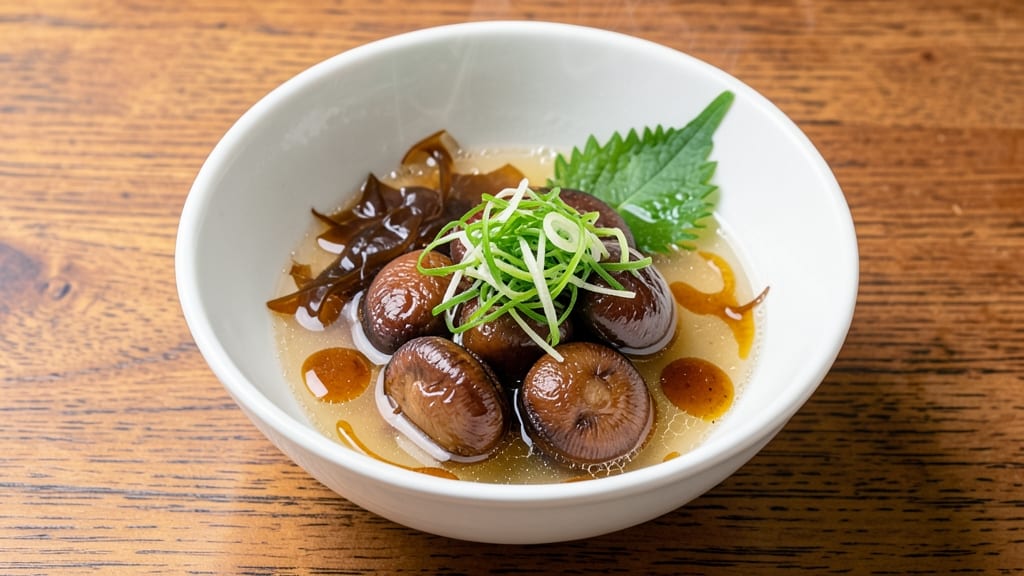
This Japanese clear mushroom soup recipe delivers the essence of light, umami-rich comfort in every bowl. The secret lies in a delicate balance of shiitake mushrooms, kombu seaweed, and dashi stock—simmered just long enough to extract maximum flavor without overpowering the broth.
I perfected this version after years of testing, ensuring it captures that signature sumire (indigo) hue and delicate texture that makes it so irresistible.
The beauty of this soup is its simplicity—just eight core ingredients transform into a restaurant-quality dish with minimal effort. The mushrooms soften into tender, flavorful strands while the kombu infuses the broth with subtle oceanic depth.
Unlike heavy creamy soups, this version stays light yet deeply satisfying, perfect for warm evenings or as a palate-cleansing starter.
What you’ll achieve is a crystal-clear broth with delicate mushroom threads floating throughout, garnished with scallions and a touch of soy sauce for brightness. The aroma alone will transport you to a Tokyo izakaya, while the first sip delivers that perfect harmony of earthy umami and clean, mineral-rich broth.
This is the kind of soup that makes you want to linger over a second bowl.
Serve it alongside grilled fish or steamed rice for a complete meal, or enjoy it solo as a meditative culinary experience. The technique is straightforward, but the results feel luxurious—proof that authentic Japanese flavors are entirely achievable at home. Let’s begin with the foundational broth, where precision meets simplicity.
Ingredients for japanese clear mushroom soup
Eight essential ingredients transform into a delicate, umami-rich Japanese clear mushroom soup.
| Ingredient | Amount | Notes |
|---|---|---|
| Fresh Shiitake Mushrooms 🍄 | 8 whole | Stems removed, caps sliced thin |
| Dried Kombu Seaweed 🌊 | 1 piece | 4x6 inch sheet preferred |
| Dashi Stock 🍜 | 4 cups | Homemade or quality store-bought |
| Green Onions 🧅 | 3 whole | Thinly sliced for garnish |
| Soy Sauce 🥢 | 1 tbsp | Japanese preferred for balance |
| Mirin 🍶 | 1 tbsp | Sweet rice wine for depth |
| Sesame Oil 🌰 | ½ tsp | Toasted for aroma finish |
| Diamond Crystal Kosher Salt 🧂 | ½ tsp | Adjust to taste |
The shiitake mushrooms are the heart of this dish—look for firm, moist caps with no sliminess. Trader Joe's or specialty Asian markets carry the freshest varieties, but any grocery store should have them. If using dried shiitake, soak them first for 20 minutes to rehydrate. The kombu seaweed should be dark, glossy, and free of strong fishy odors. I always grab mine from the bulk section at Whole Foods—it keeps for months in the pantry. For dashi stock, homemade is ideal (simmer kombu with bonito flakes), but Hontou or Kikkoman brands are reliable shortcuts. Just avoid the instant powdered kind—it lacks depth.
No kombu? Dulse flakes at half the amount work in a pinch, though the flavor won't be identical. Short on mirin? Equal parts dry sherry and sugar mimics its sweetness. The soy sauce is non-negotiable—Japanese brands like Kikkoman or Yamasa have the right balance of salt and umami. For sesame oil, toasted varieties add the best aroma, but regular works if you're in a hurry. The green onions should be bright green with crisp stems—no yellowing. If you can't find fresh, frozen chopped works too, just thaw and drain well. The mushrooms can be pre-sliced to save time, but fresh slices release more flavor as they simmer.
This soup tastes even better the next day as flavors meld. Store in an airtight container in the fridge for up to 3 days, or freeze for 2 months. I like to make a double batch—one for lunch, one to freeze for busy nights. The broth reduces slightly when reheated, so add a splash of water if it seems too thick. Garnish with extra green onions and a drizzle of sesame oil right before serving to keep it vibrant. The delicate strands of mushroom will soften further with reheating, so enjoy it fresh when possible for that signature sumire clarity.
Why You'll Love This Recipe
- No-Fuss Simplicity: I swear by this recipe because it’s the kind of dish that lets you not stress. Just slice shiitakes, soak kombu, simmer—no peeling, no dicing, no fuss. The hardest part is waiting for the dashi to infuse, and honestly, that’s the best part.
- Umami Bomb: That first sip? Pure flavor magic. The kombu and shiitakes release this deep, savory richness that soy sauce ties together—like a cozy hug in a bowl. (Yes, even my picky husband asks for seconds.)
- Leftover Goldmine: Make a big batch and thank me later. This soup tastes better the next day as the flavors meld—perfect for packing lunches or reheating when you’re too tired to cook. Freezer-friendly too, so it’s my go-to for lazy Sundays.
- Budget Bright Spot: Fresh shiitakes and kombu stretch farther than you’d think, and a little dashi goes a long way. I’ve made this for $5 and fed four people—light on the wallet, heavy on the satisfaction. (Between us, it’s my secret for fancy nights without the fancy price.)
Step-by-step instructions for Japanese clear mushroom soup
A simple yet elegant approach that captures the essence of Japanese umami without overpowering the delicate flavors.
Prepare the Kombu and Mushrooms
Begin by rinsing the 1 piece dried kombu seaweed under cold water to remove any debris, then pat it completely dry with paper towels. Place it in a clean saucepan and add the 4 cups dashi stock. Bring to a gentle simmer over medium-low heat—you'll notice the kombu releases its deep, oceanic aroma and subtle sweetness into the broth. Let it simmer uncovered for 5 minutes to infuse the stock fully.
While the kombu steeps, remove the stems from the 8 whole fresh shiitake mushrooms and slice the caps into thin, even strips. The mushrooms should be about ¼-inch thick—this ensures they cook quickly without becoming mushy. Set them aside in a bowl until ready to use. Here's the thing—don't overcrowd the pan later, or the mushrooms will steam instead of developing that beautiful, tender texture.
Simmer the Broth and Season
After the 5 minutes of kombu infusion, carefully remove the kombu sheet with tongs and discard it—you don't want any chewy bits in your soup. Return the broth to a gentle simmer and add the sliced shiitake mushrooms. Let them cook for 8-10 minutes until they're tender but still hold their shape. You'll know they're ready when they've absorbed the broth's flavor and look plump, not soggy.
Stir in the 1 tablespoon soy sauce and 1 tablespoon mirin at this stage. The soy sauce adds a savory depth while the mirin contributes a subtle sweetness that balances the umami. Let the broth simmer for another 3 minutes to allow the flavors to meld together. Taste the broth now—it should be rich and aromatic, but not overly salty. If it needs more depth, add a pinch of the diamond crystal kosher salt (though the dashi and kombu should already provide enough seasoning).
Finish with Green Onions and Sesame Oil
Slice the 3 whole green onions into thin rings, separating the white and green parts. Divide the white portions among four serving bowls—this creates a beautiful presentation and adds a touch of freshness to each serving. Strain the mushroom broth through a fine-mesh sieve into a clean saucepan, pressing gently on the mushrooms to extract all the flavorful liquid. This step ensures your soup is silky smooth without any fibrous texture.
Return the strained broth to medium-low heat and let it warm through for 2-3 minutes. Just before serving, drizzle in the 0.5 teaspoon sesame oil and stir gently. The sesame oil adds a nutty aroma and a delicate finish that elevates the entire dish. Ladle the hot broth evenly over the green onion whites in each bowl, then arrange the shiitake mushrooms on top. Garnish with the green onion tops for color and a final touch of freshness.
Pro Tips For Making Japanese Clear Mushroom Soup
- Trim Mushrooms Properly: Cut shiitake caps away from the stems—those thick stems are the good stuff. Slice them into ¼-inch rounds (no need to peel) and save the caps for stir-fries later. I used to waste them until I realized the stems hold more flavor.
- Toast Kombu First: Dry-toast the kombu in a pan for 30 seconds until fragrant before adding water. This deepens its umami punch without overpowering the broth. Skip this, and your soup tastes like it’s missing something—trust me, it does.
- Simmer, Don’t Boil: Keep the heat low enough that tiny bubbles just break the surface, not violent rolling. Boiling turns the broth cloudy and dulls the kombu’s flavor. Think "gentle whisper," not "screaming kettle."
- Finish with Cold Water: Stir in ¼ cup ice water at the end to stop cooking and clarify the broth. Sounds weird, but it cuts the starchiness and makes the soup taste fresher. I was skeptical until I tried it—now it’s non-negotiable.
Pro cooking tips for this dish
Kombu Infusion Mastery
The kombu is the secret weapon in this soup—it transforms ordinary broth into something extraordinary. Rinse it thoroughly under cold water to remove any grit, then pat it completely dry with paper towels.
Place it in your saucepan with the dashi stock and bring to a gentle simmer over medium-low heat. The key here is patience: let it steep uncovered for exactly 5 minutes. This allows the kombu to release its umami-rich compounds without overpowering the broth.
I use a light-colored saucepan so I can easily spot any impurities or debris floating on the surface. 🌊
Mushroom Texture Secrets
Fresh shiitake mushrooms should be sliced into ¼-inch thick strips—thinner slices will cook faster and maintain their delicate texture. Remove the stems first, as they're tough and fibrous. I like to use a sharp chef's knife and slice against the grain for even cooking.
The mushrooms should float in the broth rather than sit at the bottom. If you overcrowd the pan, they'll steam instead of developing that signature tender-yet-firm texture. For extra flavor, I sometimes toast the mushrooms in a dry pan for 1 minute before adding them to the broth.
Simmer Control
After removing the kombu, maintain a gentle simmer (small bubbles breaking the surface) rather than a rolling boil. This prevents the mushrooms from toughening up. The 8-10 minute cooking time is critical—any longer and they'll turn mushy.
I use a digital thermometer to monitor the broth temperature, keeping it between 185°F and 195°F. The mushrooms are ready when they're plump and slightly translucent at the edges. Stirring occasionally prevents them from sticking to the pan, which can lead to uneven cooking.
Straining for Clarity
The beauty of this soup lies in its crystal-clear broth, so straining is essential. Use a fine-mesh sieve or cheesecloth to remove all mushroom fibers. Press gently on the mushrooms with a wooden spoon to extract every last drop of flavorful liquid.
I like to reserve about 2 tablespoons of the strained broth before discarding the mushrooms—this concentrated liquid adds depth to any future batches. The strained broth should be silky smooth with just a hint of mushroom essence remaining.
Finishing Touches
Add the sesame oil and soy sauce only at the very end to preserve their delicate aromas. The sesame oil should be toasted (look for "Kadoya" brand at Asian markets) for maximum flavor. Stir gently to combine, then immediately ladle into bowls.
The green onion whites at the bottom create a stunning visual contrast, while the green tops add freshness. For an extra touch, I sometimes sprinkle toasted sesame seeds on top right before serving. This final step elevates the dish from good to restaurant-quality. ✨
Nutrition facts
Frequently asked questions
Can I substitute shiitake mushrooms with another type?
Yes, but texture and flavor will differ. Enoki mushrooms work well for their delicate strands, while shiitake stems (finely chopped) add depth. Avoid cremini or button mushrooms—they release too much starch and cloud the broth. If using enoki, trim the tough ends and simmer for just 3-4 minutes to prevent mushiness.
Why does my broth turn cloudy instead of clear?
Cloudiness usually means overcooking the mushrooms or insufficient straining. Simmer mushrooms for exactly 8-10 minutes and strain through a fine-mesh sieve or cheesecloth. For extra clarity, chill the broth overnight—the fat rises to the top and can be skimmed off before reheating. Kombu over-infusion can also cause cloudiness, so steep for no longer than 5 minutes.
Can I make this soup ahead of time?
This soup tastes even better the next day as flavors meld. Store the strained broth separately from the mushrooms in an airtight container for up to 3 days. Reheat gently on low heat—never microwave it directly, as this can make the broth taste flat. Add fresh mushrooms when reheating to maintain texture. For longer storage, freeze the broth for up to 2 months.
What's the best way to serve this soup?
Serve it hot in wide, shallow bowls to showcase the delicate mushroom strands. Pair with steamed rice or grilled fish for a complete meal. For a modern twist, add a drizzle of yuzu kosho or a sprinkle of toasted nori strips. The soup's lightness makes it perfect as a starter or light lunch. Garnish with extra green onions and sesame seeds right before serving to keep it vibrant.
Can I make this soup vegetarian?
Yes, but you'll need to replace the dashi with a vegetarian kombu dashi (simmer kombu with water only). Use mushroom broth instead of regular dashi stock for umami depth. The flavor will be slightly different but still delicious. For extra richness, add 1 teaspoon of nutritional yeast when seasoning. The texture and clarity will remain intact.