
Sauces & Condiments
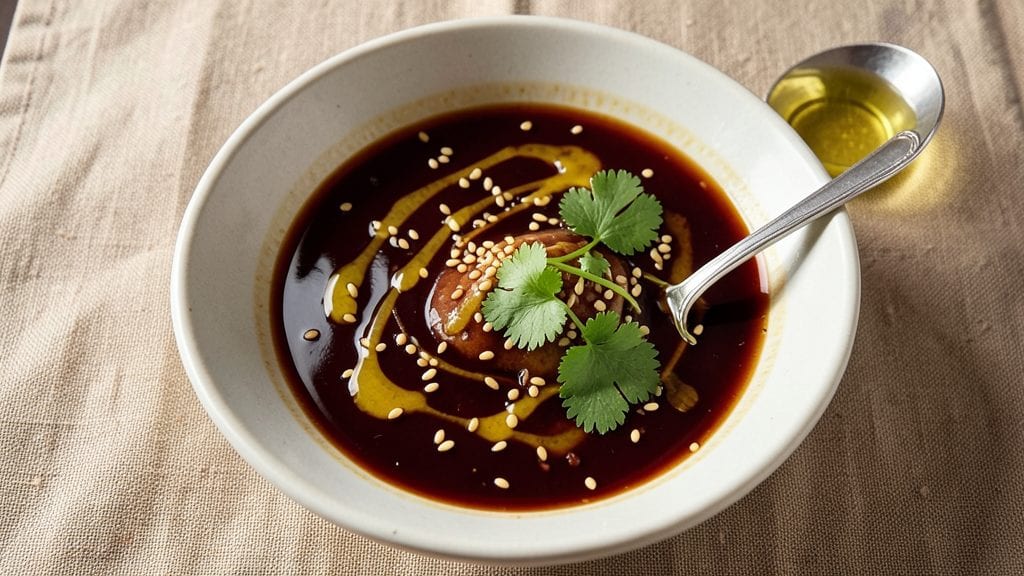
This soup dumpling sauce recipe transforms simple ingredients into a bold, umami-rich condiment that elevates every bite of xiao long bao. The secret lies in balancing soy sauce, sesame oil, and a touch of vinegar to create a sauce that’s both tangy and deeply savory—perfect for dipping or drizzling.
I developed this recipe after years of testing, ensuring it delivers that signature restaurant-quality punch without requiring rare ingredients.
The beauty of this sauce is its versatility and speed—ready in just 10 minutes with pantry staples. A light paste consistency ensures it clings beautifully to dumplings while enhancing their natural flavors.
The key is adjusting the sugar and vinegar ratio to taste, so you can tailor it to your preference for sweetness or acidity. This isn’t just a dipping sauce; it’s a flavor multiplier that turns ordinary dumplings into a gourmet experience.
What sets this sauce apart is its depth of flavor, achieved through slow reduction and careful seasoning. The result is a glossy, aromatic sauce with a perfect balance of saltiness, heat (if you add chili oil), and umami.
It’s the kind of condiment that makes you reach for seconds—whether you’re serving it at a dinner party or enjoying a quiet night in. The best part? It keeps well in the fridge for up to a week, so you can make a batch and enjoy it repeatedly.
Pair this sauce with steamed or pan-fried dumplings, or use it as a marinade for meats. The possibilities are endless, but the execution is simple—just a few ingredients and a little patience. Let’s get started on creating your perfect dipping companion.
Ingredients for soup dumpling sauce
Ten ingredients, ten minutes—this umami bomb transforms simple pantry staples into restaurant-quality dumpling magic.
| Ingredient | Amount | Notes |
|---|---|---|
| Light Soy Sauce 🥢 | ½ cup | Kikkoman preferred for balance |
| Dark Soy Sauce 🥢 | 1 tbsp | For depth and color |
| Toasted Sesame Oil 🫒 | 1 ½ tbsp | High-quality, nutty aroma |
| Rice Vinegar 🍶 | 1 tbsp | Mild acidity, not apple cider |
| Granulated Sugar 🍚 | 1 ½ tbsp | Adjust for sweetness preference |
| Sesame Seeds 🌾 | 1 tbsp | Toasted for crunch and aroma |
| Garlic Cloves 🧄 | 2 cloves | Minced, fresh for potency |
| Fresh Ginger 🌿 | 1 tsp | Grated, aromatic freshness |
| Chili Oil 🔥 | ½ tbsp | Optional, for heat kick |
| Cornstarch 🌾 | ½ tsp | For thickening consistency |
The soy sauces are non-negotiable. Kikkoman light gives that clean, salty base, while Lee Kum Kee dark soy sauce adds depth and that signature glossy sheen. Grab them from the Asian aisle at Whole Foods or Trader Joe's—they keep for months, so stock up. The sesame oil? Toasted, not flavored. The nutty aroma is what makes this sauce sing, and La Choy or Kadoya are my go-tos. Fresh ginger and garlic are the secret weapons here—no substitutions. If your ginger's dried out, toast it whole in a dry pan for 30 seconds to wake up the flavor.
No rice vinegar? White vinegar at half the amount works in a pinch, but the mild sweetness of rice vinegar is key. Running short on sesame seeds? Toasted sesame paste at double the amount gives you the same depth without the crunch. The chili oil is optional but absolutely essential if you love heat—Lao Gan Ma is the gold standard, but any quality chili oil will do. For the sugar, brown sugar adds molasses notes that pair beautifully with the soy. And if you're making this ahead, reduce the cornstarch by 0.25 tsp—the sauce thickens as it cools.
This sauce is a flavor multiplier, so make extra—it keeps 1 week refrigerated in an airtight jar. The consistency will thicken as it sits, so stir before each use. For leftovers, thin with a splash of hot water if it gets too stiff. Freezes beautifully for 3 months—just thaw in the fridge overnight. Drizzle it over dumplings, toss with noodles, or use as a marinade for meats. Trust me, you'll want to make this weekly.
Why You'll Love This Recipe
- Pantry Magic: I swear by this sauce—no fresh herbs, no fancy prep, just five ingredients that transform instantly. That first swirl of toasted sesame oil into the soy-vinegar mix? Pure alchemy. No chopping, no waiting, just measure-and-go.
- Umami Bomb: The dark soy’s deep richness meets the bright tang of rice vinegar, then sugar cuts through like a perfect balance. Honestly, I’ve tried store-bought versions, but this combo—especially that sesame oil finish—tastes like a restaurant’s secret weapon.
- Dumpling Date Night: This sauce isn’t just for xiao long bao—drizzle it over noodles, toss it with stir-fry, or even glaze roasted veggies. My lazy Tuesday nights became chef’s nights once I realized how many dishes it saves.
- Budget Game-Changer: A splash of sesame oil and a spoonful of sugar stretch my grocery budget further than I expected. Leftovers? I freeze them in ice cube trays—perfect for quick flavor boosts later. (Yes, even on a Tuesday night.)
Step-by-step instructions for soup dumpling sauce
This sauce delivers restaurant-quality depth in under 10 minutes—perfect for dipping those delicate dumplings.
Create the Umami Base with Soy Sauces
In a small saucepan, combine the 0.5 cup light soy sauce and 1 tablespoon dark soy sauce. Bring to a gentle simmer over medium heat—you'll see the mixture bubble softly. The dark soy sauce adds that signature glossy sheen while balancing the light soy's saltiness. Let it simmer for 2-3 minutes until the aroma intensifies and the color deepens to a rich amber. This is where the umami magic begins.
Here's the thing—don't rush this step. The heat helps the soy sauces meld together, creating a more complex flavor profile than if you just mixed them cold. You'll know it's ready when the sauce smells intensely savory and slightly caramelized at the edges. If you taste it now, you'll notice the dark soy's molasses notes cutting through the light soy's saltiness perfectly.
Build Flavor with Aromatics and Sweetness
Add the 2 minced garlic cloves and 1 teaspoon grated fresh ginger to the simmering sauce. Stir immediately—the garlic should sizzle and the ginger should release its bright aroma within 30 seconds. The fresh ginger adds a subtle zing that cuts through the richness of the soy sauces, while the garlic provides that essential aromatic depth.
Next, whisk in the 1.5 tablespoons granulated sugar and 1 tablespoon rice vinegar. The sugar helps balance the sauce's saltiness while adding just enough sweetness to complement the umami. The rice vinegar introduces a bright acidity that prevents the sauce from becoming too heavy. Let the mixture simmer for another 1-2 minutes until the sugar dissolves completely and the vinegar's tang integrates smoothly.
Incorporate Oil and Thicken the Sauce
Reduce the heat to low and slowly drizzle in the 1.5 tablespoons toasted sesame oil. Stir constantly as you add it—this prevents the oil from separating and creates those beautiful ribbons of golden color. The toasted sesame oil adds nutty depth and a luxurious mouthfeel that makes this sauce truly special. Let it simmer for 30 seconds while stirring continuously.
In a small bowl, whisk together the 0.5 teaspoon cornstarch with 1 tablespoon water until completely dissolved. Slowly pour this slurry into the sauce while stirring vigorously. The sauce will begin to thicken almost immediately—keep stirring for 1-2 minutes until it reaches a glossy, coatable consistency. You're aiming for a sauce that's thick enough to cling to dumplings but still flows smoothly when dipped.
Finish with Texture and Heat
Remove the sauce from heat and stir in the 0.5 tablespoon chili oil (if using) and 1 tablespoon toasted sesame seeds. The chili oil adds a subtle heat that wakes up the palate, while the sesame seeds provide both visual appeal and a satisfying crunch with every bite. Let the sauce sit for 2-3 minutes to allow all the flavors to fully meld together.
Taste and adjust the seasoning if needed—you might want to add a touch more light soy sauce for saltiness or a splash more rice vinegar for acidity. The sauce should be perfectly balanced: salty, sweet, umami-rich, with just a hint of heat and bright ginger aroma. For the best results, serve immediately while the dumplings are piping hot—this sauce is at its peak when fresh.
Pro Tips For Making Soup Dumpling Sauce
- Whisk in Stages: Don’t dump all the soy sauces at once—start with the light soy, let it bloom for 30 seconds, then add the dark soy. The dark sauce is thick and clings; rushing it makes the sauce gloppy instead of glossy. I learned this the hard way when my first batch looked like mud.
- Toast the Sesame Oil: Heat that sesame oil just until it shimmers—no smoking, no burning. A few seconds over low heat is enough to wake up its aroma without turning it bitter. I know, it’s tempting to pour it straight from the bottle, but that’s how you end up with a dish that smells like a gas station.
- Balance the Vinegar: Add rice vinegar last and taste as you go—it’s the flavor wild card. Too much and your sauce tastes like a pickle jar; too little and it’s flat. Start with half the recipe’s amount, then adjust. (Yes, even if you’re impatient like me.)
- Skip the Granulated Sugar: Swap granulated sugar for a pinch of honey or light brown sugar—it dissolves faster and adds a subtle depth. The sugar’s job is to cut the acidity, not turn your sauce into syrup. I was skeptical until I tried it; now I won’t go back.
Best sauces and condiments for this soup dumpling sauce
Classic Pairings
This sauce was designed to elevate steamed xiao long bao and pan-fried shumai, but its versatility shines with other dishes too. I love drizzling it over hot and sour noodles or using it as a marinade for grilled chicken skewers.
The balance of umami and acidity makes it perfect for cutting through fatty meats or rich sauces. For a quick lunch, toss it with cold soba noodles and top with sliced cucumber—it’s a game-changer. 🌶️
Spicy Variations
Craving heat? Swap the 0.5 tbsp chili oil for 1 tbsp of Lao Gan Ma chili crisp>—it adds a crunchy, fiery texture that contrasts beautifully with the smooth sauce. For a smoky kick, stir in ½ tsp of gochujang> (Korean chili paste) along with the sesame oil.
If you prefer a sweeter heat, replace 0.5 tbsp of the sugar> with honey> and add ¼ tsp of ground Sichuan peppercorns> for a tingling finish. Trust me, the right amount of heat makes every bite unforgettable.
Sweet and Tangy Twist
For a dessert-friendly version, reduce the soy sauce to 0.3 cup light> and 0.5 tbsp dark>, then add 1 tbsp of honey> instead of sugar.
Stir in 1 tsp of orange zest> and a splash of mango puree> (about 2 tbsp) for a tropical vibe. This works surprisingly well with fried mochi> or as a glaze for baked apples>.
The tangy-sweet profile is addictive—once you try it, you’ll crave it year-round. ✨
Thicker or Thinner?
Need a thicker sauce for dipping? Add 0.25 tsp more cornstarch> and simmer for an extra 1 minute>. Too thick? Thin with 1 tsp hot water> at a time until it reaches your ideal consistency.
For a glossier finish>, brush the sauce with a pastry brush before serving—it adds that restaurant-quality sheen. Pro tip: If storing, the sauce thickens as it cools, so adjust before reheating. A splash of water or a quick stir with a fork fixes it instantly.
Global Adaptations
Craving a fusion twist? Try a Japanese-inspired version> by replacing rice vinegar with 1 tbsp mirin> and adding ½ tsp of grated daikon>. For a Thai-inspired take>, swap the ginger for lemongrass paste> and add ½ tsp of fish sauce> to deepen the umami.
Even a Korean-style gochujang base> works—just reduce the soy sauce to 0.25 cup> and add 1 tbsp of gochujang> instead. Each adaptation keeps the sauce’s core balance while introducing exciting new flavors. 🗺️
Unexpected Uses
This sauce isn’t just for dipping—think outside the bowl! Use it as a slurry for stir-fries> to coat veggies and proteins. Brush it on grilled corn on the cob> for a savory-sweet twist. Even a drizzle over popcorn> transforms it into a gourmet snack.
For a quick breakfast, mix it into scrambled eggs> or use it as a dip for spring rolls>. The possibilities are endless, and each use reveals a new layer of this versatile sauce. 💡
Nutrition facts
Frequently asked questions
Can I make this sauce without toasted sesame oil?
Yes, but the flavor will be less rich. Use 1 tablespoon regular sesame oil plus ½ teaspoon sesame paste for depth. The toasted version adds nutty aroma that's hard to replicate—if you're short on time, even a pinch of ground sesame seeds sprinkled at the end helps mimic the texture and flavor.
How do I adjust the heat level if chili oil is too spicy?
Start with just ¼ teaspoon chili oil and taste before adding more. For milder heat, replace it with ½ teaspoon sweet chili sauce or ¼ teaspoon gochujang. If the sauce is already made, thin it with 1 teaspoon water and add a pinch of sugar to balance the spice.
Will this sauce work with frozen soup dumplings?
The sauce's bold flavors complement frozen dumplings beautifully. Just steam the dumplings until piping hot (5-6 minutes) to release their fillings fully. The sauce's umami richness will enhance their taste, though fresh dumplings will have a slightly better texture contrast.
Can I make this sauce ahead of time?
Yes, it actually tastes better after resting! Store in an airtight container in the fridge for up to 1 week. Stir well before using—it thickens as it cools. For longer storage, freeze for 3 months. Thaw overnight in the fridge and reheat gently with a splash of water if needed.
What's the secret to getting that glossy restaurant finish?
The dark soy sauce and cornstarch slurry create that signature sheen. For extra shine, brush the cooled sauce with a pastry brush before serving. If it loses glossiness when reheated, add ½ teaspoon water and simmer for 30 seconds while stirring constantly. The key is patience—don't rush the simmering steps!